What tolerance in production means
Sep 12, 2026
Short answer: Tolerance is the deviation the factory accepts on a measurement. On clothing it is typically one to two centimetres, which is why two identical pieces can measure differently. For you it means the size guide is a guide and not an exact answer.
No production hits exactly
Clothes are cut and sewn by people and machines in large numbers. Fabric stretches a little during cutting, seams pull slightly differently, and that gives small differences from piece to piece. So every maker works with a tolerance, a span where a measurement may sit a little above or below the drawing. See bamboo hoodie for women.
One to two centimetres is normal
On clothing the tolerance is typically one to two centimetres on each measurement. On a chest width of a hundred centimetres, two centimetres is two percent. It sounds like a lot written down, but on the body it is a small difference. On knit fabrics that give, most people do not notice it at all.
Where tolerance comes from
Knit fabric is soft and gives when it is laid out and cut. A fabric lying slightly stretched on the table draws in a little when it is lifted. When the seams are sewn afterwards, they can pull a bit more on one piece than another. The sum of these small movements is the deviation the tolerance covers.
Why the guide should not be read too closely
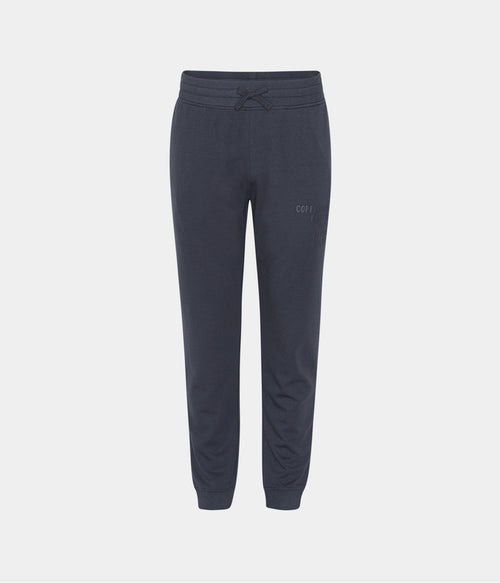
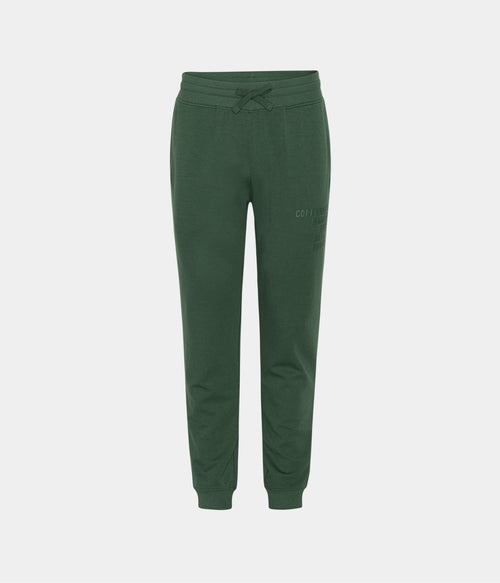
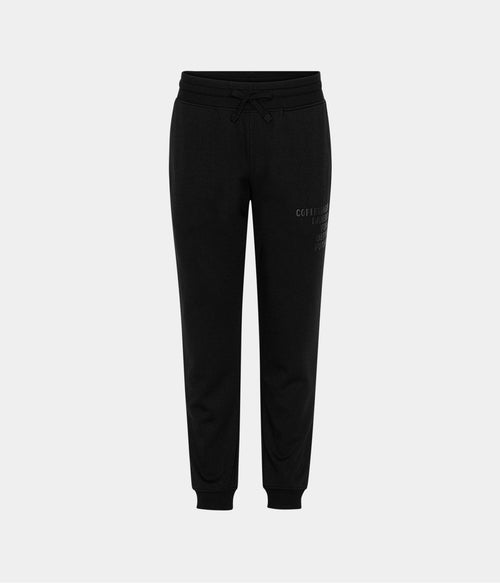
The size guide shows the measurements the garment is drawn to. The actual piece can be a centimetre or two off. If you are a centimetre from a boundary, that is within tolerance and it can go either way. Use the guide to find the right range and let fabric and fit decide the rest. See bamboo sweatpants for women.
What you can use instead
If you own a piece that fits well, it is often the best point of comparison. Measure it lying flat and compare with the guide. You will see which size is closest to what you already like. Compare with similar fabrics, as a fabric with stretch behaves differently from a firm one.
A set matters more than single measurements
When pieces belong together, like trousers and top in a set, each part can sit at a different end of the tolerance. That is quite normal and does not mean anything is wrong with the set. Choose the size by the part where fit matters most to you, usually the trousers. See bamboo joggers for women.
Tolerance is not a fault
A deviation of one to two centimetres is within the normal range in clothing production and is not seen as a fault. Only when a measurement is clearly outside the span is there a problem. If you are unsure about a piece you have received, you can always contact customer service and have it checked.
Washing changes measurements too
On top of tolerance, measurements can change slightly in the first wash as the fibres relax. That adds to the deviation from the start. So it makes sense to wait until the piece has been washed once before measuring, if you want to see how it fits day to day.
Frequently asked questions
What does tolerance mean
The deviation the factory accepts on a measurement. On clothing it is typically one to two centimetres on each measurement, and it applies to every maker.
Why can two identical pieces measure differently
Because the fabric stretches a little differently when it is cut, and seams pull slightly differently. That gives small deviations within the tolerance.
What does it mean for choosing a size
That you should not read the guide too closely. If you are a centimetre from a boundary it can go either way, so let fabric and fit decide.