When an expensive item becomes cheap
Sep 20, 2026
Short answer: An expensive item becomes cheap when it is worn every week for several years. The price per wear drops quickly, and after two years it is often the cheapest thing in the wardrobe. That only works if it lasts, fits and feels good enough to be chosen again.
The maths turns after a year
An item for four hundred kroner worn twice a week for three years has been worn over three hundred times. That is just over one krone per wear. After the first year alone, the price per wear is down to about four kroner. The same applies to a bamboo slip, which works under many dresses all year.
Quality extends the time
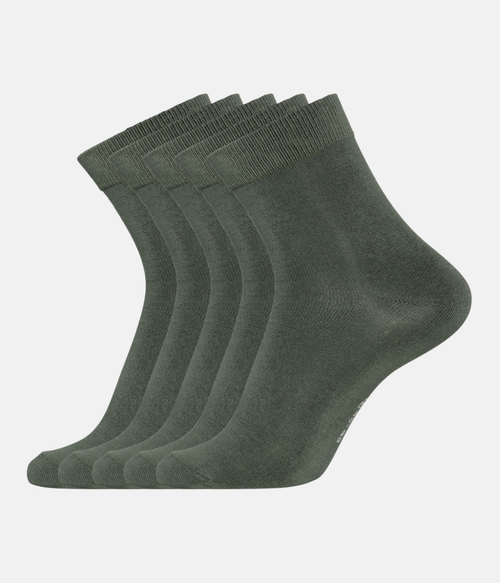
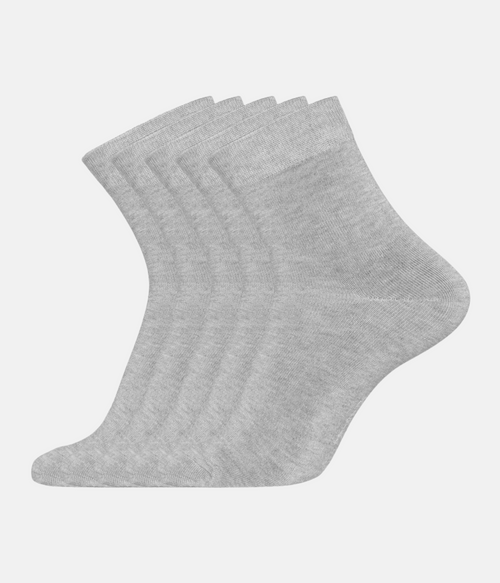
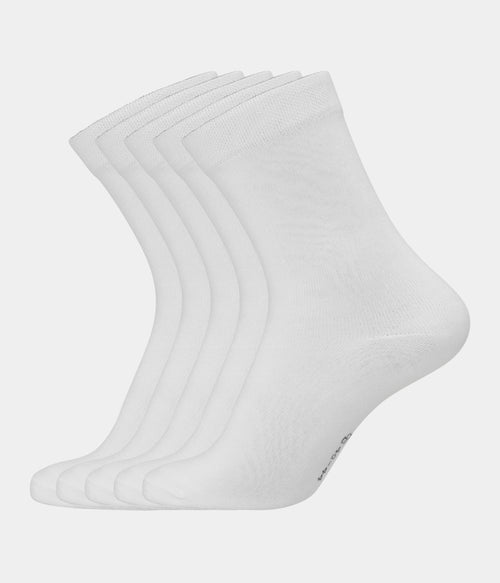
Better seams, a denser knit and more elastane mean more years before the item is worn out. These details separate a piece that keeps its shape from one that goes loose after a few months. This is especially true of bamboo socks for men and women, where heel and toe wear fastest.
Comfort means it actually gets worn
An item that feels good is chosen again and again, and that is what keeps the price per wear low. If it is soft, fits well and does not bother you during the day, you put it on without thinking. See what gets worn most in the most popular styles for women.
Frequent use is the key
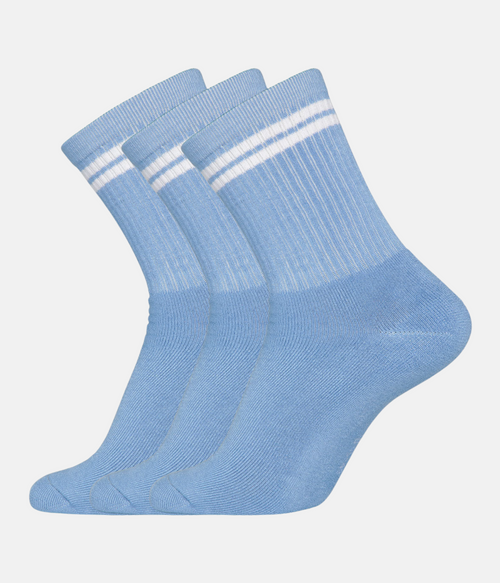
An expensive item left hanging in the wardrobe never becomes cheap. Wearing it is what makes the maths work. That is why it makes most sense to pay more for things you wear several times a week, such as underwear, socks and a soft basic top. For party clothes, lowering the price per wear is much harder.
Care keeps the price down
The low price per wear only comes if the item lasts. Wash at a low temperature, turn clothes inside out and dry them on a hanger or rack rather than in the tumble dryer. Skip fabric softener, which can make the fabric heavier over time. A little care at the washing machine can add years, and every extra year lowers the cost.
Expensive is not always better
A high price is not the same as high quality. The price also covers brand, shop and marketing, and two items in the same material can cost very different amounts. Look at the item itself, not just the figure. Ask an expensive item the same questions as a cheap one: will it last, does it fit, will you wear it.
How to judge whether it is worth it
Look at fibre content, weight and seam type rather than price alone. Feel whether the fabric is dense and even, and stretch it gently to see if it returns to shape. Check that the seams are flat and straight. Ask how often you will realistically wear it and how many years you expect it to last.
Build the wardrobe over time
You do not need to replace everything at once to benefit from the maths. Start with what you wear most and replace it with pieces that last longer. Over a few years the wardrobe fills with clothes that feel good and cost little per wear. That brings calm to the budget and fewer impulse buys along the way.
Frequently asked questions
When does an expensive item pay for itself
Usually after one to two years of weekly use. The more often it is worn, the faster the price per wear falls below the cheap option.
Is expensive always better
No, the price also covers brand and marketing. Look at material, fit and stitching rather than just the figure on the tag.
How do you know if it is worth paying for
Look at fibre content, weight and seam type rather than price alone, and consider how often you will realistically wear the item.