When a cheap item becomes expensive
Sep 20, 2026
Short answer: A cheap item becomes expensive when it does not last, does not fit or does not get worn. The price per wear then ends up higher than for a pricier item worn a hundred times. The real question is not what it costs, but how often you will put it on.
Price per wear is the number that matters
The price tag only tells you what you pay today. The number that says something about value is the price divided by how many times you actually wear the item. A top for two hundred kroner worn four times costs fifty kroner per wear. One for three hundred kroner worn a hundred times costs three. The first looked cheaper, but it was not.
Short lifespan is the usual reason
An item for one hundred kroner that lasts half a year costs more per wear than one for three hundred that lasts three years. You keep buying the cheap one again, and each time you spend both money and time finding a replacement. This applies to bamboo undershirts for men, which sit close to the body and are washed often.
Poor fit means zero wear
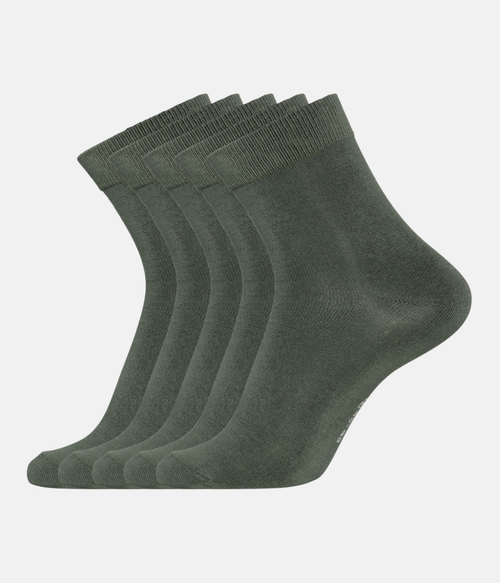
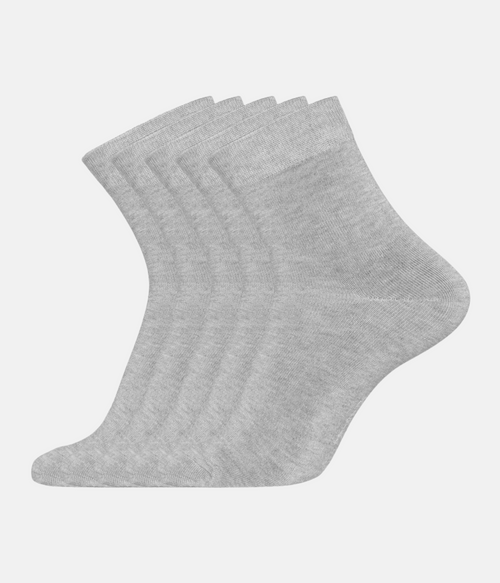
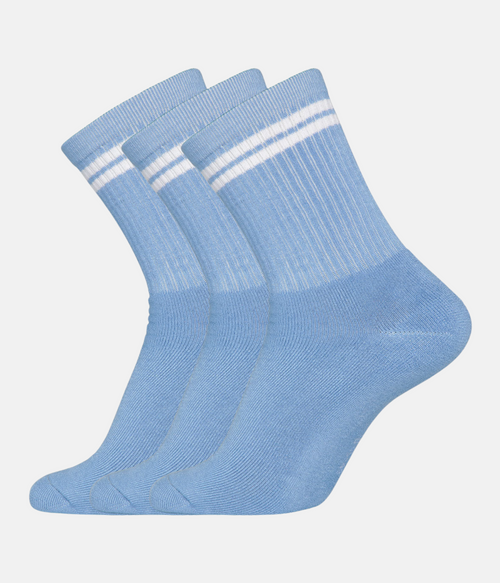
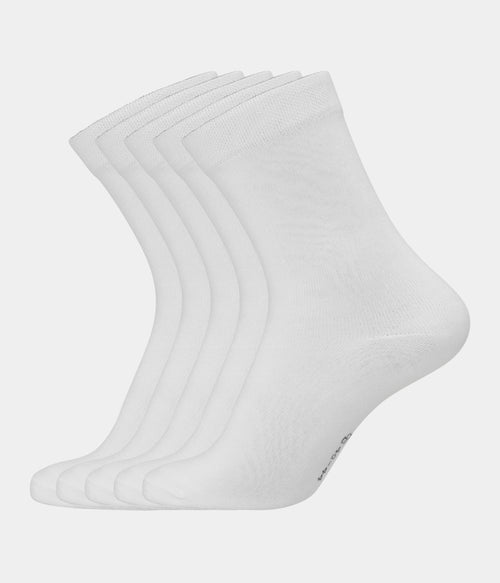
If an item does not fit, it ends up at the back of the wardrobe, however little it cost. A top that pulls across the shoulders or socks that slide down into the shoe get skipped every morning. The price per wear is then practically endless. Measure before you buy and check the size guide, also for bamboo socks for men and women.
Comfort decides whether it gets worn
An item that itches, pinches or feels warm and clammy gets left behind, even when it fits. Most people reach for the clothes that feel good and ignore the rest. Comfort is therefore not a luxury but part of the calculation. See what others choose again and again in the most popular styles for men.
Washing and care extend the life
Even a good item becomes expensive if it is washed the wrong way. Wash at a low temperature, turn clothes inside out and skip the tumble dryer when you can. This protects the fibres and keeps the shape. Leave out fabric softener, which can make the fabric less breathable over time. Small habits add years at no cost.
When cheap is good enough
There are times when the cheap item is the right choice. Clothes for gardening, painting or moving house get ruined anyway, so paying for a long lifespan makes little sense. The same goes for something you only need once. For what you wear every week, the maths is different, and quality usually pays for itself over time.
How to judge lifespan in advance
You cannot see lifespan directly, but there are signs. Look at the fibre content and how much elastane is included. Feel the weight of the fabric and check that the seams are straight and tight. Hold it up to the light, since a dense knit usually lasts longer than a loose one. None of this is a guarantee, but together it helps.
A simple sum before you buy
Ask yourself how many times a week you will wear the item and how many years you expect it to last. Multiply the two numbers and divide the price by the result. It takes half a minute and removes a lot of doubt. Often the more expensive option turns out to be the cheapest when it is worn often.
Frequently asked questions
How do you calculate price per wear
Divide the price by the number of times the item has been worn. The more often you wear it, the lower the price per wear becomes.
When is cheap good enough
For rare use and for things that will get ruined anyway, such as clothes for gardening or painting. A long lifespan does not pay off there.
Can you tell the lifespan in advance
Partly, through fibre content, weight and seam type. A dense knit and straight seams are good signs, but no guarantee of how long it lasts.