When the seam comes undone, what to do
Sep 20, 2026
Short answer: Sew from the inside with small stitches, and start two centimetres into the part of the seam that still holds. That way there is no weak join between old and new seam, and the repair lasts as long as the rest.
Start inside what still holds
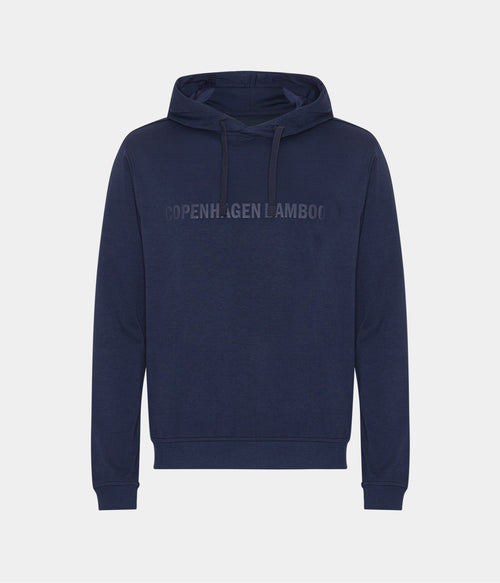
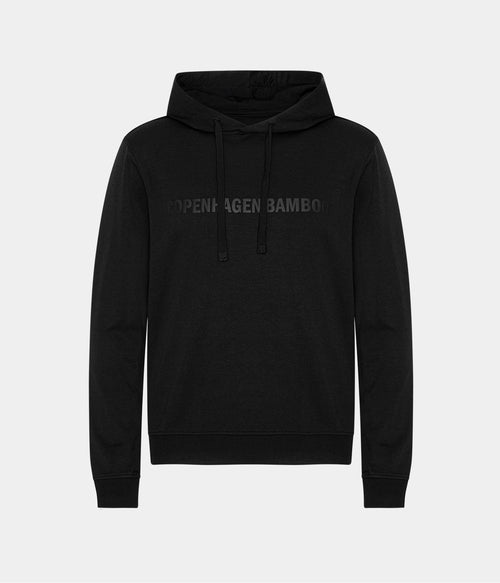
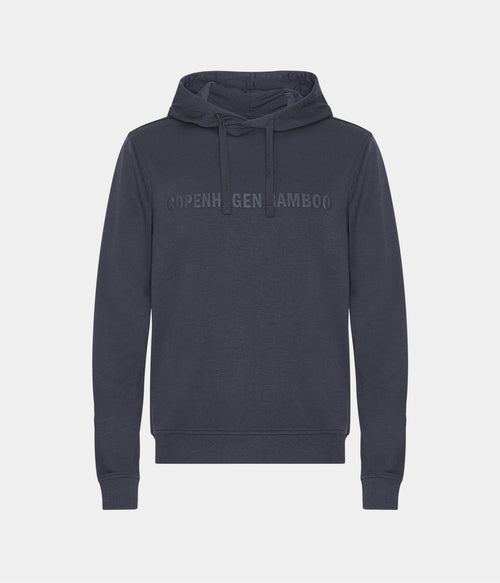
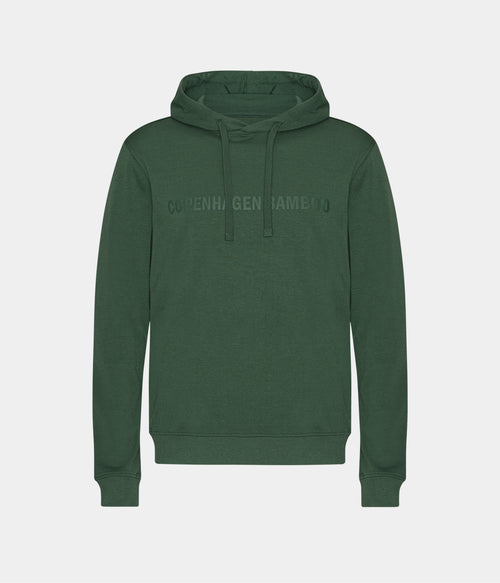
If you start exactly where the seam opened, the join becomes the weakest point, and the seam easily opens again in the same place. Sew a few centimetres into the old seam first, then continue over the open part. This also applies to a bamboo sweatshirt for women, where side seams are pulled when you lift your arms.
Choose the right needle and thread
A thin needle and sewing thread in the colour of the seam are all you need. Polyester thread is a good choice, as it is strong and has a little stretch. Cut a piece of about half a metre so the thread does not tangle while you sew. Longer thread wears as you work and becomes weaker.
Use stretchy stitches on knitwear
A straight stitch snaps when the knit stretches, while a zigzag or a backstitch moves with the fabric. By hand, the backstitch is the most durable choice, because each stitch overlaps the one before. This applies to all knitwear in the most popular for women, where the fabric must give as you move.
How to sew a backstitch
Bring the needle up through the fabric, take a small stitch backwards and come up again a little ahead of the first. Repeat so the stitches sit close in a line with no gaps. Keep them at two to three millimetres. Small stitches hold better, show less and stretch with the fabric instead of snapping.
Secure both ends
Three stitches on top of each other at each end stop the seam from opening again. Also finish two centimetres into the intact seam at the other end, so both joins are strong. This applies to a bamboo hoodie for women too, where pockets and armholes often take the most strain in daily use.
Check the rest of the seam
When a seam has opened in one place, the thread may be weak elsewhere too. Pull gently along the whole seam and look for loose stitches. It is easier to reinforce a few centimetres now than to resew a long seam later, once it has opened in several places.
Take care when washing and drying
A fresh repair benefits from a gentle wash. Turn the garment inside out and avoid wringing it hard. Let it dry on a hanger or flat. Strong pulling while wet strains seams the most, so calm handling in the first few washes gives the repair the best chance to last.
When it is a job for a tailor
If the fabric itself has torn beside the seam, or the seam has several layers, it can be hard to do neatly by hand. A tailor can reinforce the fabric and sew by machine so the result holds. An ordinary side seam or sleeve seam you can usually manage yourself.
Frequently asked questions
How long does it take
About fifteen minutes for a ten centimetre side seam. The first time takes a little longer, but it goes quickly once you have tried it.
Do you need a sewing machine
No, hand stitches hold well if they are small and close. A machine is faster but not needed for a short seam.
Why did the seam open
Most often because the thread end was not secured properly in production. It can also happen when the seam has been pulled hard.