When to go up a size
Sep 12, 2026
Short answer: You go up a size in three cases. When the fabric has no stretch, when the cut is slim fit, and when you want room for a layer underneath. In other cases your usual size is normally the right choice.
No stretch in the fabric
A fabric without elastane has no margin, and a garment that is too small never becomes comfortable. The fabric does not give when you move, so all the room has to be there from the start. If you are close to the line between two sizes, the larger one is the safe choice. Fit also matters for close pieces like a bamboo bra.
With slim fit
A close cut already takes room out at the sides. It is made to follow the body, and there is less room to move than in a regular cut. If you like a little space or sit at the upper end of your size, going up can make sense. Check the measurements in the guide, for example for bamboo T-shirts for women.
When you need room for a layer underneath
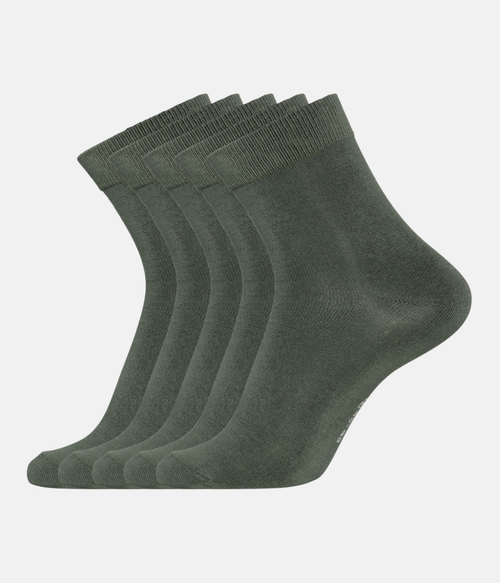
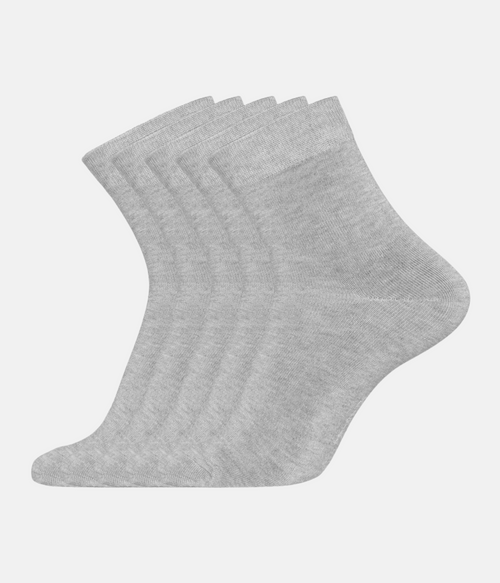
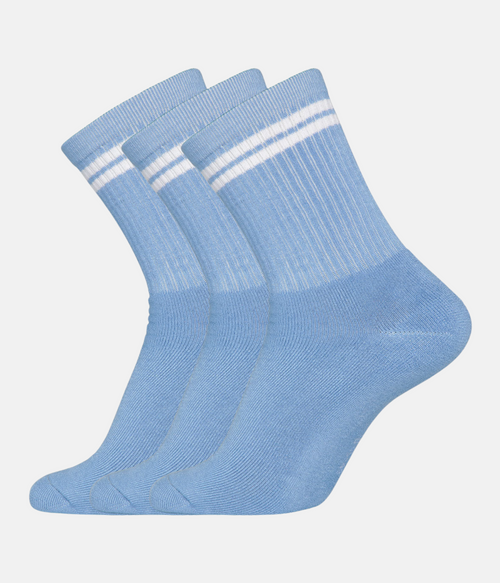
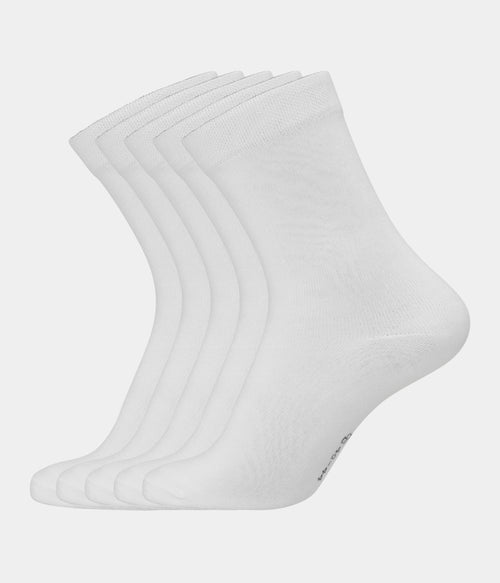
If the garment will be worn over another layer, it needs extra room. A jumper meant to go over a shirt or a T-shirt quickly gets tight in the sleeves and across the shoulders. Think about how you will wear it most often. For small items like bamboo socks for women, shoe size decides, not layers.
Read the fabric content
If you are unsure, read the fabric content. If there is elastane in it, you can usually stay in your normal size, because the fabric gives. If there is not, go up. It is one of the most reliable signs of how a garment will fit, and it is almost always in the description.
Not with oversize
An oversized cut is already made larger, and going up a size makes the sleeves too long and the shoulders too wide. The loose fit is part of the design and is meant to be worn in your normal size. Go up, and the garment loses the shape it was made for.
Think about length
Going up a size does not only add width. The garment usually becomes longer too, in the body and in the sleeves. That can work in a jumper, but in a piece that is already long, it may be too much. Check both width and length in the guide before choosing the larger size.
The shoulders set the limit
Shoulder width is hard to change, and it is often where the wrong size shows first. If you go up, the shoulder seam sits further out on the arm. That is fine in a relaxed cut, but in a more classic cut it can look loose. Compare the shoulder width with a garment you like.
Measure before you decide
The safest way to choose is to measure. Measure yourself or a garment that fits well and hold the numbers against the guide. You will see straight away whether your normal size has enough room or whether going up is wise. It takes a few minutes and saves you an exchange.
Frequently asked questions
When should you go up a size
When the fabric has no stretch, when the cut is slim fit, or when you need room for a layer underneath. Otherwise your normal size usually fits.
Should you go up with oversize
No. An oversized cut is already made larger, and going up a size makes the sleeves too long and the shoulders too wide.
What if you are unsure
Read the fabric content. If it contains elastane, you can stay in your normal size. If it does not, go up, because the fabric will not give.