When you have different laundry rhythms
Sep 12, 2026
Short answer: Two different rhythms mean half empty machines. Either agree on a shared day, or let whoever fills a machine first take both people's clothes in that load. Both approaches work, so pick the one that suits your week best.
Half empty loads cost the most
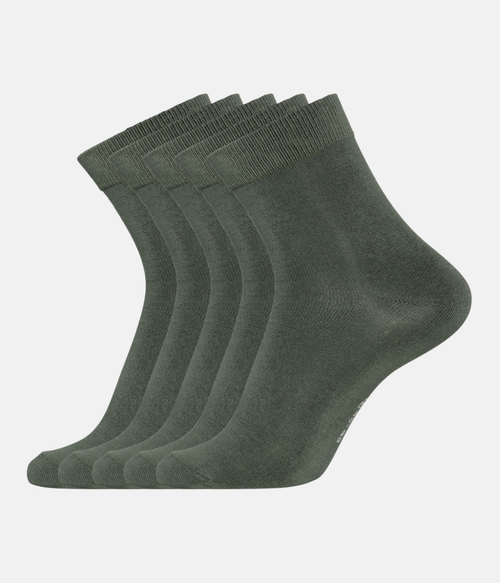
Two half loads use almost twice as much water and power as one full load. When each person washes their own clothes whenever it suits, the machine often runs with a few T-shirts and some underwear. It feels efficient for the individual, but over a month the extra runs add up. See bamboo tank top for men.
A shared day solves it simply
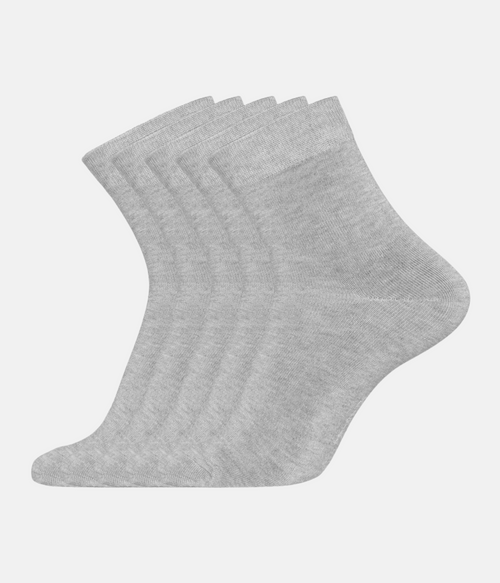
A fixed day needs no coordination along the way. Both know the laundry has to be in the basket before that day and that the machine will run full. Choose a day when you are both usually at home, so someone is there to hang up and put away afterwards. See the men's range.
Or wash both when the basket is full
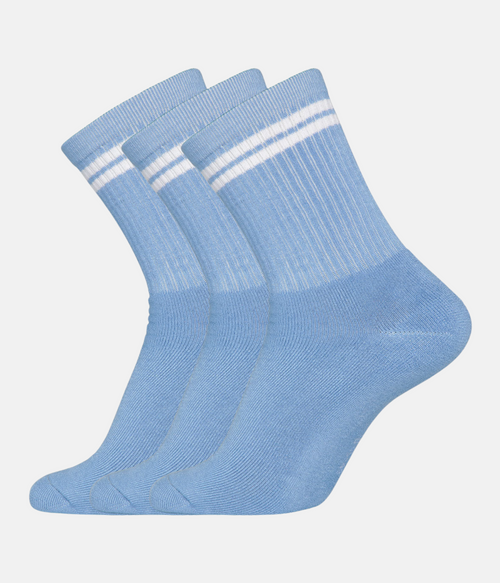
Whoever starts the machine takes everything. If a fixed day does not fit your week, the next best option is to let the basket decide. When there is enough for a full load, it runs with both people's clothes, no matter whose turn it is. It only needs both to use the same basket. See men's most popular.
Sort by colour, not by person
When two people wash separately, clothes are often sorted by who owns them. That gives small loads with mixed colours. Sort by lights and darks instead, so each load is bigger and more even. Who owns what can be sorted out when the laundry is folded.
What needs washing on its own
Some items need a different programme, such as a particular temperature or a gentle cycle. Put them in a small basket of their own, and run them when there is enough for a load. There is no need to run a special wash for every single piece, as long as it can wait a few days.
When one of you is busy
In periods of heavy work or travel, a shared rhythm is hard to keep. That is when the rule of taking both people's clothes is most useful. Whoever is at home runs the machine, and the other comes home to clean clothes. It evens out over time and needs no bookkeeping.
Watch what piles up
If the basket is always full, the rhythm is too slow. If it is nearly empty when the machine runs, the rhythm is too fast. Use the basket as your guide for a month or two, and adjust the days to match. Then you find a rhythm that fits the amount of laundry you actually have.
Clothes that wash well together
The more of your clothes that suit the same programme, the easier it is to wash together. Soft basics that can be washed at the same temperature fit well into a shared load. Clothes with special needs fall out and end up running alone. Keep that in mind next time you buy something new.
Frequently asked questions
What is the problem with two laundry rhythms
Half empty machines. Two half loads use almost twice as much water and power as one full load does, and more clothes sit waiting in the basket.
What is the simplest solution
A shared laundry day. It needs no coordination along the way and makes sure the machine is always full when it runs, because both people's clothes are in it.
What if a shared day does not fit
Then whoever fills a machine first takes both people's clothes. It gives full loads without a fixed day and only needs a shared basket.