Why bamboo sweat feels lighter
Sep 12, 2026
Short answer: Because the fibre is fine and smooth, and because the fabric drapes down the body instead of standing out. At the same thickness, bamboo viscose sweat weighs less than classic cotton sweat, and you notice it as soon as you put the top on.
Fine fibre, less weight
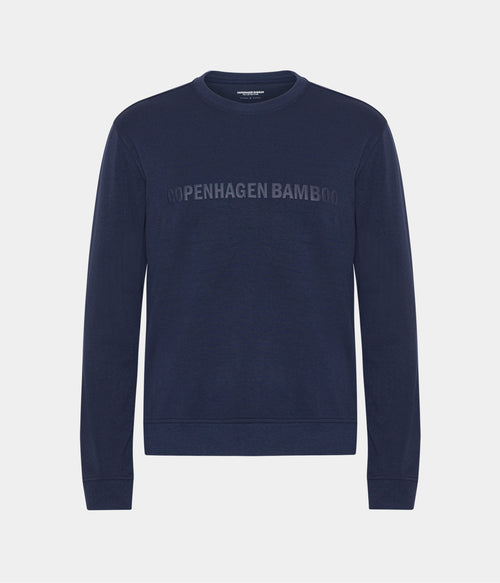
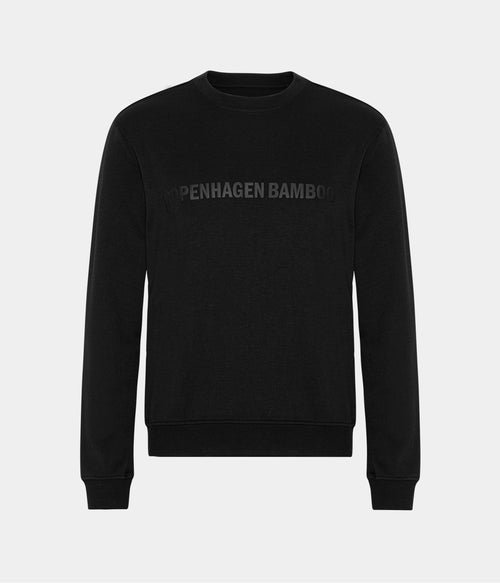
Bamboo viscose is spun into a finer yarn than ordinary cotton. With a thinner yarn, less material is needed to knit a fabric of the same thickness, so the weight drops. You feel it most on the shoulders, where a heavy top pulls down all day. See the styles in bamboo sweat for men and women.
The drape does the rest
A fabric that hangs down rather than standing out feels lighter on the body, even when the weight is the same. Classic cotton sweat is stiff and holds its own shape, while bamboo viscose follows the body and settles calmly. See how the drape looks in practice in bamboo hoodie women.
A smooth surface against the skin
The fibre is smooth, so the fabric glides easily over the skin and over the layer beneath. When you move your arms, it does not catch on your T-shirt, and the sleeves do not ride up. Many people read this as lightness, although it is really about friction rather than weight.
Less weight means less warmth
A lighter sweat fabric also keeps you a little less warm than a heavy one. Indoors and in spring and autumn this is an advantage, since a thick cotton top quickly gets too warm. In winter you will need one more layer on top. The light styles in bamboo sweatshirt men work well as a mid layer.
How to use light sweat
Treat light sweat as the layer you take on and off during the day. It takes up little room in a bag and hardly creases after being folded. Indoors it can replace a knitted jumper, and on a cool morning it sits well under a jacket. Think in layers rather than one thick top.
Washing and weight
A light fabric dries faster than a heavy one, because there is less material holding water. Wash at a low temperature and hang the top to dry, so the fabric keeps its drape. A tumble dryer can stiffen the fibres and pull the fabric in. Lay it flat or use a hanger between wears.
Thickness is not the same as weight
When comparing two sweatshirts, it is tempting to look at thickness alone. Yet two fabrics can be equally thick and still weigh differently, because the yarn and the knit differ. Feel the fabric, lift the top and notice how it falls. That tells you more about how it wears than thickness does.
Who light sweat suits
Light sweat suits you if you feel the cold a little but quickly overheat in a thick jumper. It also suits you if you wear sweat all day, since the weight is less tiring. If you mainly need maximum warmth, a heavy fabric is better. For changeable days, light sweat gives you more freedom.
Frequently asked questions
Is light sweat less durable
Not necessarily. Durability depends more on how tightly the fabric is knitted than on its weight, so a light fabric can last well if it is densely knitted and washed gently.
Can you feel the difference in weight
Yes, clearly, if you hold two sweatshirts side by side. When wearing them, you notice it most on the shoulders and in how the fabric follows your movements.
What does a sweat fabric usually weigh
Around three hundred grams per square metre, but it varies between styles. Thickness, yarn and knit all play a part, so the figure is only a rough guide.