Why do I get a hole in the same place every time
Sep 12, 2026
Short answer: Because the friction comes from the same place every time. The hole appears where the fabric rubs against a shoe, a belt, a bag strap or the skin over a bone. Find the source and you can usually move or soften the wear.
The friction comes from a specific place
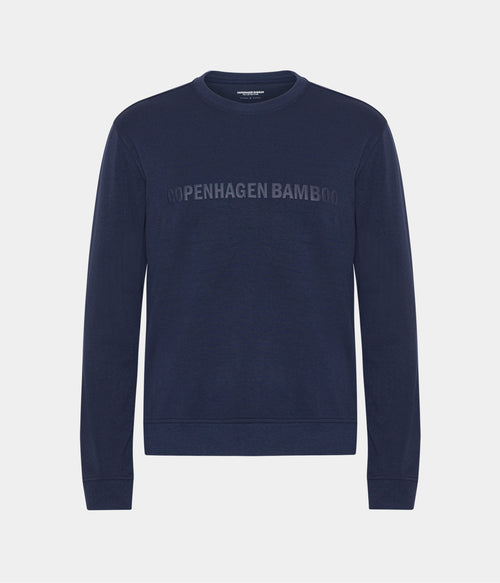
A hole that keeps returning to exactly the same spot is rarely a coincidence. It shows that something rubs the fabric in the same way every day. Look at what touches the garment: a shoe, a belt, a bag strap or a chair you sit on for hours. Find the source, and the hole usually stops coming back. See bamboo sweatshirts for women.
Heels and thighs are the most common spots
The heel of a sock and the inner thighs are where holes appear most often. Both places see constant movement and pressure all day. The heel is pressed into the shoe with every step, and the thighs rub together as you walk. The movements are small, but repeated thousands of times. See most popular for women.
Bag straps and belts
A bag always carried on the same shoulder rubs the same spot day after day. The same goes for a belt or buckle pressing against your stomach when you sit. Switching shoulders now and then, or choosing a strap with a softer edge, helps. The wear is then spread over a larger area instead of one point.
Bones close to the skin
Elbows, hip bones and shoulder blades sit close under the skin and push the fabric against whatever you lean on. If you often rest your elbows on a table or lean against a chair back, the fabric is pressed from both sides at once. That is one reason sleeves wear thin at the elbow first.
One more layer moves the wear
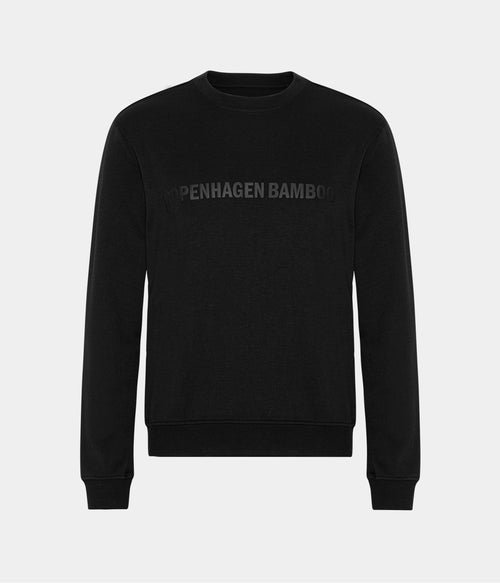
An inner layer takes the friction instead of the outer one. With a thin layer between your skin and the garment you want to protect, the inner layer takes most of the rubbing. A thin top or a pair of socks is easier to replace than a sweatshirt you love. See bamboo sweat clothes.
Fit plays a part
Very tight clothing is stretched over bones and joints, and the fabric gets thinner right there. Clothing that is too big can fold and rub against itself. A fit that follows the body without pulling gives the fabric the best conditions. This matters most at the thighs, where movement is greatest.
Washing and drying affect wear
Fabric washed hot and tumble dried often loses some strength over time. The fibres dry out and break more easily under friction. Wash at a low temperature where you can, turn garments inside out and let them dry on a rack. The fibres then cope better with daily rubbing on exposed spots.
What you can do from today
Look at the holes you already have and ask what touched the fabric right there. Was it the shoe, the bag or the way you sit? Remove or change the source where possible. Where it is not, an extra layer or a different fit can take the worst of the wear.
Frequently asked questions
Why does the hole appear in the same place every time
Because the friction comes from the same place. A shoe, a belt or a bag strap rubs exactly the same point every day until the fibres give way.
Where do holes appear most often
In the heel of socks and on the inner thighs. Both places see constant movement and pressure throughout the day, and repetition wears the fabric down.
How can it be avoided
Find the source of the friction and remove it, or put a layer in between. An inner layer takes the wear instead of the outer one and is easier to replace.