Why elastane is blended in
Sep 12, 2026
Short answer: Elastane lets the fabric give and spring back. Without it, a soft fabric stretches permanently at the knees, elbows and waistband. A small amount is enough to make a big difference to how your clothes sit after a full day.
The fabric finds its shape again
Soft fibres like bamboo viscose feel lovely on the skin, but they do not spring back on their own when stretched. Five percent elastane is enough for a garment to keep its shape after a whole day. The elastane works like tiny springs that pull the fabric back. You can see it in many bestsellers for women.
What happens without elastane
Without elastane, a soft fabric slowly grows longer where it is stretched most. Knees and elbows bag, and a waistband loses its grip and starts to slide. It does not happen in a day, but after a few months the garment looks worn, even though the fabric itself is intact. That is why elastane is blended in.
Movement without the fabric pulling
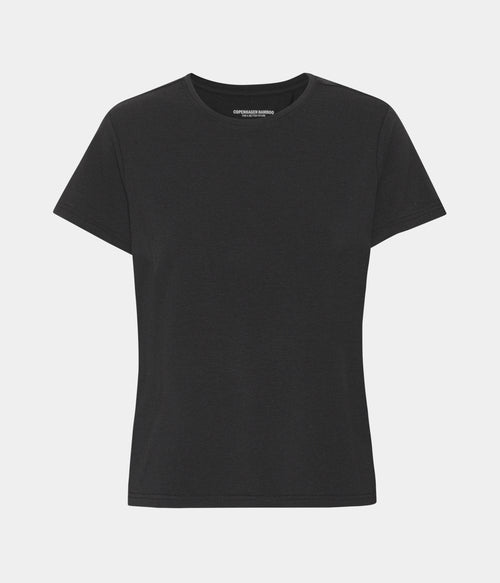
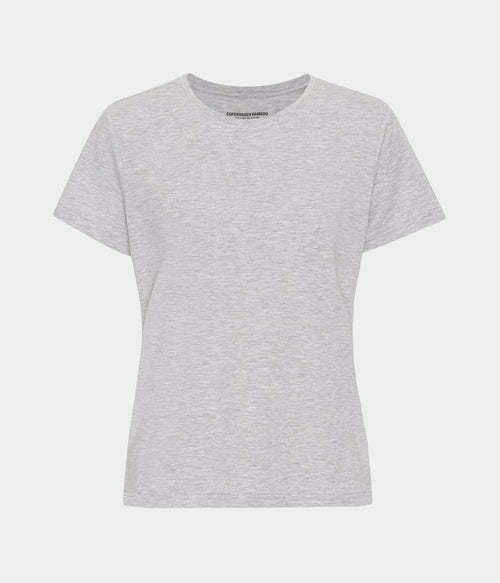
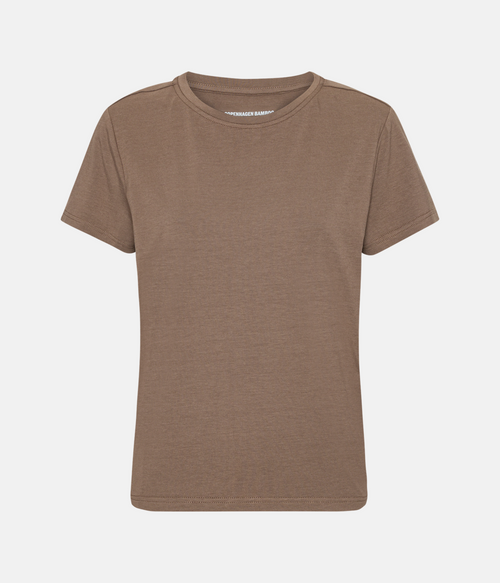
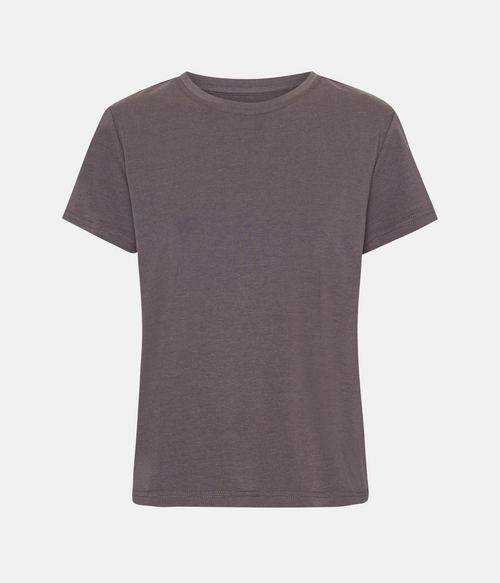
With elastane you can raise your arms, bend or crouch without the top riding up at the waist. The fabric gives while you move and settles back afterwards. This matters most in clothes you wear all day for many different things, see bestsellers from Copenhagen Bamboo.
Where it matters most
Waistbands, armholes and necklines are where elastane helps most. This is where the fabric is stretched every time you put the garment on and take it off. Without elastane, a neckline soon turns loose and wavy. With it, the neckline keeps its shape wash after wash, see bamboo T-shirts for women.
How much elastane is needed
Three to eight percent covers most needs in everyday clothing. That gives the fabric enough stretch to follow the body and find its way back. More than that makes the fabric tight rather than responsive, and it starts to feel like sportswear. The right amount depends on what the garment is for.
Softness and elastane in one fabric
Many think elastane makes a fabric less soft. In the small amounts used in everyday clothing, you hardly feel it. The fibre that makes up most of the fabric decides how it feels on the skin. The elastane sits inside the yarn and simply helps the fabric keep its shape while the surface stays soft.
How to look after the elastane
Elastane wears out over time, and heat is its worst enemy. So avoid the tumble dryer and washing above forty degrees. Wash on a delicate programme, turn the garment inside out and dry it on a hanger or flat. Also avoid leaving it in direct sun for long. These habits keep the stretch much longer.
Signs the elastane is worn
When elastane starts to give up, you see it first in waistbands and necklines. They turn loose, wavy or lose their grip. The fabric may also bag where it is stretched most. It is a natural sign of use rather than a flaw, and gentle washing can delay it for a long time.
Frequently asked questions
What does elastane do in a fabric
It lets the fibres stretch and contract again, so the garment keeps its shape day after day, including at the knees, elbows and waistband.
How much elastane is needed
Three to eight percent covers most needs. More than that makes the fabric tight rather than responsive, and it starts to feel like sportswear.
Does elastane wear out
Yes, over time. Heat is its worst enemy, so avoid the tumble dryer and washing above forty degrees, and dry the garment on a hanger.