Why wet fabric feels cold
Sep 12, 2026
Short answer: Water carries heat away far faster than air. When fabric is wet, body heat escapes through the water instead of being held back. At the same time, evaporation from the surface draws even more heat from the skin.
Water pushes out the air
What insulates in a garment are the small air pockets between the threads. Still air conducts heat poorly, so it keeps warmth close to the body. When the pockets fill with water, the insulation almost disappears, because water passes the heat on instead of holding it. See men's bamboo tank tops.
Evaporation draws out more heat
When water evaporates from the surface of the fabric, it needs energy. That energy comes from the nearest source of warmth, which is your body. That is why you can feel cold in a wet top even when the air is mild. Wind makes it worse, because it speeds up evaporation. See men's bamboo hoodies.
Sweat works like rain
It does not have to be rain that makes the fabric wet. After a brisk walk, a bike ride or a day with a lot of movement, the inner layer can be damp with sweat. When you then stand still or step into a cool room, evaporation starts and you feel the cold, often without noticing you were sweating.
Why a dry layer matters so much
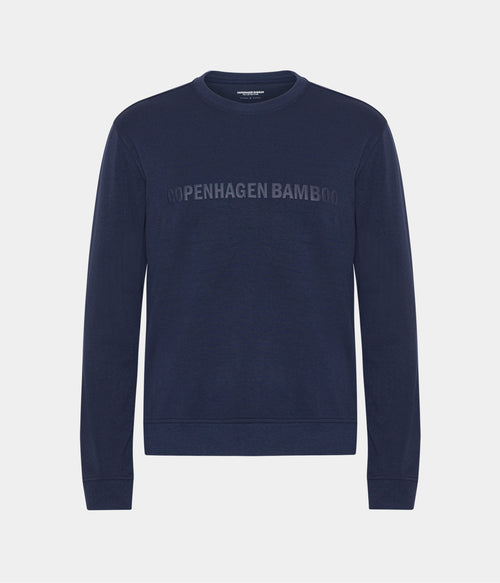
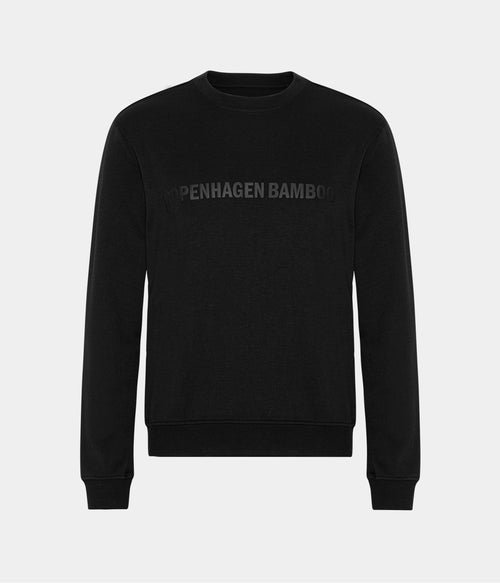
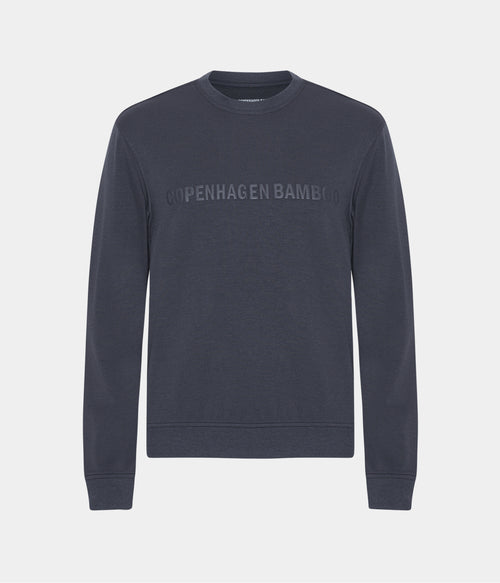
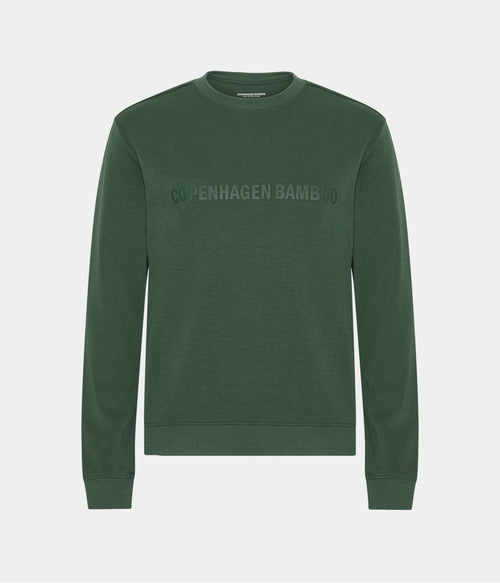
A dry outer layer over a damp inner layer slows both conduction and evaporation. The dry layer holds a layer of still air and shields against wind, so evaporation happens more slowly. You will still feel colder than in fully dry clothes, but the difference is noticeable. See men's bamboo sweatshirts.
Take the wet layer off
If you can, it is best to take the wet layer off. Even without a new layer, dry skin is warmer than skin covered by wet fabric. Dry your skin and put on something dry if you have it. If not, put a dry layer on top of the wet one.
How fast the fabric dries
Some fabrics hold a lot of water and dry slowly. Cotton is one example, which is why a wet cotton top feels cold for a long time. Bamboo viscose dries faster, so the time with wet fabric against the skin is shorter. It does not make the fabric waterproof, but it can help after you have been sweating.
Plan for an extra layer
If you are heading out on a day when you know you will sweat or get wet, bring an extra dry layer in your bag. A thin top takes up little space and can make the rest of the day more comfortable. Change as soon as you finish whatever made you warm, and before you start to feel cold.
Be careful with tight clothing
Clothes that sit very tight leave no room for air between the layers. That removes the extra insulation a looser layer would otherwise give. Choose an inner layer that fits close without pulling, and a middle layer with a little air around the body. You then keep warmth better, even when the inner layer gets damp.
Frequently asked questions
Why do you feel cold in wet clothes even in mild weather
Because water carries heat away many times faster than air, and because evaporation draws extra heat from the skin, especially when it is windy.
Does it help to take the wet layer off
Yes, noticeably. Even without a new layer, dry skin is warmer than skin under wet fabric. Dry off and put on something dry if you can.
Which fabric feels coldest when wet
Cotton, because it holds a lot of water and dries slowly. Bamboo viscose dries faster, so the time with wet fabric against the skin is shorter.