Bamboo or cotton for nightwear
Sep 12, 2026
Short answer: Bamboo moves moisture faster and feels cooler, while cotton absorbs more moisture before it feels damp. If you sweat at night, bamboo is usually the more comfortable choice.
The temperature drops at night
Your body gives off heat and moisture all night, even in a cool bedroom. The temperature shifts several times while you sleep, and the skin responds with a little sweat. A fabric that moves moisture away from the skin keeps you drier. You find that quality in bamboo sweat clothes, which also suit quiet days at home.
How cotton behaves
Cotton is a familiar and reliable choice for sleepwear. The fibre absorbs a fair amount of moisture before the fabric feels wet, which is why many people sleep well in an old cotton tee. The downside is that cotton holds on to that moisture. It dries slowly, and if you sweat a lot, it can end up feeling clammy.
How bamboo viscose behaves
Bamboo viscose is smooth and fine, and it passes moisture on instead of holding it. Many people therefore find it cooler, especially in the first minutes after lying down. That does not mean bamboo is cold to sleep in. It simply feels less damp when the body warms up during the night and starts to sweat.
Thin fabric rather than thick
Bedrooms are often warmer than we think, especially under a heavy duvet. A thin fabric is usually more comfortable than a thick one. The thickness decides how much heat is kept in, while the fibre decides how moisture is handled. A light top is a good place to start, see the styles in bamboo tops for women.
No hard edges
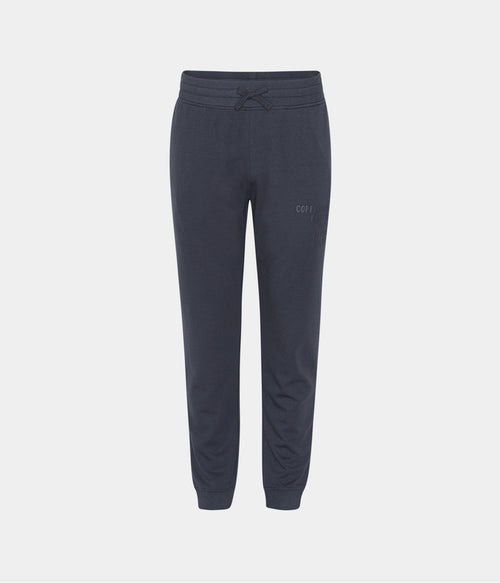
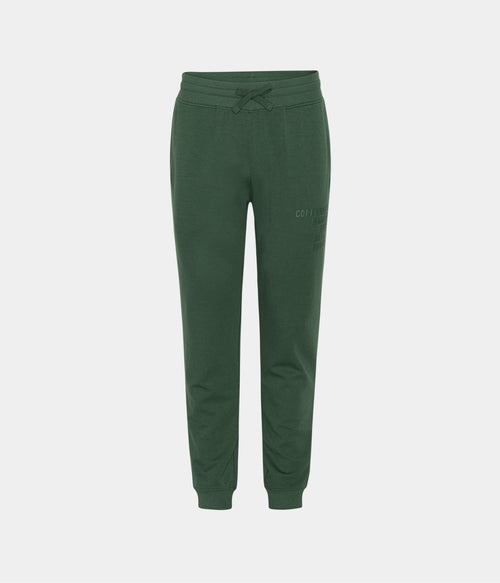
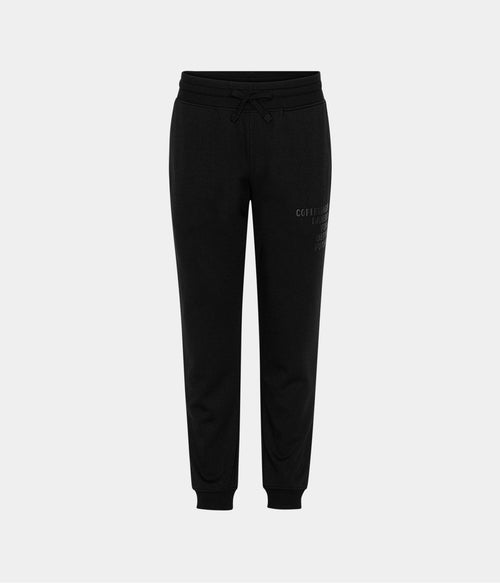
Seams, labels and tight waistbands are more noticeable when you lie still for hours. What goes unnoticed during the day can press at night as you turn against the mattress. Look for flat seams and a soft, wide waistband that does not dig in. See the soft styles in bamboo sweatpants for women, which also work for sleeping.
What suits you
If you sleep warm and wake up damp, bamboo is usually the most comfortable option. If you get cold easily and rarely sweat, cotton can be just as good, because it feels warm and dry for longer. Many people end up with both in the drawer and choose by season. What matters most is a fabric thin enough for your bedroom.
Washing and care
Sleepwear takes up more moisture than you might expect and should be washed regularly. Bamboo viscose does best with a gentle wash, inside out and without fabric softener, which can coat the fibres. Let it air dry rather than using a tumble dryer. That way the fabric stays soft and keeps handling moisture well night after night.
A calm layer between skin and sheet
A thin layer of sleepwear does more than cover you. It absorbs moisture that would otherwise stay between skin and sheet, and it is easier to wash often than your bedding. That is why many people sleep better with a light layer than with nothing. With bamboo you get a layer that feels smooth and cool.
Frequently asked questions
Does bamboo help with night sweats
It can make the night more comfortable, because the fabric moves moisture away from the skin, but it does not remove the cause. If the problem persists, talk to your doctor.
How often should sleepwear be washed
Every second or third night is a good starting point. If you sweat a lot at night, it is a good idea to wash it more often.
Is it better to sleep without
It is a matter of taste. A thin layer absorbs moisture that would otherwise stay between skin and sheet, and it is easier to wash than your bedding.