Chafing and where it happens
Sep 12, 2026
Short answer: A chafing sore needs three things at the same time: moisture, friction and time. Remove one of them and the sore usually does not form, which makes prevention easier than many people think.
Three factors at once
A chafing sore does not appear just because something rubs. The skin has to be damp, two surfaces have to rub against each other, and it has to go on long enough. Seen that way, it becomes easier to prevent. You do not need to remove all three, just one of them, to avoid most sores.
Moisture softens the skin
Wet skin is far more vulnerable to rubbing than dry skin. Sweat, rain or a damp sock softens the skin, and then it wears faster. That is why many sores appear on warm days or long walks, when the skin never gets a chance to dry. A layer that absorbs moisture close to the skin helps. See bamboo underwear for men.
Friction happens where two surfaces meet
Shoe against heel, thigh against thigh, strap against shoulder. Friction arises where something moves back and forth against the skin. The more movement and pressure, the faster it happens. Seams, edges and rough fabrics make it worse, while a smooth, soft layer lets things glide instead of rub. See long-sleeve styles.
Time is the third factor
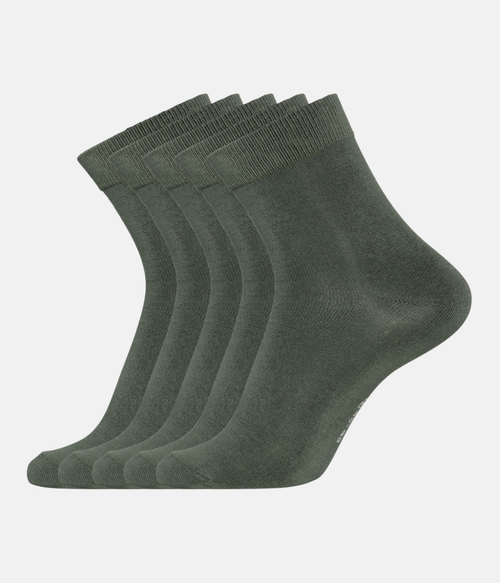
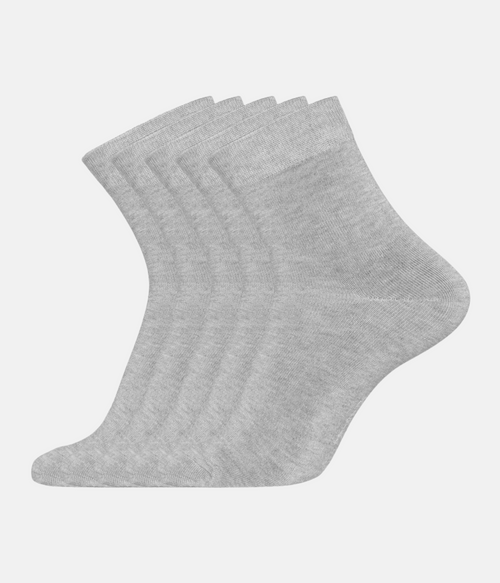
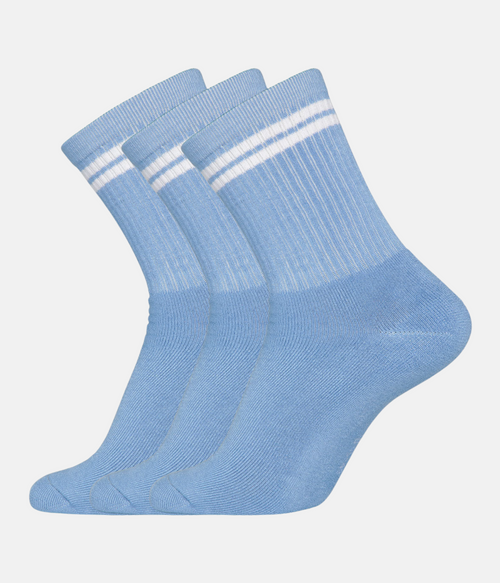
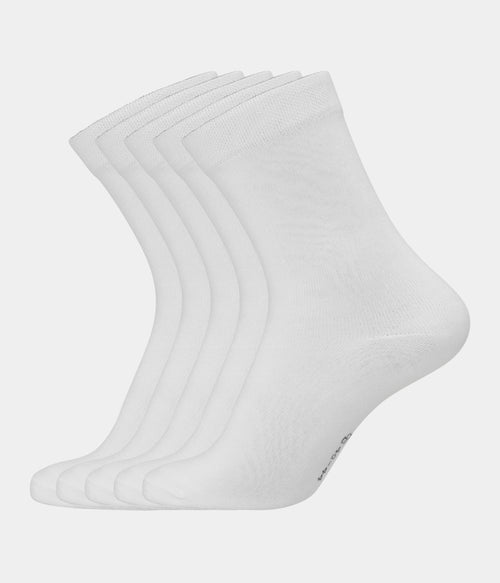
Ten minutes does nothing, three hours does. A chafing sore is the result of many small movements repeated again and again. That is why you often notice it only once the damage is done. On long walks, it is worth stopping to check before it starts to hurt. See socks for men.
Heels and feet
The feet are the most common place for chafing. Shoes that sit loosely at the heel let the foot slide up and down with every step, and a damp sock makes it worse. Choose shoes that hold the heel firmly and socks without thick seams. Break in new shoes with short outings first.
Between the thighs
On warm days or long walks, the thighs can rub against each other. Here, moisture and time make the biggest difference. Underwear with a slightly longer leg puts a layer of fabric in between, so skin does not rub directly on skin. Choose something soft that stays in place and does not ride up.
Under straps
Backpacks, bags and harnesses press on the shoulders and rub as you move. A layer of fabric between strap and skin makes a big difference, especially on long walks. Adjust the straps so they sit firmly without sliding, and switch shoulders now and then so the same spot is not exposed all the time.
When it has happened
If you get a chafing sore, keep it clean and dry, and avoid rubbing the same spot again. Give the skin rest until it has healed. If a sore does not heal, or becomes red and tender, talk to your doctor.
Frequently asked questions
How does a chafing sore form
Through moisture, friction and time in the same spot. Remove one of the three factors and the sore usually does not form.
Where do they form most often
At the heel, between the thighs and under straps. Those are the places where two surfaces rub against each other for a long time.
What prevents them best
Keeping the skin dry. Dry skin tolerates far more rubbing than damp skin, so moisture is the first thing to remove.