Clothes against the skin at night
Sep 12, 2026
Short answer: At night, fabric lies still against the skin for many hours. That is why the surface and the seams matter more than during the day, when you move and your clothes shift constantly.
Night is different from day
During the day, clothing moves as you walk, sit and reach for things. A seam never stays in one place for long. At night it is the opposite. You lie still for long stretches, and the fabric rests on the same spots of the body. That makes small details in the clothing more important.
No movement, more pressure
When you lie still, a seam stays in the same place for hours and presses into the skin under your body weight. This can leave red marks or irritated skin in the morning. Choose styles with flat seams and soft edges for the night, especially for what sits closest, see bamboo underwear for women.
Moisture that does not evaporate
Under the duvet, moisture evaporates more slowly because the air is still and warm. The body releases moisture all night, even when you are not visibly sweating. A fabric that absorbs it and moves it away from the skin makes for a calmer night. For the colder months, a soft set works well, see bamboo joggers for women.
Loose rather than tight
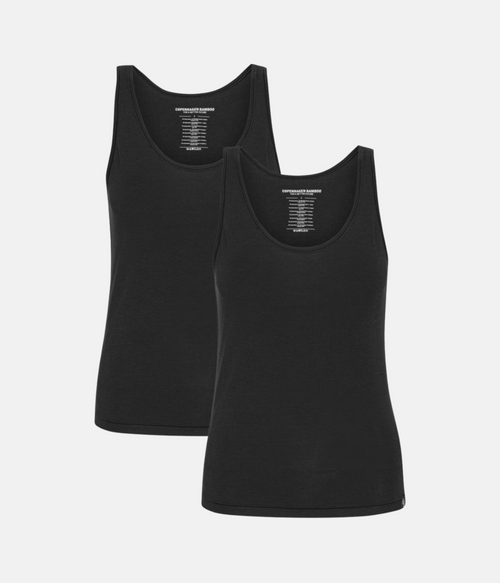
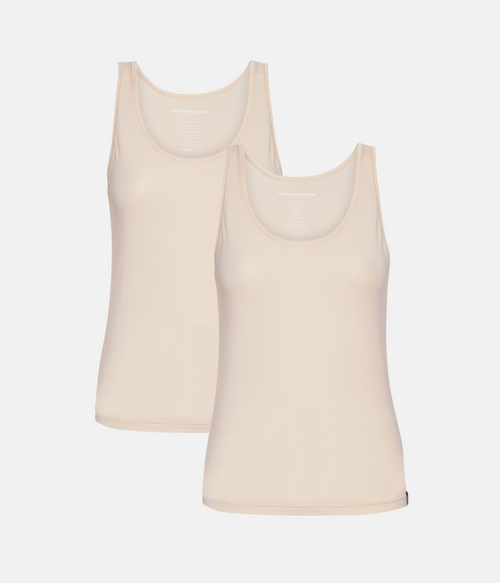
At night, fabric does not need to sit close. A loose, thin layer lets air reach the body and does not press when you turn over. Tight cuffs and narrow sleeves are more noticeable when you lie down. A light top with some room is often enough on an ordinary night, see bamboo tops for women.
Labels and tags
A label at the neck that you hardly notice during the day can irritate when you lie on it all night. Cut it off carefully close to the seam, or choose styles where the information is printed directly on the fabric. Also check for side labels that press against the skin when you sleep on your side.
Bedroom temperature
Clothing is only part of the picture. A cool bedroom and a duvet suited to the season make a big difference to how much you sweat at night. If you often feel warm, try a thinner duvet before changing your nightwear. If you often feel cold, an extra thin layer works better than a thick one.
Washing nightwear
Nightwear collects moisture and skin cells overnight, even if it does not look dirty. Wash it every second or third night, more often if you sweat a lot. Use a mild, unscented detergent so no fragrance sits against your skin all night. Let it dry completely before wearing it again.
When skin itches at night
Many people find their skin itches more at night than during the day. The body is warmer, and there is nothing else to focus on. Clothing with a smooth surface and less pressure can make it a little easier. If the itching is strong or disturbs your sleep over time, talk to your doctor.
Frequently asked questions
Is it better to sleep without clothes
It is a matter of taste. A thin layer absorbs moisture that would otherwise stay between skin and sheet all night.
Why does skin itch more at night
Because the body is warmer at night, and because there is nothing else to focus on when you lie still.
How often should nightwear be washed
Every second or third night, and more often if you sweat or the bedroom is warm.