Clothes for mountain biking
Sep 12, 2026
Short answer: Mountain biking switches between hard climbs and fast descents. You sweat on the way up and get cold on the way down, and it repeats all ride. An inner layer that moves moisture quickly and a layer you can take on and off do most of the work.
Climbing builds heat
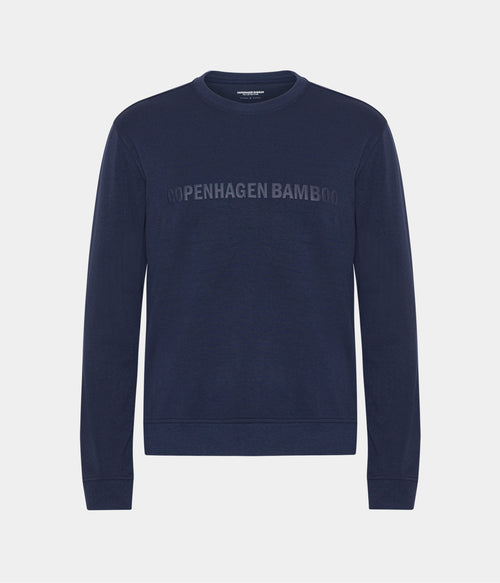
A ten minute climb produces more heat than an hour on a flat road. Your body works hard, your pulse rises, and you start to sweat, even on a cool day. That is normal, but it means your clothes have to shed moisture before you reach the top and point the bike downhill. See bamboo sweat for men.
Speed cools you on the descent
Speed plus wet clothes is the coldest combination there is. On the way down your legs hardly work, and the wind hits your chest and arms. Wind on wet clothes cools you several times faster than still air, so you can get cold within minutes after a warm climb. See bamboo sweatwear.
The inner layer does most of the work
The inner layer is the only one that works both on the climb and on the way down. It should be thin and move moisture away from your skin quickly, so there is less wetness to chill you on the descent. A thick layer soaks up more and dries slower. Build warmth with thin layers instead.
Your back under the backpack
A backpack presses the fabric against your back, and that is where it gets warmest and wettest. Air cannot reach it, and sweat stays put. Choose a thin layer that does not fold under the straps, because a fold under a strap becomes a pressure point on a long ride. See the range for men.
A layer for the top
Keep a light layer handy that you can pull on at the top. Put it on before the descent and take it off again at the foot of the next climb. It sounds like a lot of on and off, but it is the easiest way to avoid overheating on the way up and freezing on the way down.
Hands and neck
On the descent your hands and neck often get cold first, because they are right in the wind. Thin gloves and a collar or neck tube you can pull up make a big difference. They take up almost no room in your backpack, and you can take them off when you start climbing again.
Breaks and changes
When you stop for a break, you cool down quickly in damp clothes. Pull on an extra layer right away, even if you still feel warm. On long rides, a dry inner layer in your backpack is worth changing into halfway. That way the second half starts in dry clothes.
Washing and care
Clothes from a ride in the woods pick up mud, dust and sweat. Rinse off the worst and wash at a moderate temperature, so the fabric keeps its shape longer. Let your clothes air dry rather than using a tumble dryer. Keep two inner layers so a clean, dry one is always ready.
Frequently asked questions
Why do you get cold on the descent
Because speed creates wind, and wind on wet clothes cools you several times faster than still air. After a warm climb it happens within minutes.
What should you wear closest to the skin
A layer that moves moisture quickly. It is the only one that works both on the climb and on the way down, and it should be thin.
What about your back under the backpack
That is where it gets warmest and wettest. Choose a thin layer that does not fold under the straps, because a fold under a strap becomes a pressure point on a long ride.