Clothes that become cleaning rags
Sep 20, 2026
Short answer: A garment too worn to wear can become a cloth for the kitchen or cleaning. Bamboo viscose and cotton absorb well and do not shed lint, so they work well once they can no longer be worn.
When clothing is worn out
Clothing is worn out when it has holes, has become thin or has lost its shape. Before that point, it is better to mend it or pass it on. But when nothing more can be saved, the fabric can still be useful for years as a cloth in the kitchen, bathroom or workshop.
Cut it into useful pieces
Squares of twenty to thirty centimetres suit most tasks. That is large enough to wipe a counter and small enough to wring out in one hand. Cut up bamboo slips and other thin fabric once they are worn out, and remove elastic edges, seams and labels first so the cloth lies flat.
Avoid fabrics that shed
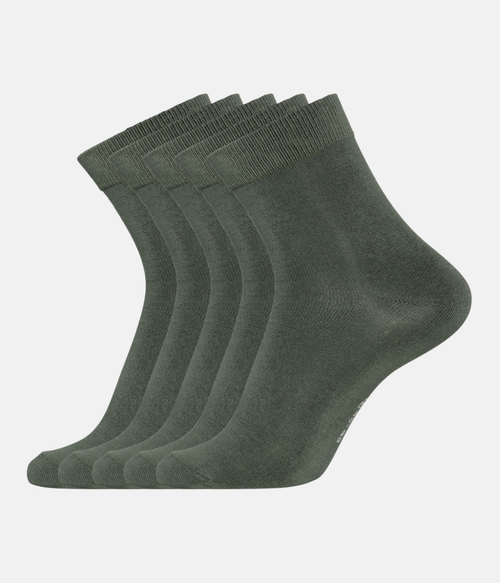
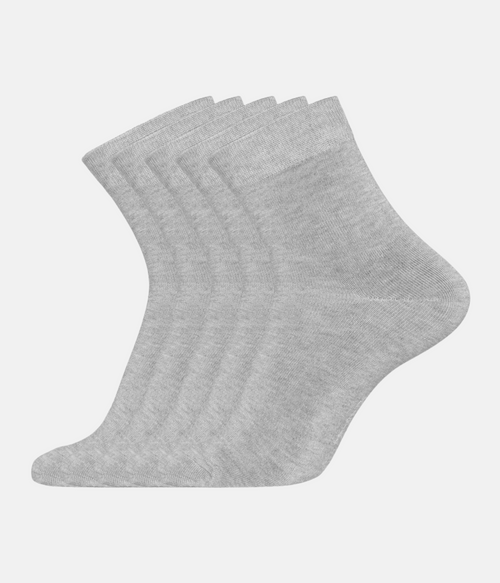
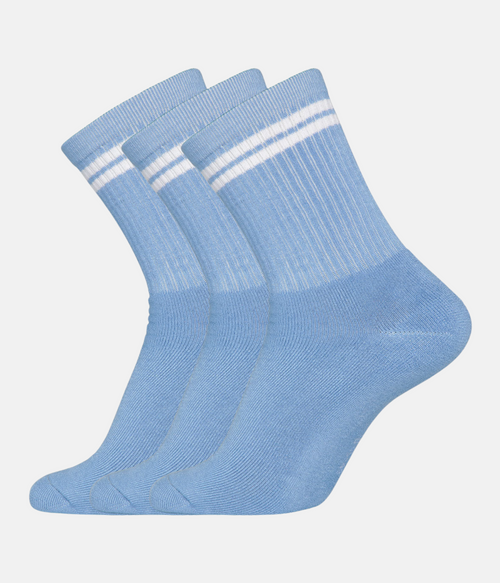
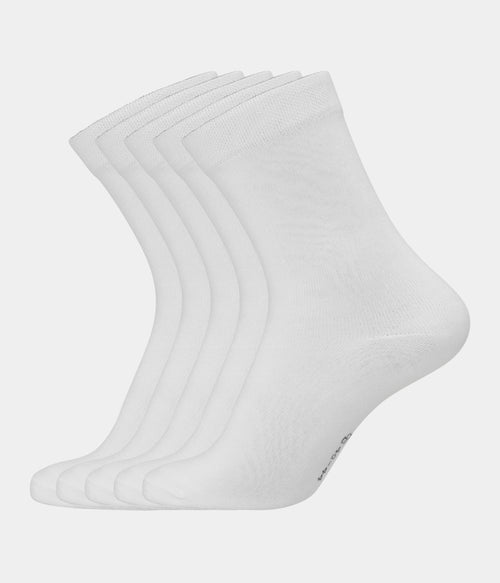
Terry and brushed fabrics leave lint on smooth surfaces such as glass, mirrors and counters. Choose smooth pieces from socks for women and thin items instead. Smooth knit in viscose and cotton absorbs water and leaves no lint. Brushed fabric can still be used for rougher jobs such as floors or bikes.
Sort cloths by task
It helps to keep a few piles. Thin, smooth pieces for glass and dust, slightly thicker ones for the kitchen and the most worn for dirty jobs that end in the bin. That way you do not use the same cloth for dishes and a bike chain, and the best pieces last longer.
Cloths can be washed many times
A homemade cloth can be washed at sixty degrees and lasts for years. Put the cloths in a laundry bag so small pieces do not disappear in the machine, and wash them with tea towels and hand towels. Let them dry fully before storing. See what can be cut up in the women's range.
What does not work
Not everything makes a good cloth. Printed fabrics can bleed when wet, and very stretchy fabrics often absorb poorly. Thick seams and zips scratch smooth surfaces. Whatever cannot become a cloth can go to textile collection, where it is sorted and often gets a new life as fibre or filling.
Small scraps have a use too
Even the smallest scraps can be used. A sock pulled over the hand is good for dusting blinds and plants. Narrow strips can tie up plants in the garden or on the balcony. It takes no special tools, only scissors and a little time when you sort out clothes anyway.
A final step in the life of a garment
Cutting clothes into cloths does not solve everything, but it delays the moment the fabric becomes waste. You also save kitchen roll and disposable wipes. When the cloth is finally worn through, hand it in to textile collection with other worn clothing rather than putting it in general waste.
Frequently asked questions
Which fabrics make good cloths
Smooth cotton or viscose without print. They absorb well, do not shed and can be washed hot many times.
How large should they be
Twenty to thirty centimetres each way. That size suits most kitchen and bathroom tasks and is easy to wring out.
Do the edges need sewing
No, cut them with scissors and wash them. They fray a little at first, but that does not matter for an everyday cloth.