Where textile waste should be taken
Sep 20, 2026
Short answer: Textile waste should go in a dedicated textile container or to the recycling centre. In Denmark, textiles have their own collection scheme, so worn clothing does not belong in general waste, even when it can no longer be used.
Worn clothing is not general waste
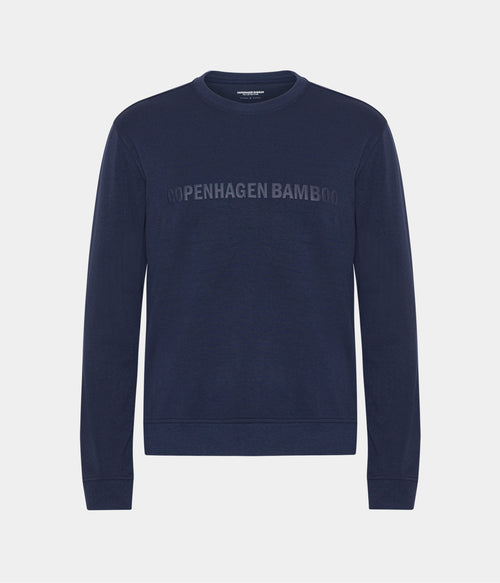
Even if an item has holes and is worn thin, the fibres can still be recycled or turned into new materials. What is burned with general waste is lost for good, while collected textiles can be sorted and given a new purpose. Hand in everything from the women's range once it is worn out.
What counts as textile waste
Textile waste is any clothing, bed linen, towels, tea towels and other fabric that can no longer be used. That includes intact items you no longer want and worn items with holes and stains. Anything still in good shape can be passed on or sold, but even the most worn item has a place in textile collection.
It must be dry and clean
Wet or dirty textiles can spoil the rest of the collection and turn the whole container into general waste. Damp leads to mould, which spreads to everything else in the bag. Wash and dry everything, including a bamboo sweatshirt for women, before handing it in. Clothing with paint, oil or chemicals does not belong there.
Pack it in a closed bag
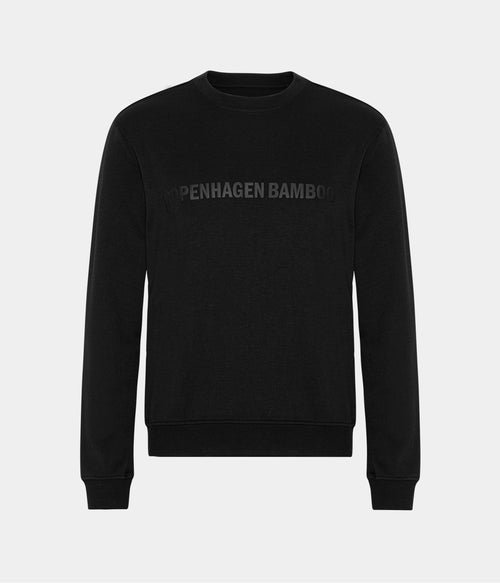
A closed bag keeps textiles dry until they are sorted at the plant. Tie the bag well so it does not open in the container. This applies to everything from bamboo sweat for men and women to single socks. Keep socks in pairs and small items together so they are not lost during sorting.
Where to find a container
Textile containers are found at the recycling centre and in several places around the municipality, such as shopping centres and housing areas. Some municipalities also collect textiles at the door. The municipality's website shows what applies where you live, and staff at the recycling centre can answer questions.
Collect at home
The easiest approach is a fixed bag or box for textiles in a wardrobe or hallway. When something is worn out, it goes straight in after a final wash. When the bag is full, take it along next time you pass the recycling centre or a container anyway. That turns it into a habit rather than an extra trip.
What happens next
Collected clothing is sorted. The best is resold, the rest is divided by material, and the last becomes cleaning cloths or insulation. The cleaner and drier the clothing is when handed in, the more of it can be used again. Your part of the work matters, even if it feels small.
Use it first
The best way to reduce textile waste is to wear clothing for a long time. Wash cooler, mend small damage and pass on intact items. When the clothing is finally worn out, textile collection is the right place. The order is simple: wear, mend, pass on and hand in last.
Frequently asked questions
Where can I find a textile container
At the recycling centre and in several places in the municipality. The municipality's website shows the nearest one.
Does the clothing have to be intact
No, textile collection also takes worn clothing with holes and stains, as long as it is clean and dry.
What about shoes
Shoes usually belong to a different scheme. Ask at the recycling centre where they go before putting them in a textile container.