What happens to collected clothing
Sep 20, 2026
Short answer: Collected clothing is sorted into three streams: resale, recycling into new fibres and shredding into cloths or insulation. Sorting is done by hand and by machine, and each garment ends up where it does the most good.
From container to sorting plant
Once clothing is placed in a textile container, it is collected and taken to a sorting plant. There the bags are opened and the clothing is checked piece by piece. That is why it must be clean and dry. A wet or dirty load can ruin a whole sack before anyone has looked inside.
The best is resold
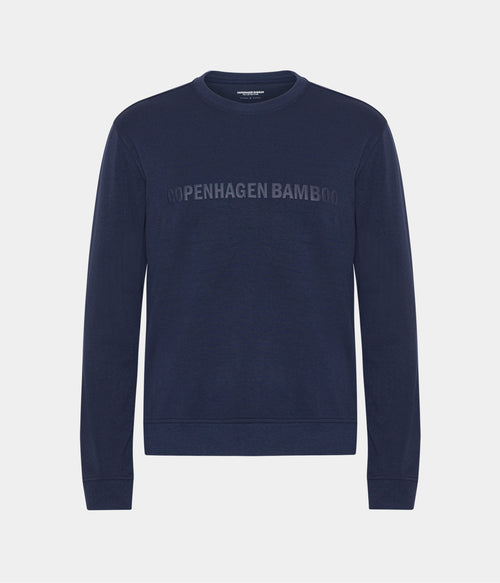
Intact, tidy items go to second-hand shops at home and abroad. This stream keeps the most value, because the item is used again as it is. That includes pieces from men's most popular that are still in good condition. The better the condition, the greater the chance of a new owner.
Sorting by hand and machine
The first sort is often done by hand, because a person can quickly see whether an item is intact, clean and usable. Machines that read fibre content are increasingly used to identify the material. Together, they make it possible to sort large volumes and still find the right stream for each item.
The rest is divided by fibre
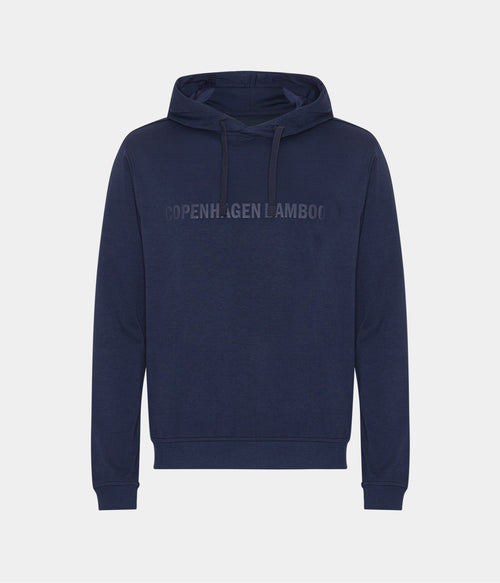
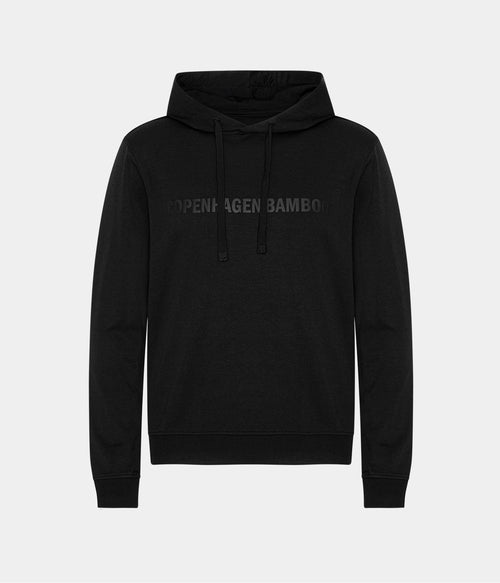
Worn clothing is sorted by material, because pure fibres can be recycled and blends are much harder. That is why the fibre content of a bamboo hoodie for men matters right at the end. A single fibre fabric can be torn and spun again, while a blend must be separated first.
The last becomes cloths and insulation
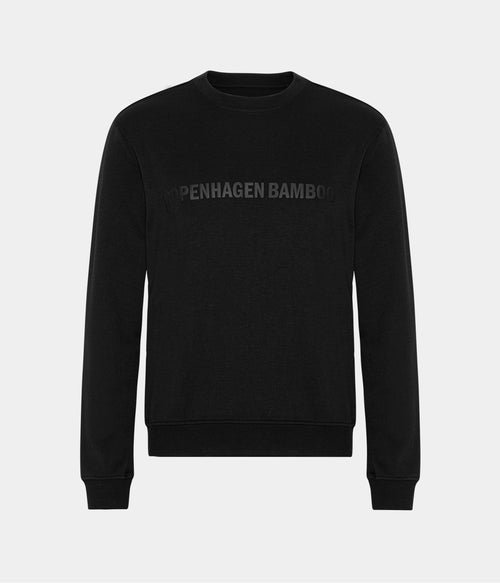
Whatever cannot be recycled as fibre is shredded into industrial cloths or insulation. This also applies to bamboo sweat clothes that are completely worn out. It is the lowest step, but still better than burning, because the material is used once more before it finally disappears.
Why condition matters
The stream a garment ends up in depends mostly on its condition when handed in. An intact, clean item can be resold, a worn one recycled and a damaged one turned into cloths. Clothing washed gently and mended along the way therefore has more options when it finally leaves the wardrobe.
What you can do
Wash and dry clothing before handing it in, pack it in a closed bag and keep socks in pairs. Give good items directly to a second-hand shop so they skip the full sorting process. And read the care label when you buy, so you know what the clothing is made of.
Wear it for a long time first
Even the best sorting plant cannot make a garment new again. The biggest difference therefore happens before clothing is collected at all. The longer an item is worn, the fewer new items need to be made. Collection is a good final step, but not a substitute for using the clothes.
Frequently asked questions
How much is resold
The share varies, but the best items are always sorted out first so they can find a new owner.
Why are blends a problem
Because two fibres must be separated chemically before they can be recycled, and that process is costly and difficult.
Can everything be recycled
No, but far more than what ends up in general waste today. What cannot be recycled often becomes cloths or insulation.