Clothes under safety wear
Sep 12, 2026
Short answer: Safety clothing is dense because it has to protect you. That means moisture cannot escape, so the layer underneath matters for the whole day. A thin layer that moves moisture away makes the biggest difference.
Protection comes before breathability
A protective fabric must first and foremost protect you, and it does that by being dense. That is exactly as it should be, but it also means heat and moisture struggle to escape. You cannot change the outer layer, so the layer underneath is the one you can influence. See bamboo underwear for men.
The layer underneath must move moisture
A layer that draws sweat away from the skin keeps you dry inside a closed outer fabric. If moisture cannot get out through the outer layer, it at least needs to move away from your skin, so you are not wearing a clammy layer all day. Choose a soft, smooth fabric that sits close without feeling tight.
Thin layers rather than thick
Under a dense outer layer, the inner layer needs to be thin, or you will get too warm. A thick layer holds in heat, and under safety clothing you do not need more heat. A thin T-shirt that fits well without folding is often all you need on your upper body. See bamboo T-shirts for men.
You feel seams and edges more
When the outer layer is dense and stiff, it presses the inner layer against your skin. Thick seams, labels and edges you would not normally notice can start to rub after a few hours. Choose inner layers with flat seams and soft edges, so you do not feel them through a full working day.
Your feet in safety boots
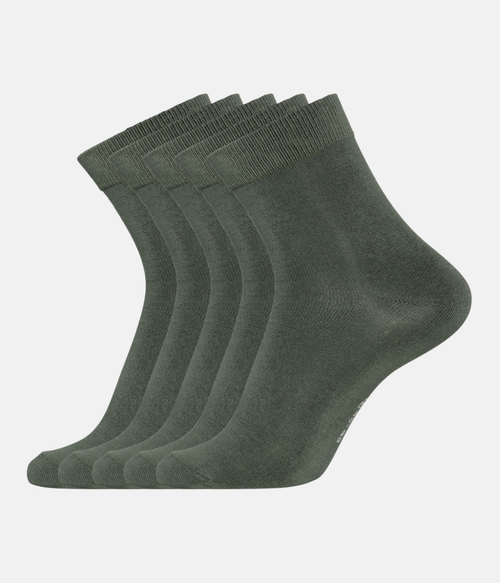
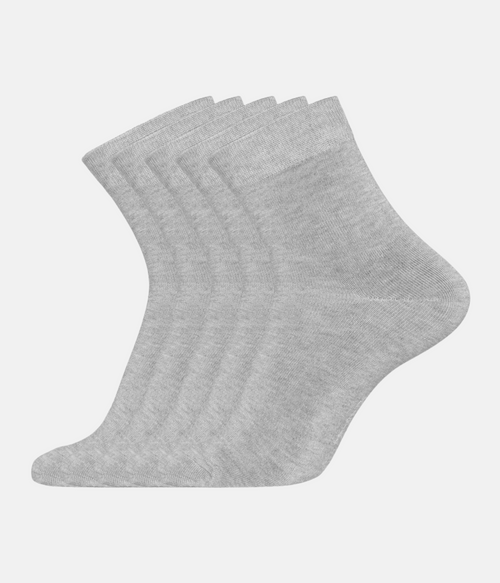
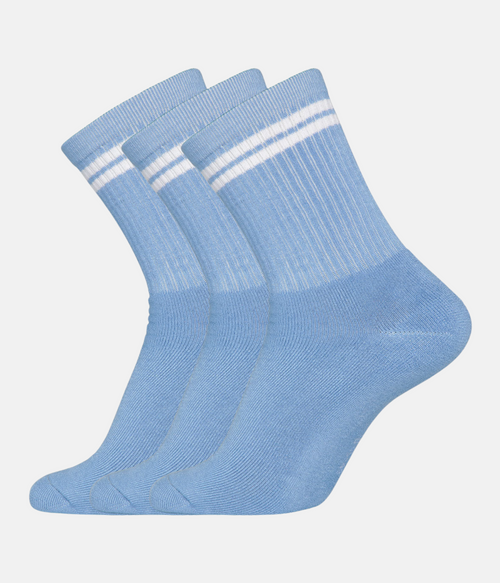
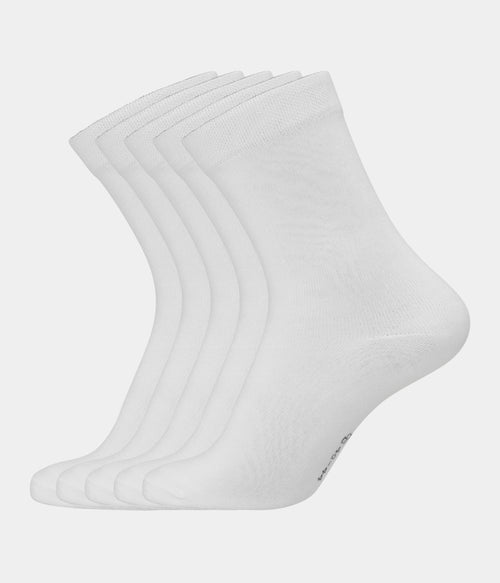
Safety boots are often closed and stiff, and your feet get little air. Socks that move moisture away from the skin keep your feet drier and make the day more comfortable. Bring a spare pair and change at midday if your feet get damp. See bamboo socks for men and women.
One layer is enough
It can be tempting to wear several layers under safety clothing, especially in winter. But more layers only make you warmer without helping with moisture. One thin inner layer against the skin does the job. If you feel cold during breaks, it is better to put something on over the top when you stop.
Change during your break
If you can, change your inner layer at lunch. A dry layer after a few hours in dense safety clothing feels like starting over. All it takes is a spare set in your locker or bag. Many people find the afternoon easier when their skin has not been damp for eight hours straight.
Washing and care
The inner layer under safety clothing gets damp every day and needs washing often. Wash at a moderate temperature and let it air dry, so the fabric keeps its shape and softness for longer. Follow the instructions for the safety clothing itself and wash it separately. With a few sets, you always have a dry one ready.
Frequently asked questions
What should you wear under safety clothing
A thin layer that moves moisture away from the skin. The outer layer cannot breathe, so the inner layer has to do the work and keep your skin as dry as possible.
Why do you get so wet under safety clothing
Because the fabric is dense for the sake of protection. Moisture cannot escape and stays between skin and fabric unless the inner layer moves it away.
Do you need several layers underneath
No, one thin layer is enough. More layers only make it warmer without helping with moisture, and warmth is rarely what you lack under dense clothing.