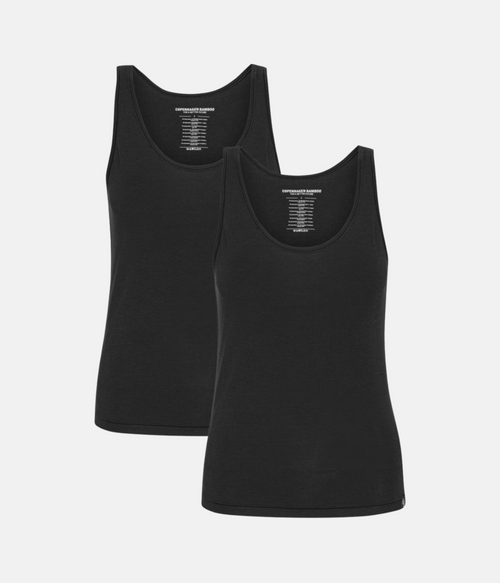
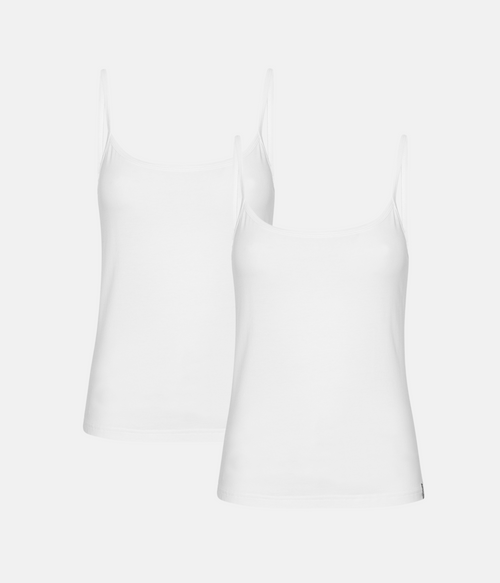
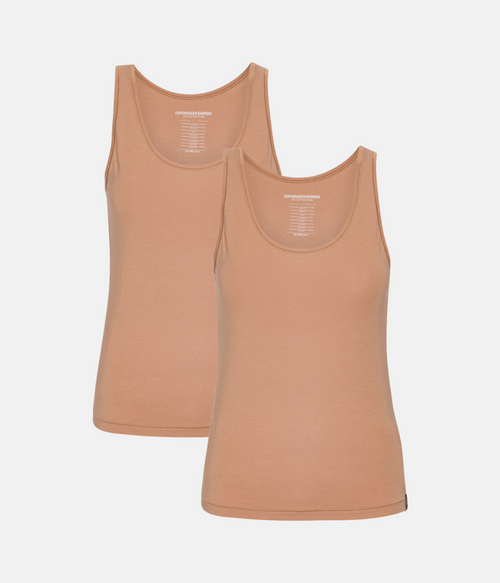
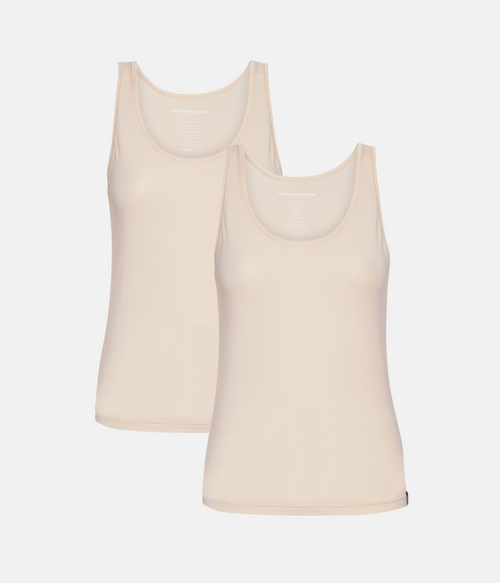
Dyeing fabric, what happens in the vat
Sep 20, 2026
Short answer: Fabric is placed in a warm bath with dye and auxiliaries, and the colour works into the fibres under pressure over time. Then the excess is rinsed out so the colour stays put and does not bleed in your wash.
The colour must get into the fibre
Dye that only sits on the surface washes off after a few rounds. That is why dyeing needs both heat and time, so the colour can work into the fibre and bond there. The auxiliaries in the bath help it along. This is the process that gives colour to our women's bamboo tops.
What happens in the dye bath
The fabric goes into a large vessel with water, dye and auxiliaries. The bath is heated and the fabric is moved around so the colour spreads evenly across the whole surface. Pressure and time make sure the colour gets all the way in. If fabric lies still or in tight folds, light and dark patches can appear.
Rinsing decides bleeding
After dyeing, all loose dye must be rinsed out. If this is rushed, colour stays on the surface and the item bleeds during the first washes. It shows most on dark items like bamboo socks, where excess colour can tint the wash water or transfer to lighter pieces.
Why two batches can differ
Water temperature, time and the amount of fabric in the bath vary slightly each time. So two identical items from different batches may have a slightly different shade. The difference is usually small but visible side by side. This also applies to a bamboo bra bought at two different times.
Adding colour earlier in the process
Dye can also be added while the fibre pulp is still liquid, before it becomes fibre. The colour then sits through the whole fibre from the start and is much more durable. This method means the colour must be chosen early, and it is less flexible. That is why many fabrics are dyed after knitting.
How to test it yourself
You can easily check whether an item is well rinsed. Dampen a white cloth and rub it against the item a few times. If colour transfers, there is still loose dye on the surface. That does not mean the colour is poor, only that the first washes should be alone or with similar colours.
The first washes
Wash new dyed items separately the first few times, especially dark colours. Use a low temperature and a mild detergent so the fibres are not stressed. Do not leave wet dark items lying on light ones while they wait to be hung up. After a few washes the loose dye is gone and the clothes can join the rest.
Keeping colour longest
Colour lasts longest when clothes are washed at a low temperature and dried out of strong sunlight. Turn garments inside out before washing so the surface wears less. Avoid bleach and too much detergent. These small habits keep colour looking fresh for longer, season after season.
Frequently asked questions
Can you tell if something is dyed well
Rub a damp white cloth against the item. If colour transfers, rinsing was not fully finished, and the first washes should be alone.
Why do new dark items bleed
Because loose dye is still on the surface after production. It disappears after a few washes.
Can colour be added earlier in the process
Yes, dye can be added to the fibre pulp itself, which makes the colour much more durable. The method is less flexible, though.