Dyes in clothing, what to know
Sep 12, 2026
Short answer: Dye sits inside the fibre after dyeing, and the excess is rinsed out at the factory. A little loose dye can still remain on the surface, which is why it is a good habit to wash new clothes before wearing them for the first time.
Where the colour sits
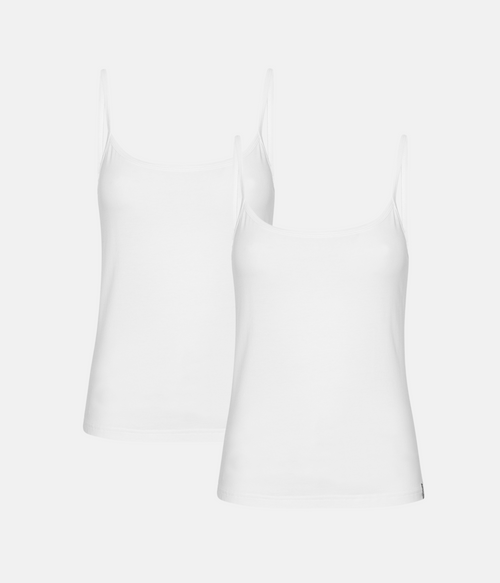
In cellulose fibres the dye is absorbed through the whole cross section of the fibre, not just the surface. That is why the colour lasts, even after many washes. It is not a layer on the outside but part of the fibre itself. This applies to most pieces in our women's clothing.
Loose dye on the surface
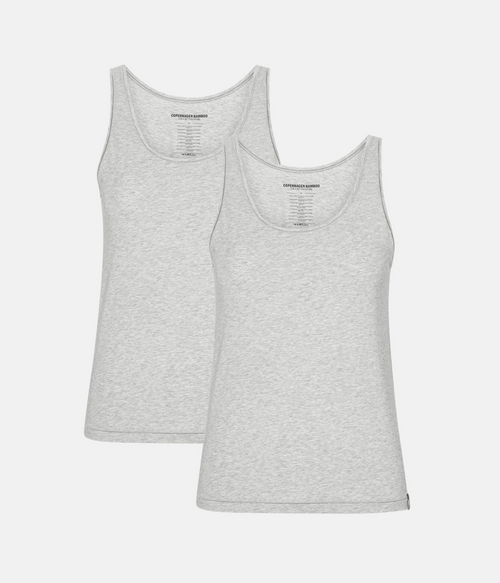
After dyeing, clothes are rinsed at the factory, but a little loose dye can stay on the surface. It is released in the first few washes and is why the water may turn coloured. This is normal and does not mean the colour is poor. It mostly affects dark shades, for example in bamboo T-shirts for men.
Wash new clothes before wearing
The simplest way to remove loose dye is to wash clothes before you wear them. The excess is gone before the fabric rests against your skin all day. Wash dark pieces separately the first few times so the colour does not transfer to lighter clothes. Cold or lukewarm water and a normal programme are enough.
Tests for harmful substances
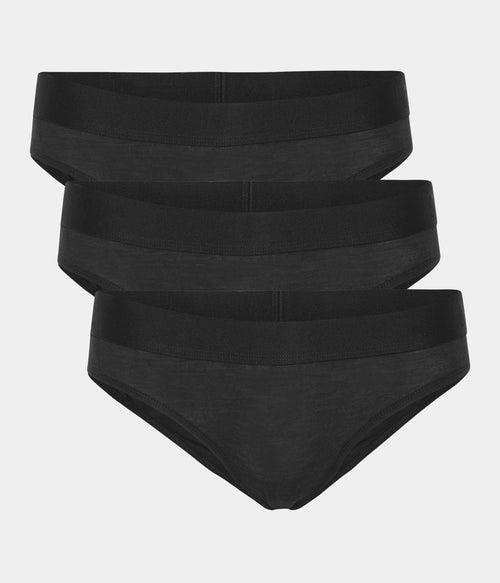
Oeko-Tex Standard 100 tests specifically for residues of, among other things, certain dyes. The test concerns what remains in the finished fabric, not how it was dyed. To see what applies to a specific product, check the product information, for example in bamboo underwear for women, where it is listed with each item.
Reactions are rare
You can react to dyes, but it is rare. More often something else is the cause. Residue from detergent and fabric softener, a rough seam or a stiff label at the neck are far more common reasons for itching. That is why it makes sense to check those things first before concluding that the colour is the problem.
Washing dark colours
Dark clothes keep their colour best when washed inside out at a low temperature. That reduces friction against the drum and other garments, and friction is what wears the surface. Skip the tumble dryer and dry in the shade, since sunlight can fade dark shades over time, especially black and navy.
Washing light colours
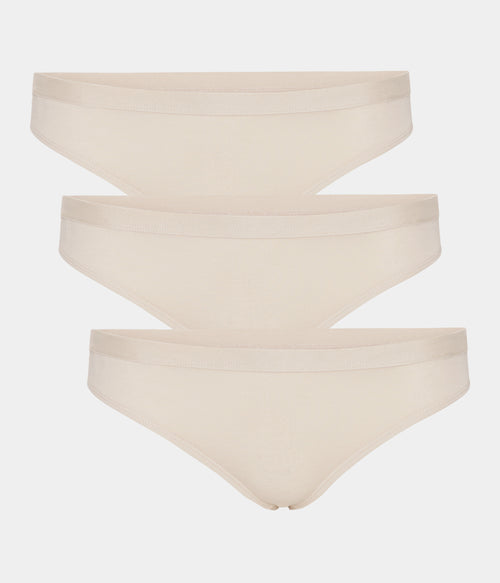
Light colours rarely release dye, but they can pick up colour from other clothes. Wash them separately or with other light pieces. A detergent without optical brighteners keeps the shade natural. A mild product and a full rinse are enough for most everyday clothing that is not heavily soiled.
Colour and sensitive skin
If your skin is sensitive, the first step is not to change colour but to look at the wash. Wash new clothes, drop the fabric softener and use a neutral detergent without perfume. If the discomfort continues, try a different piece. For persistent or strong reactions, talk to your doctor.
Frequently asked questions
Can you react to dyes
It happens, but rarely. More often it is detergent residue or a seam that causes discomfort, so those are the things to look at first.
Why does new dark clothing release colour
Because loose dye remains on the surface after production. It usually disappears after two or three washes, and after that the colour stays in the fibre.
Is undyed clothing milder
Not necessarily. Finishing treatments and detergent often matter more to the skin than the colour itself, so undyed is not automatically the best choice for sensitive skin.