From factory to warehouse, the route an item takes
Sep 20, 2026
Short answer: A garment is packed at the factory, shipped by container or air, cleared through customs and placed in a warehouse. From there it is packed on its own when an order comes in. The whole route takes time, which explains much of what you see as a customer.
The garment starts at the factory
When a production run is done, the garments are folded, labelled and packed in bags and boxes at the factory. Boxes are grouped by style, colour and size so they are easy to handle later. This is where the garment gets the bag it often still sits in when it reaches you.
Bulk transport first
Goods are shipped in large volumes to keep costs down, usually by sea from Asia to Europe. A container holds many thousands of garments, which makes transport cheap per piece. Air is used only when something is urgent. The same route applies to bamboo T-shirts for men and most other basics.
Customs on arrival
When the container arrives, the goods must clear customs before they can enter the country. Papers are checked and duties are paid. It can be quick, but it can also take a few days if the port is busy or a document is missing. Only then are the goods trucked on to the warehouse.
The warehouse breaks up the volume
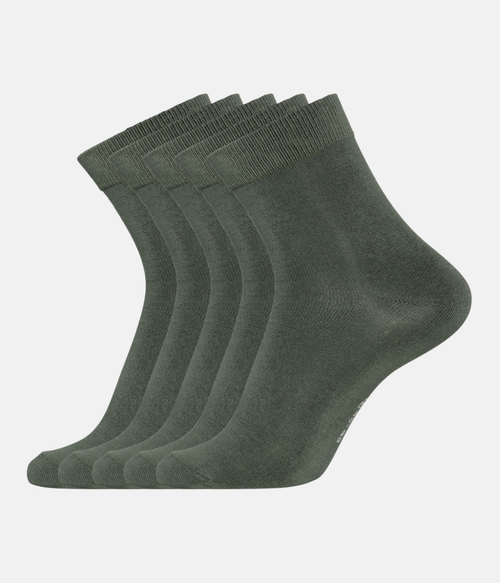
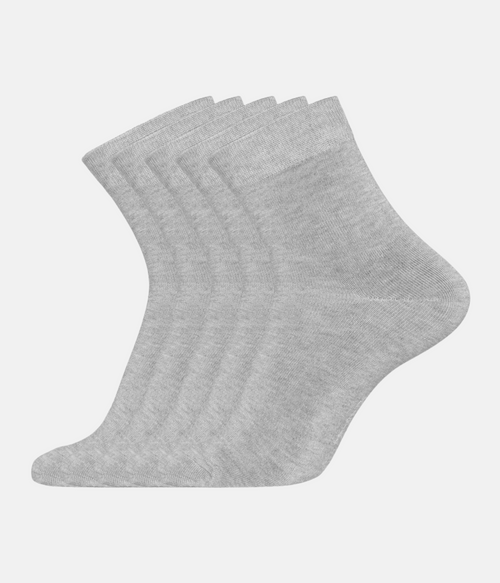
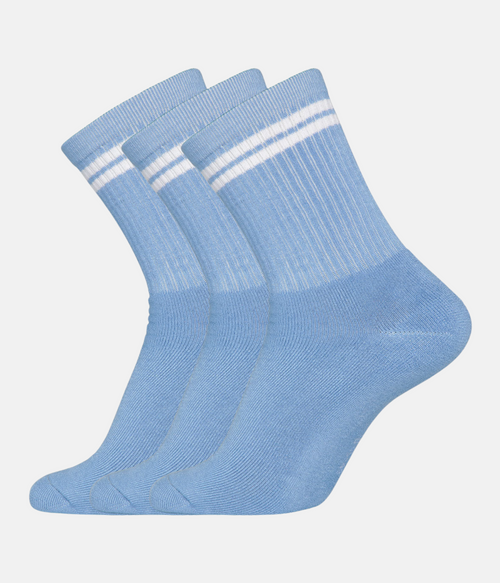
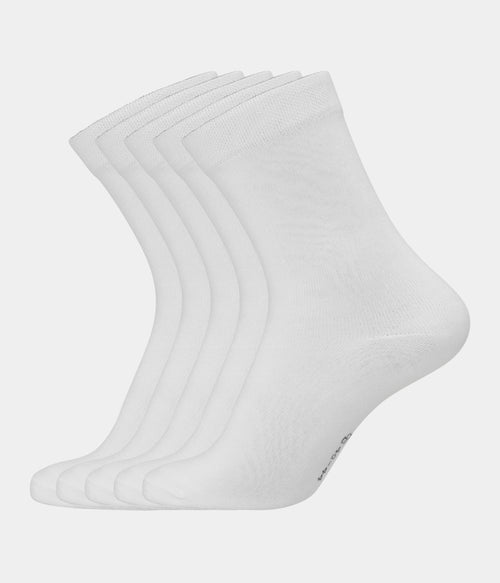
At the warehouse the boxes are opened, and the garments are sorted by size and colour and placed on shelves or in bins. Each spot is recorded, so the system knows exactly where each item is. From there a single pair of socks for men can be picked for an order without any searching.
Packing happens only at sale
The garment is packed on its own once it is sold, which is why delivery time starts at the order. The order goes to the warehouse, the item is picked, put in a mailer bag and given a shipping label. The same route applies to bamboo undershirts for men. Once the carrier has it, it is on its way.
Why time passes between production and sale
From the moment a garment is finished at the factory until it is on the shelf, several months often pass. The ship sails for weeks, and port, customs and warehouse intake all take time. That is why a style can be sold out even though it is already made. It simply has not arrived yet.
The packaging travels with it
The bag the garment was packed in at the factory usually travels the whole way. It protects against dust and damp in transit and helps keep sizes apart. Garments are not normally repacked along the way, because that costs time and adds steps where something could go wrong.
What it means for you as a customer
Knowing how the chain works makes it easier to understand why a size can be gone for a while, and why there are a few days between order and delivery. If you have your eye on a garment, it makes sense to buy it while it is in stock rather than wait for the next shipment.
Frequently asked questions
How long does transport take
By sea from Asia usually five to eight weeks including customs, and then a few more days for intake and sorting at the warehouse.
Why can an item be sold out even though it is being made
Because months pass between production and the shelf, and the item can only be sold once it has been received and recorded.
Are items repacked along the way
Usually not. The bag the garment came in from the factory is often the same one you receive at home inside the mailer bag.