How a size guide is made
Sep 20, 2026
Short answer: The maker chooses a set of body measurements, adds an ease allowance and scales up and down from a middle size. The table then applies to the whole range, which is why it is most accurate within that range.
The middle size is the starting point
The scale is built around a medium and extended in both directions with fixed steps between sizes. The middle size is the one drawn, tried and corrected the most. That is why a bamboo slip often fits most precisely in the middle of the scale, while the outer sizes may vary slightly in length or width.
Body measurements come first
Before anything is sewn, the maker decides which body measurements each size should fit. Usually that is chest, waist and hips, and for some garments length as well. The numbers are based on how the intended customers typically look. It is a choice, which is why two brands can use different measurements for the same letter.
The allowance depends on purpose
A close fitting style gets a small allowance, a loose one a large allowance, and the maker decides. The allowance is the difference between body and garment measurements and sets how much room there is. See what fits in bamboo socks and other items, where the stretch of the fabric also affects how much allowance is needed.
Steps between sizes
Once the middle size is set, a fixed number of centimetres is added or taken away for each size up or down. This is called grading. The steps are usually the same all the way, but some makers make them larger at the top of the range. That explains why two neighbouring sizes can feel closer than expected.
Fittings adjust the table
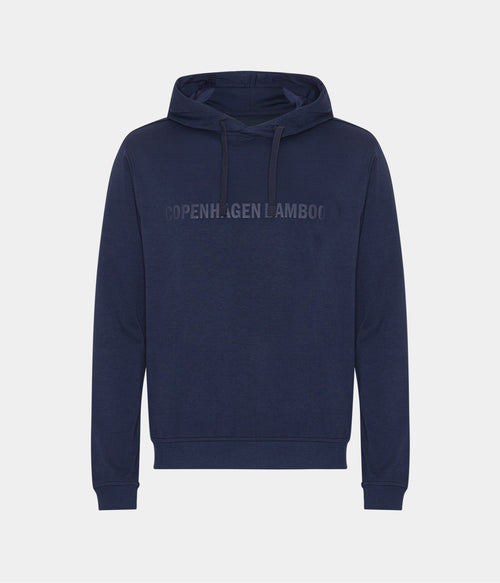
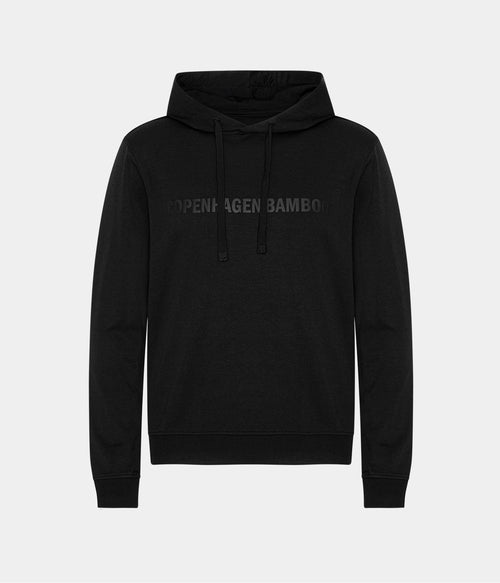
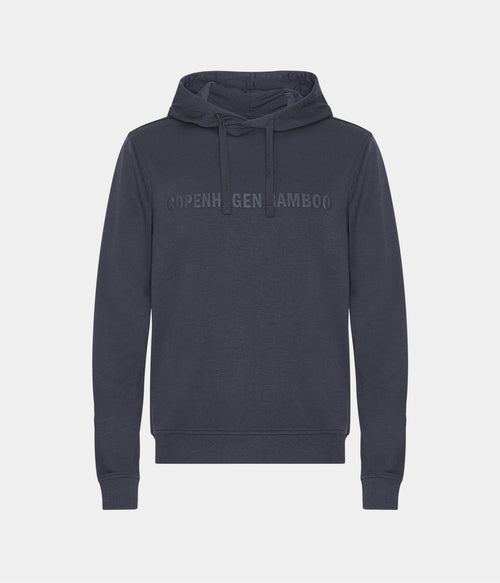
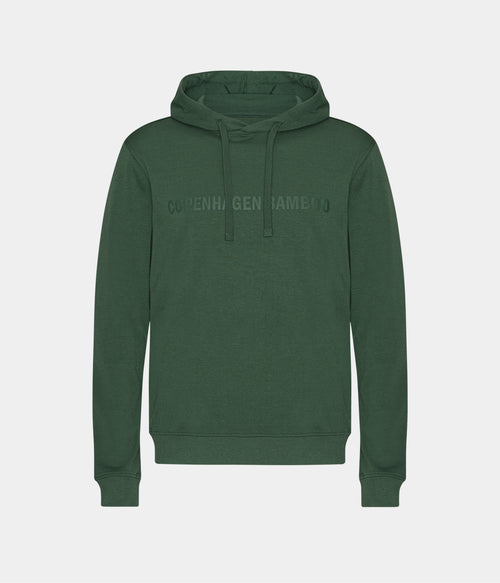
The range is tried on real bodies, and the table is corrected before production. This is where a sleeve that is too short or a waistband that feels tight is spotted. The corrections go into the table so it matches the finished garment. The same applies to a bamboo hoodie for women, where both width and length are checked.
Body and garment measurements
A good size guide often shows both body and garment measurements. The body measurement tells you which size you belong to. The garment measurement tells you how big the item actually is, measured flat. The difference is the allowance. Knowing both lets you judge whether it will fit close or loose.
Why guides differ between brands
Because each brand chooses its own body measurements, allowance and steps, the guides cannot be compared directly. A medium at one brand may equal a small or large at another. It is not a mistake, just different choices. So always use the guide for the specific item rather than a size from another brand.
How to use the guide best
Measure yourself and compare with the body measurements in the guide. If you fall between two sizes, look at the garment measurements and at how close you want it to fit. It also helps to measure a garment you like and compare. That way you use the guide as intended and get it right first time more often.
Frequently asked questions
Why do the middle sizes fit best
Because the scale is built around them and tested there. The outer sizes are calculated from the middle and may have small deviations.
Can you trust a size guide
Within the same range, yes. Across brands less often, because each brand chooses its own measurements and allowance.
What if there is no guide
Measure a garment you own and like, and compare it with the garment measurements for the new item if they are listed.