How to convert multipacks to a unit price
Sep 20, 2026
Short answer: Divide the price of the pack by the number of pieces, and compare with the price of a single piece. That shows you whether the pack is actually cheaper or just looks that way. It takes half a minute and gives a clear answer.
The price per piece is the only comparable figure
A pack of three for two hundred kroner costs sixty seven kroner per piece, and that is the figure to compare with the single price. The total price says little on its own, because packs come in different sizes. Only when everything is converted to price per piece can you compare fairly. This also applies when choosing bamboo boxers in packs or singly.
How to work it out
Take the price of the pack and divide it by the number of pieces. Compare the result with the price of a single item of the same kind. If the price per piece is lower, you save money, as long as you use every piece. If it is the same or nearly so, there is no reason to choose the pack unless you need several anyway.
Watch out for packs with different items
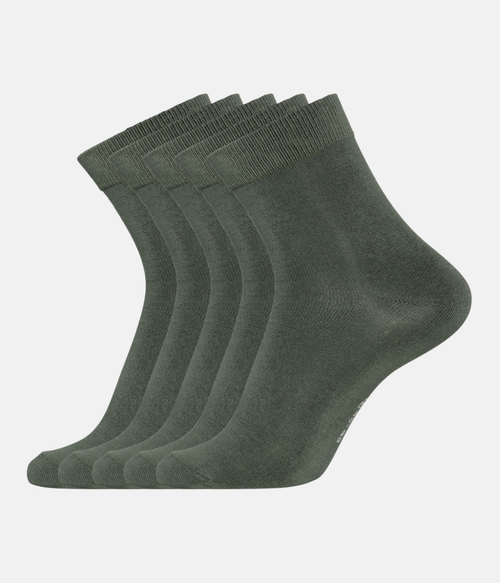
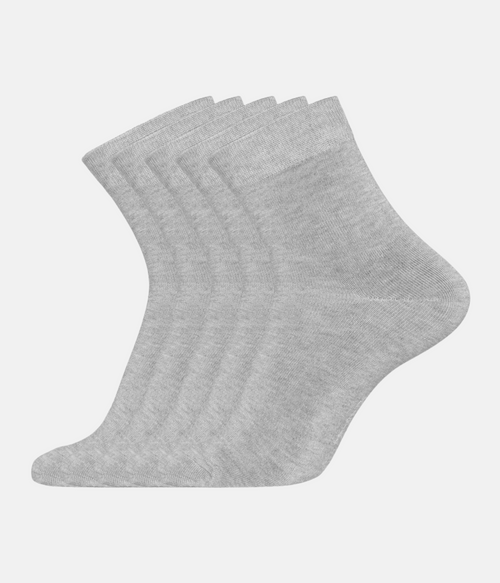
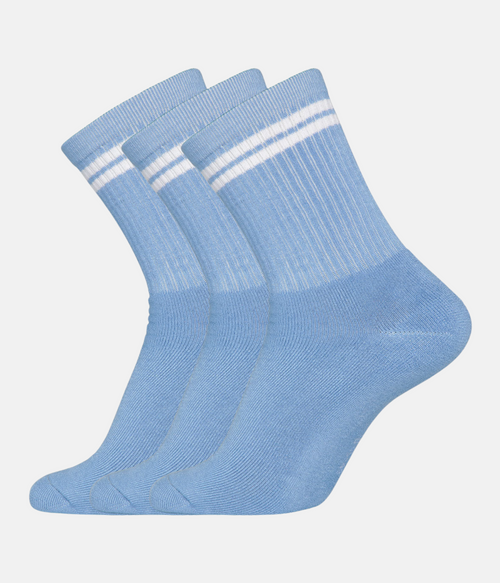
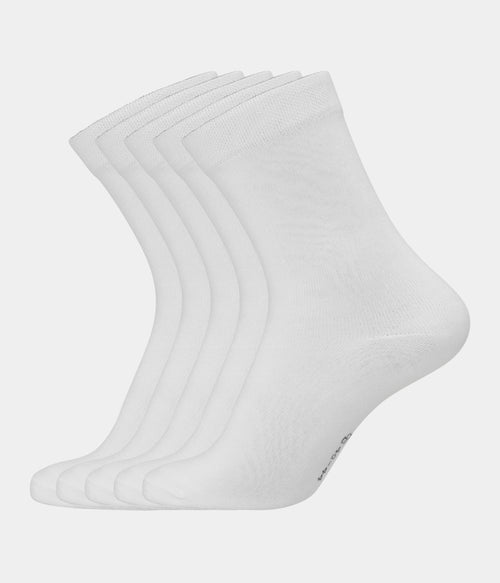
If a pack holds two thick pairs and one thin pair, the price per piece cannot be compared directly with a single item. The items are not the same, and neither is their value to you. Check the description to see exactly what the pack contains, for example with socks for men and women. Compare each part with the matching single item.
Include shipping
Shipping spread over three pieces is a third per piece, while on one piece it is the whole amount. That changes the sum, especially for low priced items where shipping counts for a lot. Add shipping to the pack price before you divide. It often changes the picture for popular styles for men, which many people buy several of at a time anyway.
Will you use them all
A pack is only cheaper if every piece gets used. If a couple sit unused in the drawer, you have really paid more per piece you wear. So think about how many you actually need in a normal week. Underwear and socks are used often, so a pack usually makes sense here. For things you use less often, it is less certain.
Size and colour matter
In a pack you often get the same size and perhaps a fixed colour mix. If the size is not quite right, that affects every piece at once. So if in doubt, try a single item first and buy the pack once you know the fit is right. If you dislike one of the colours, it will rarely be worn, and the price per piece rises again.
Packs and wear
When you have several identical pieces, each is worn less often and wears out more slowly. That is one reason packs work well for basics you use every day. Rotate them in a fixed order so they age evenly. Then you can replace them together when the time comes and keep the drawer easy to manage.
A quick rule of thumb
Ask yourself three things before buying a pack. Is the price per piece lower than the single price once shipping is included? Will you use every piece within a reasonable time? Do the size and colours suit what you already have? If the answer is yes to all three, the pack is a good buy. If it is no to just one, consider single items.
Frequently asked questions
Are multipacks always cheaper
No, but usually by ten to thirty percent per piece. That is why it is worth doing the sum each time rather than assuming it.
What if you only need one
Then the single price is the right comparison. A pack where the rest sits unused is not a saving but a bigger purchase.
Can you share a pack with someone
Yes, and then the price per piece is the same for both of you. It just requires that you wear the same size and can agree on the colours.