When a sale is a real saving
Sep 20, 2026
Short answer: A sale is a saving when you buy something you would have needed within six months anyway. If you buy something else, you have spent money instead of saving it. It sounds simple, but this is exactly where most mistakes happen.
Make the list before the sale
Write down what you need before the sale starts, and buy only that. A list is made calmly, while decisions during a sale are often made in seconds. If you need bamboo undershirts for men, buy those and nothing else. The list protects you from offers that look good but that you had not even thought about yesterday.
Check the price before the markdown
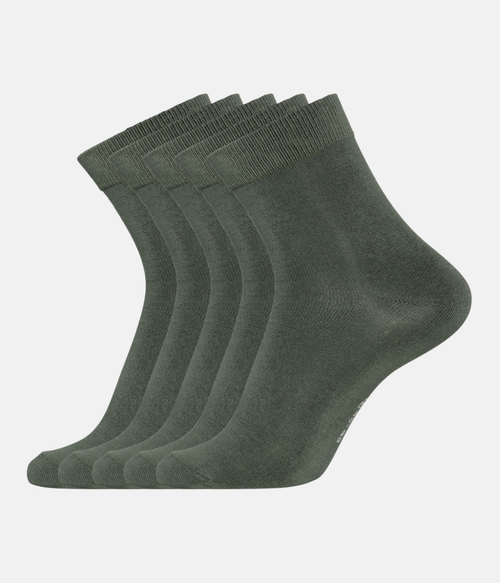
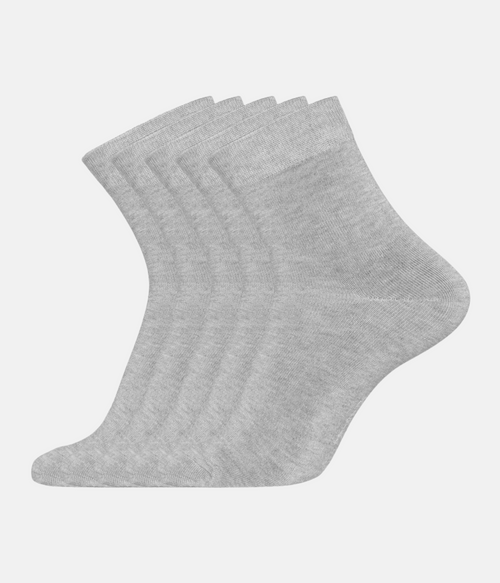
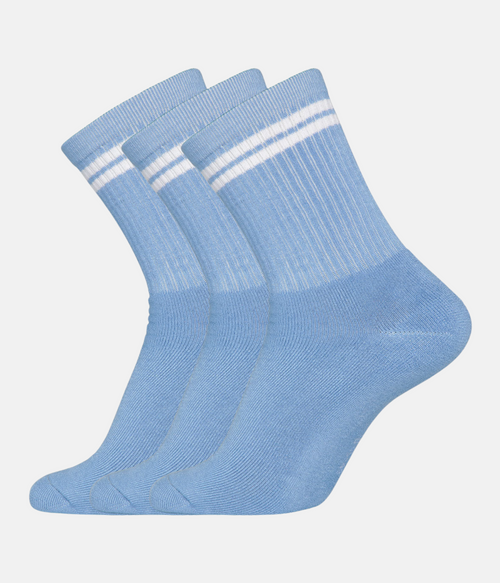
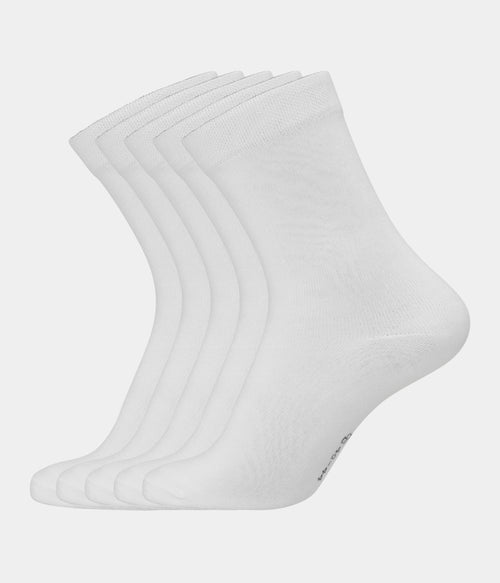
Compare with the price the item had three months ago, not with the crossed out price. The crossed out price only tells you what the item cost at some point, not what it usually costs. Take a screenshot of items you are watching so you have something to compare with. This also applies to socks for men, which many people buy several pairs of at once.
The size has to fit
An item at half price in the wrong size will not be worn and is therefore expensive. Check the measurements before adding anything to the basket, even if you usually wear the same size. Cuts can vary from model to model, and sleeve length matters a lot on long sleeve styles. Measure one of your own favourite pieces flat and compare it with the size chart.
Think in price per wear
A good way to judge an offer is to divide the price by the number of times you expect to use the item. Socks you wear every week for two years are cheap per wear, even at full price. A blouse left unworn in the wardrobe is expensive, even with a big discount. Price per wear shifts the focus from the discount to what you actually get.
Buy what you wear out
The best sale purchases are often the most ordinary ones. Underwear, socks and basics wear out and need replacing anyway, so a discount here gives a real saving. It is rarely the trend pieces that give the most value. Look in the drawer and see what has gone thin, lost its shape or has holes. Those are the first items for your list.
Leave the basket overnight
A simple trick is to put items in the basket and wait until the next day to pay. Many offers feel less important after a night's sleep, and what you still want is usually what you actually need. A sale normally lasts several days, so you rarely lose anything by waiting. You also avoid the purchases that are mostly about the mood of the moment.
Be careful with multibuy offers
Buy three, pay for two sounds good, but it is only a saving if you need all three. Work out what you would have paid for the number you will really use. If the answer is one item, the multibuy is not a saving but a bigger purchase. On the other hand, it makes good sense for things you wear daily and wear out quickly.
Take stock after the sale
When the parcel arrives, try the clothes on straight away and compare with your list. If something does not fit or was an impulse buy, it is easier to return it while the deadline is still running. Also note what you bought and what you saved compared with the normal price. That gives you a better basis next time there is a sale.
Frequently asked questions
When is the best time for a sale
After the change of season, in January and July, when shops make room for the new season and often mark down many items at once.
Should you buy several of the same on sale
Yes, if it is something you use every week and the size fits. Then it is a saving you will benefit from for a long time.
What is the most common mistake
Buying something cheap that you had not planned to buy. The discount feels like a win, but the money is spent whether the item gets worn or not.