What it costs to have clothes lying unused
Sep 20, 2026
Short answer: A garment that is never worn has an infinite cost per wear. It also takes up space and makes it harder to find what you actually wear, so it costs both money and time in daily life.
Cost per wear is the only number that counts
An item costing two hundred kroner worn a hundred times costs two kroner per wear. Worn zero times, it costs two hundred, even if it is bamboo panties. It is a simple way to look at clothing, shifting focus from the price tag to use. What you wear often is almost always the best buy.
Unworn clothes cost space
Every unused item makes it harder to find the ones you wear daily. Drawers fill up, and what you are looking for sits under something you never put on. In the morning that adds minutes. The same goes for the pile of socks for women, where single pairs take up room without being worn.
Pass it on while it still has value
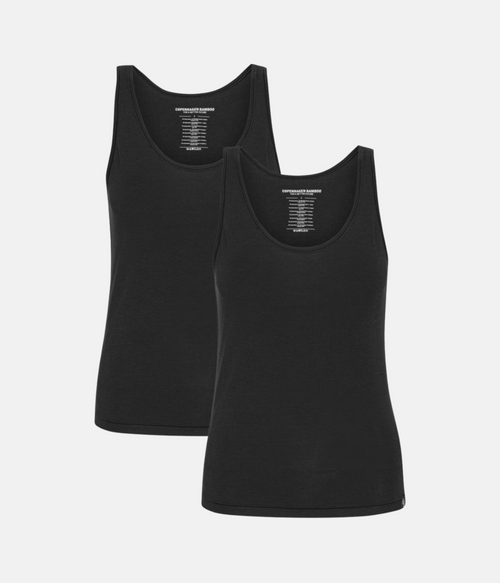
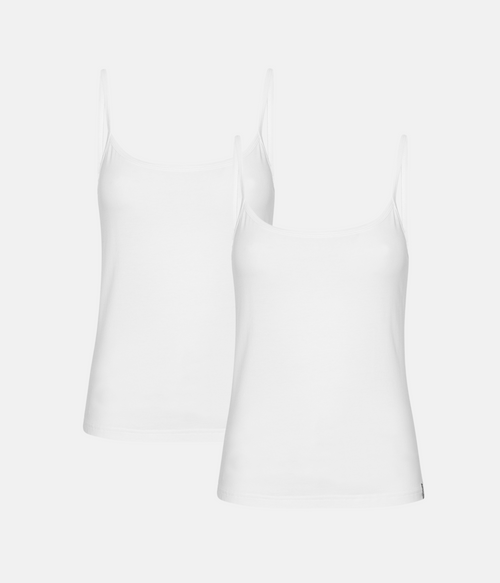
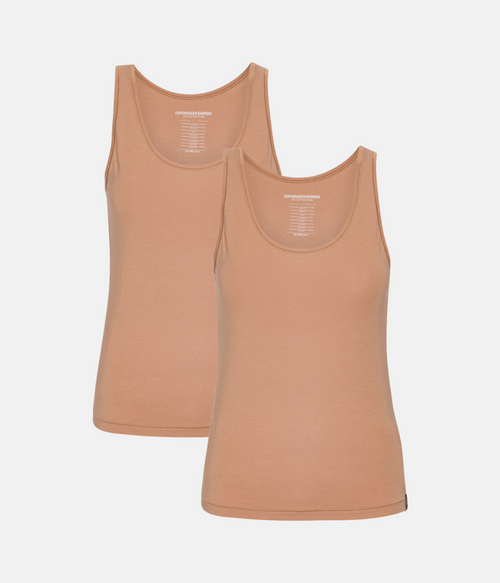
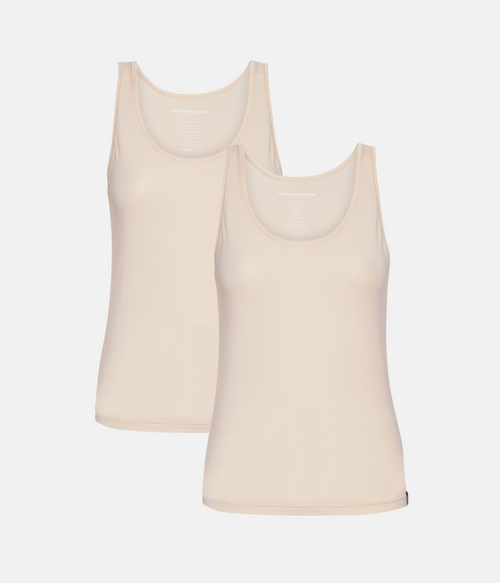
A garment that has sat for three years is worth less than one that has sat for three months. Style and needs change, and what does not suit you may suit someone else. The sooner it moves on, the more use it gives. Look through the pile of bamboo tops for women.
Why clothes end up unworn
Most unworn clothing was bought on impulse, in the wrong size or for an occasion that never came. Other items do not quite fit and get passed over again and again. Notice which reasons repeat for you. That makes it easier to avoid the same purchases next time.
Go through the drawer once a year
Take everything out and make two piles: what you wore in the past year and what you did not. The first pile goes back. The second needs a decision. If an item has a specific purpose, it can stay. Otherwise it is time to pass it on. It takes an hour and frees up room.
Buy what you know you wear
The best way to avoid unworn clothes is to buy what you already know you wear. If a model fits well, buy it again. If there is a colour you always reach for, stick with it. Then everything in the drawer gets worn, and the cost per wear drops for each item.
Fewer items make daily life easier
With fewer items in the drawer, it is easy to see what is clean and what is missing. Rotation stays even because everything gets used. Clothes wear at the same rate, and you know when it is time to replace them. It is not about owning little, but about owning what you actually wear.
Think of cost per wear before buying
Before buying something new, ask how many times you will realistically wear it. If the answer is few, it is expensive whatever the price. If the answer is many, it is probably a good buy. One question in the shop can save both money and space later.
Frequently asked questions
When should you pass something on
When it has not been worn for a year and has no specific purpose, such as clothing for a special occasion.
How much unworn clothing do people usually have
Studies point to a quarter to a third of the wardrobe, so there is often more to gain than people think.
Can you sell it
Yes, if it is in good condition and still in production, because buyers can then see what it is and what it is worth.