How to find thread in the same colour
Sep 20, 2026
Short answer: Hold the thread against the fabric in daylight, not in the light of the shop. If you cannot match it exactly, choose a shade darker than the fabric rather than lighter, because a dark thread hides better in fabric than a light one.
Daylight is the test
Artificial light shifts colours, and a thread that looks right in the shop can be clearly wrong at home. Stand by a window and hold the thread directly against the fabric. Bring a piece of the garment when you buy thread, such as a seam from bamboo socks for men, so you can compare on the spot.
Darker disappears better than lighter
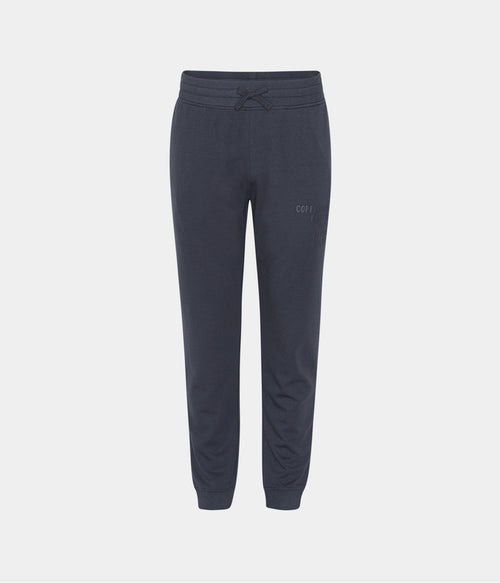
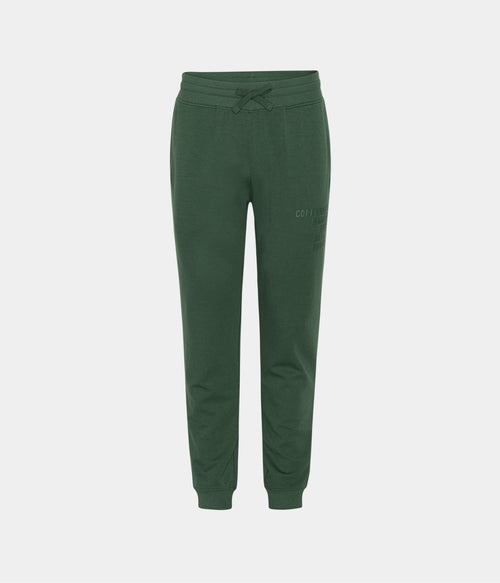
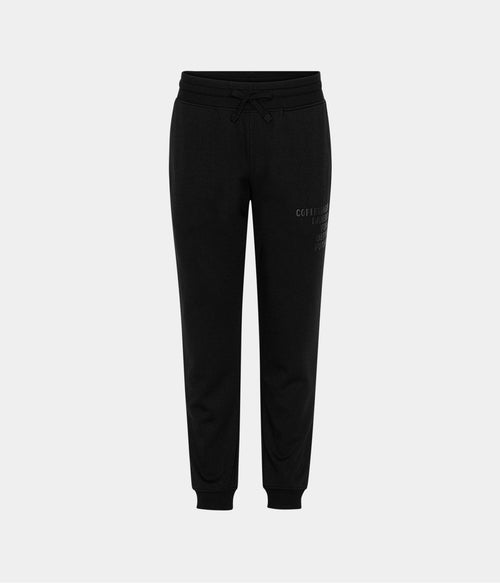
A thread that is slightly too dark reads as a shadow in the fabric, while one that is slightly too light stands out. The eye sees dark lines as a natural part of the texture. That is why it is safer to go a shade down than a shade up. This applies to any repair on bamboo sweatpants for men, which are often grey or dark.
Pull a thread from a seam
Many garments have spare thread in an inside seam or seam allowance, and it is exactly the right colour. Carefully pull out a thread somewhere it will not show and use it for the repair. This works best for small jobs, since the thread is short. Look inside a long sleeve bamboo T-shirt, where seams are often wide.
Look at the sheen of the thread
Some threads shine and others are matt. A glossy thread can look lighter than its colour because it reflects light. On matt fabric a glossy thread shows clearly, even when the colour is right. Choose a matt thread for matt fabrics. Hold the thread at an angle to the light and see whether it gleams before you buy it.
Thread looks darker on the reel
Thread lies tightly on the reel, so it looks darker than a single strand. Pull out a loose end and lay it over the fabric before you decide. The single strand is what will be seen. Many people get this wrong and end up with a thread that is half a shade too light in the finished seam.
Washing changes the colour over time
Fabric fades a little with every wash, while new thread has its full colour. A thread that matches a new garment can therefore be too dark for one that has been worn for a few years. Always compare with the part of the garment where the repair will sit, not with a label or a hidden area.
Patterned and marl fabrics
On marl fabrics, where two colours are blended, a thread in the darker of the two disappears best. On striped fabric you could switch thread when crossing a stripe, but for small repairs that is rarely needed. Choose the colour that covers most of the area around the damage, and the repair will blend in.
Keep four colours ready
Black, white, grey and navy cover almost everything in an ordinary wardrobe. With those four you can get close enough on most garments, especially when you go a shade darker. If you own many pieces in one special colour, a fifth reel can be a good idea. Keep them with the needles so they are at hand.
Frequently asked questions
How many colours should you keep at home
Black, white, grey and navy cover almost everything. With them you can get close enough on most garments in an ordinary wardrobe.
Can you mix two threads
Yes, two fine threads in different shades give an in between colour. It helps when none of your reels quite match, especially on marl fabrics.
Does colour matter on the inside
No, you can use any colour there, as long as the thread does not show through to the right side. On thin knits it is still worth choosing a close colour.