Knitting and weaving, the difference in practice
Sep 12, 2026
Short answer: Knitted fabric is made of loops and is stretchy, while woven fabric is made of threads that cross each other and is firm. Almost all bamboo clothing in the range is knitted, because it needs to be soft and follow the body.
Knitting gives stretch
A knitted fabric is made of yarn laid in loops that interlock. The loops can pull together and stretch out, so the fabric follows your body when you move. That is why T-shirts, underwear and tops are almost always knitted. See the knitted basics in most popular for men.
Weaving gives shape
Woven fabric consists of two sets of threads crossing at right angles. The result is a fabric with almost no stretch that holds a firm shape. It is used for shirts, trousers and jackets where clean lines are wanted. For soft items that sit close to the body, weaving is less suitable, for example in a bamboo bra, where stretch is essential.
How to tell the difference
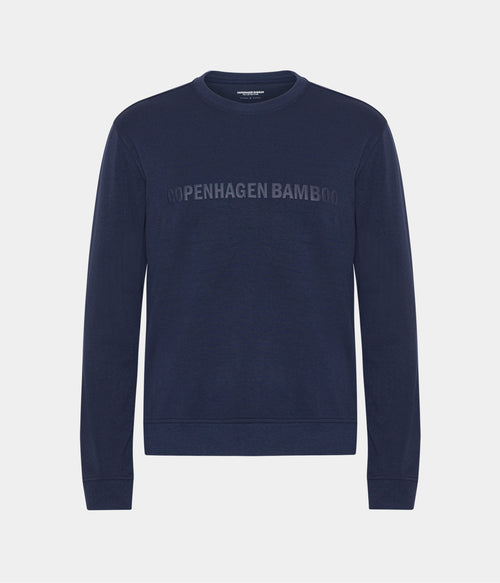
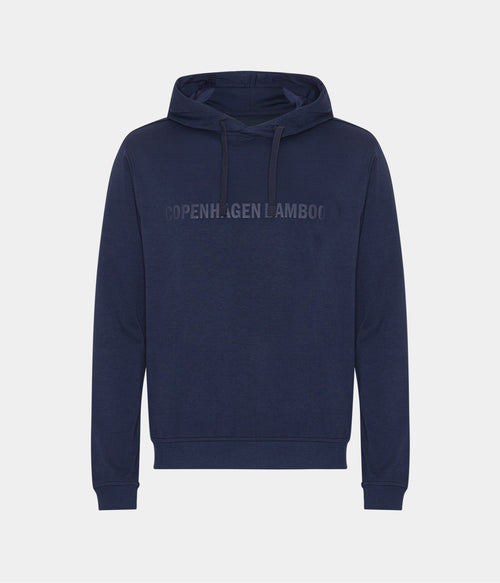
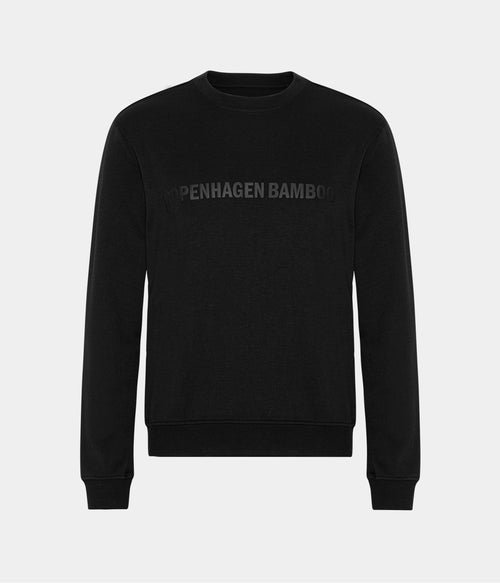
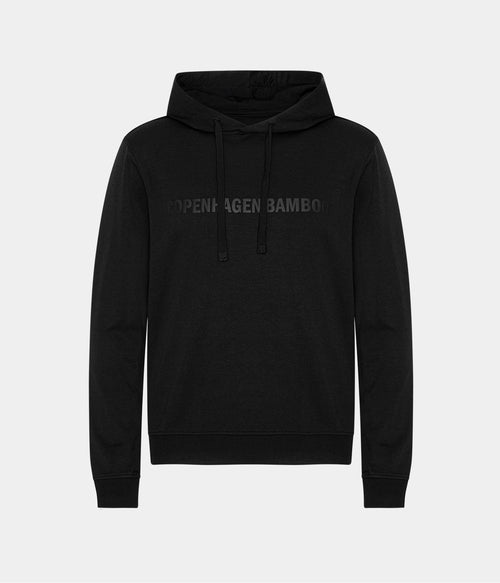
Gently pull the fabric across its width. If it gives and springs back, it is knitted. If not, it is woven. You can also look closely at the surface, where knit shows small V-shaped stitches and weaving shows a fine grid of threads. The edge gives it away too, because woven fabric frays and knit curls. See the knitted qualities in bamboo sweatwear.
Comfort in everyday life
Because knit gives, it feels more comfortable to sit, bend and reach in. The fabric moves with you instead of pulling. That makes knit a natural choice for clothes you wear all day and for sleepwear. Woven fabric can feel stiffer, but it holds its shape without sagging, which suits more formal clothing well.
Creases and folds
Knit usually creases less than woven fabric. When the loops are pressed, they give and recover, while a woven fabric more easily takes on sharp folds. That is why a knitted garment can often go straight from the drying rack and onto your body. A woven fabric often needs an iron before it looks neat again.
Fit and size
A knitted fabric gives you more room with sizing, because it can stretch a little. A woven shirt needs to fit more precisely, since the fabric does not give. If you are between two sizes in knit, you can often choose based on whether you prefer a close or a relaxed fit. With woven fabric, go by your measurements.
Washing knitwear
Knit does best with a gentle wash at 30 or 40 degrees. Hot washes and tumble drying can make the loops pull together, so the fabric shrinks. Lay heavy knits such as sweat flat to dry, so they are not stretched by their own weight. Lighter knits can hang on a hanger if it is wide enough for the shoulders.
Washing woven fabric
Woven fabric usually shrinks less in width but can crease more in the wash. Take it out of the machine straight away, shake it and hang it up to save on ironing. Many woven fabrics tolerate slightly higher temperatures than knit, but always check the care label. It is the safest guide for each garment.
Frequently asked questions
Does knit crease less than woven fabric
Yes, as a rule. The loops in knit give way when pressed instead of bending sharply like the threads in a woven fabric, and they recover their shape faster.
Why is sweat also knitted
Because it needs to follow your movements. Sweat fabric is simply a thicker knit with a soft or brushed back that keeps you warm and feels pleasant against the skin.
Can knitted fabric stretch permanently
Yes, especially without elastane and with heavy use. With elastane it springs back, and drying the garment flat also helps it keep its shape.