What fabric weight in grams means
Sep 12, 2026
Short answer: Fabric weight is measured in grams per square metre and tells you how much material is in the fabric. A thin T-shirt fabric is around 150 grams, while a sweat fabric is around 300 grams. The number says something about thickness and warmth, but not about quality.
The number describes the amount of fabric
Grams per square metre tells you how much a piece measuring one by one metre weighs. The higher the number, the more yarn is used, and the thicker and heavier the fabric feels. It says nothing about how good the yarn is or how neatly the fabric is knitted. A light fabric can be just as well made as a heavy one. See the qualities in bamboo tank tops for men.
Typical weights in the wardrobe
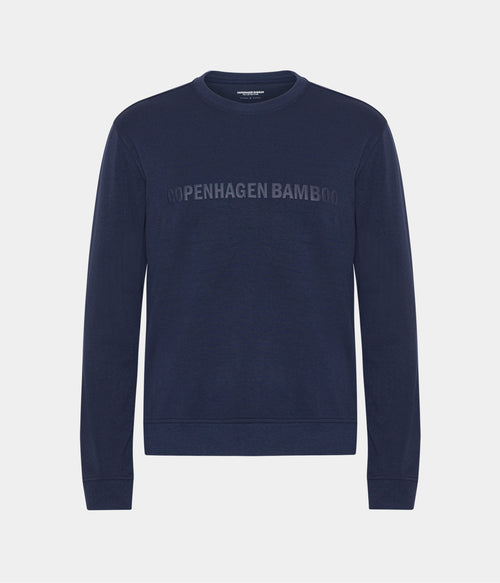
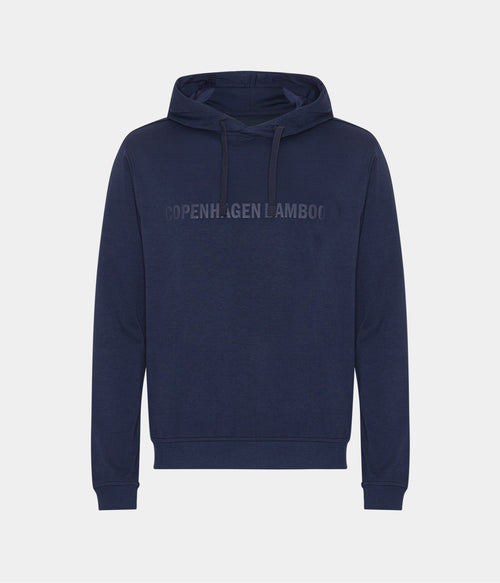
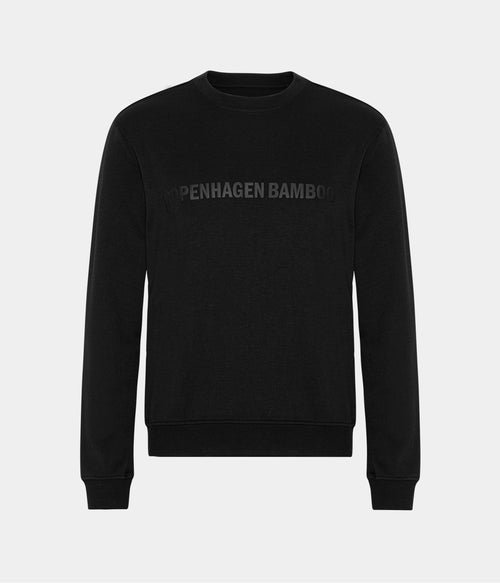
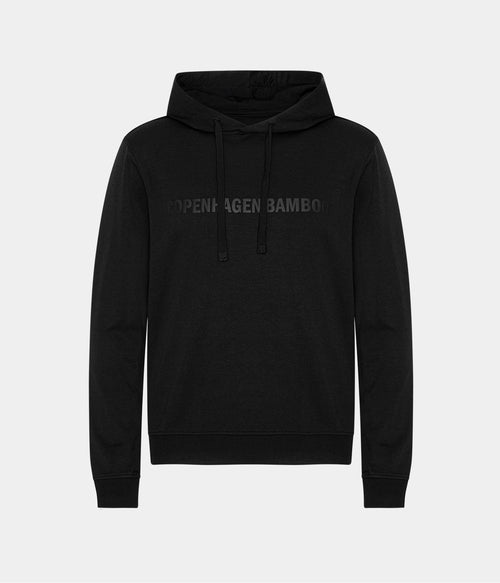
Underwear and thin tops are the lightest, because they should feel light and sit close to the skin without too much warmth. T-shirts sit in the middle, around 150 grams, light enough for summer and dense enough to wear on their own. Sweat is the heaviest, around 300 grams, because it is meant to keep you warm. See the heavy qualities in bamboo sweatshirts for men.
Weight and sheerness
A light fabric lets more light through than a heavy one, because fewer fibres cover the surface. You notice it most in pale colours such as white and light grey. If you want to avoid a sheer top or T-shirt, it is a good idea to go up a little in weight or choose a darker colour. See the styles in most popular for women.
Weight and warmth
A heavier fabric holds more air between the fibres, and air insulates. That is why a sweatshirt is warmer than a T-shirt in the same material. On the other hand, a light fabric breathes better and dries faster, which is pleasant in summer or during exercise. Think about when you will wear the garment before you choose the weight. Heavier is not always better.
Weight and drape
Weight also affects how the fabric falls on the body. A light fabric follows your shape closely and moves easily, while a heavier fabric hangs more calmly and hides a little more. That is one reason why two T-shirts in the same size can look different when worn. Feel the fabric between your fingers and you will quickly sense the difference.
Weight and wear
A heavy fabric has more fibres to wear down, so it often keeps its shape longer with frequent use. But a light fabric can also last for years if it is looked after properly. Gentle washing, low temperatures and air drying matter more for the life of a garment than weight alone. The number helps you choose, but it is no guarantee.
How to use the number
When you compare two items, fabric weight is a useful guide if it is listed. Only compare items of the same type, such as two T-shirts or two sweatshirts, because different garments have different needs. If no number is given, feel the fabric or hold it up to the light. You will quickly see whether it is light and airy or dense and heavy.
Washing and care by weight
Light fabrics dry quickly and do best on a gentle programme, because thin fibres are more exposed to wear. Heavy fabrics such as sweat hold more water and take longer to dry, so lay them flat. Wash both at 30 or 40 degrees and skip the tumble dryer. That way the fabric keeps its shape and surface for as long as possible.
Frequently asked questions
Is heavy fabric better
Not necessarily. A heavy fabric often keeps its shape longer, but it is also warmer and less airy. Choose the weight based on when and how you plan to wear the garment day to day.
Where do you find the fabric weight
In the product description, if it is listed. Otherwise you can feel the difference with your hand, or hold the fabric up to the light and see how much shines through.
Does the weight change after washing
The fabric may shrink slightly in the first wash and become a little denser, but the weight per square metre does not change much with normal washing.