Myth, thin fabric is always weak
Sep 12, 2026
Short answer: Strength lies in the yarn, not in the thickness. A thin fabric spun from long, tightly twisted yarn lasts longer than a thick fabric made of short fibres, so thickness alone says little about how long a garment lasts.
The yarn carries the strength
Long fibres twisted tightly together make a thread that withstands pulling, however thin it is. The fibres lie side by side over a long stretch and hold on to each other. Short fibres have fewer contact points and slip apart more easily under strain. That is why a light fabric can be surprisingly strong. See bamboo boxers.
Thickness is about warmth
A thick fabric insulates better because there is more air and material between the skin and the surroundings. But thickness says nothing about how many washes a fabric can handle. A thick fabric may be spun from short, loose fibres and wear thin sooner than expected. Think of thickness as a question of warmth, not strength.
Why short fibres cause pilling
When yarn is spun from short fibres, many fibre ends stick out of the surface. These ends are rubbed loose by wear and washing and gather into small bobbles. The bobbles show that the fabric is slowly losing material. A fabric made of long fibres has fewer loose ends, so the surface stays smooth for longer.
How to spot it
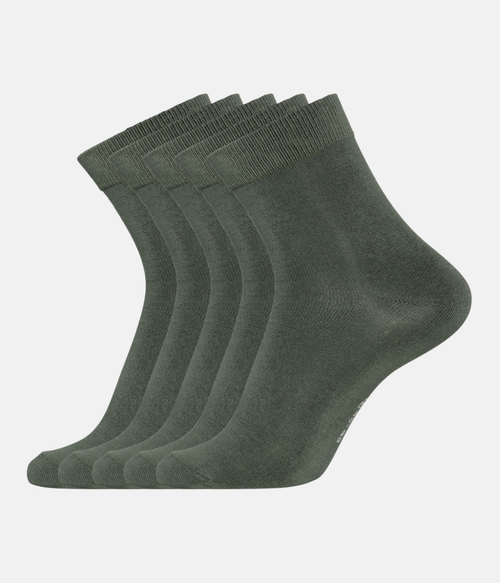
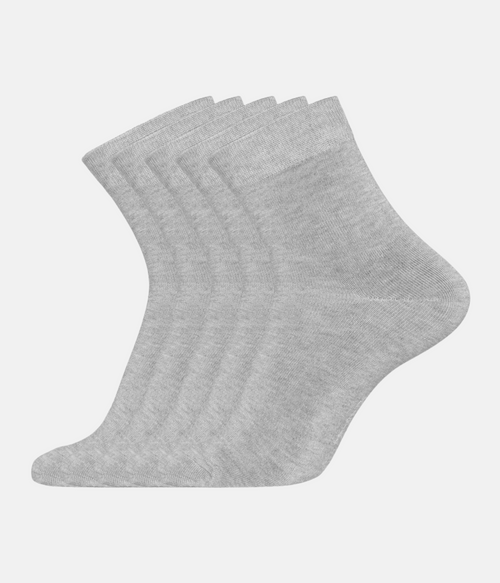
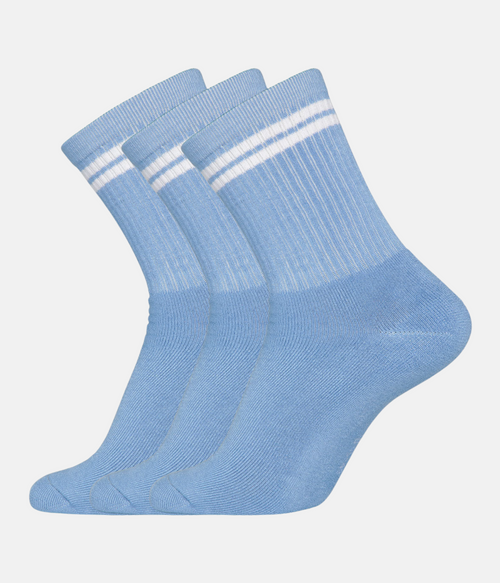
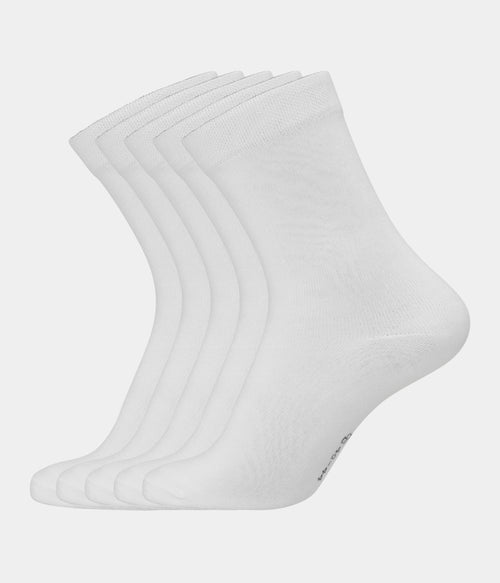
A thin fabric that looks even and smooth is usually spun from good yarn. Hold it up to the light and check that it looks even, without thin and thick patches. Run your hand across the surface. Unevenness and bobbles on a new garment point to short fibres. See socks for men.
Thin and light for everyday wear
A thin fabric has everyday advantages. It sits close without adding bulk, dries faster after washing and can be worn under other layers without feeling clumsy. For a T-shirt worn in many settings, a light fabric is often the most practical choice. See bamboo T-shirts for men, worn alone or under a shirt.
When thick fabric is the right call
There are times when thickness is exactly what you need. On cold days, outdoors or in a cool house, a thick fabric makes a real difference because it holds warmth. Here thickness matters in its own right. It is simply about warmth, not about how long the fabric will last.
Making a thin fabric last
A thin fabric lasts longest when it is treated gently. Wash at a moderate temperature, turn the garment inside out and avoid washing it with zips or hook and loop fasteners. Let it air dry instead of using a tumble dryer. The fibres then wear less, and the surface keeps its smooth look for years.
The conclusion
The myth that thin fabric is always weak does not hold. A thin fabric made of good yarn can handle as many washes as a thick one, often more. Look at the yarn quality, the surface and how the fabric feels, and use thickness to decide how warm the garment should be.
Frequently asked questions
Does thin fabric last less well
Not necessarily. Strength comes from the quality of the yarn, and a thin fabric of good yarn beats a thick fabric of poor yarn.
What should you look for
Whether the surface is even and smooth. Unevenness and bobbles suggest short fibres and therefore lower strength.
When is thick fabric preferable
When you need warmth. For insulation thickness matters in itself, but for strength it does not, so choose by weather and use.