Myth, you can tell quality from the price
Sep 12, 2026
Short answer: Price is made up of many things, and the material is only one of them. Two items at the same price can have very different lifespans, so price alone is only a rough guide to quality.
Price covers many costs
When you pay for a garment, you are not only paying for the fabric. Design, marketing, running a shop and shipping are in the price along with yarn and sewing. How large each part is varies a lot from brand to brand. That is why two items at the same price can differ greatly. See bamboo slips.
Why a high price is no guarantee
A high price can come from a well known name, an expensive shop in a prime location or large advertising budgets. None of these make the fabric stronger or the seams more durable. This does not mean expensive clothing is poor, only that the price does not tell you where the money went. Look at the item itself.
Three things say more than the price
Fibre content, fabric weight and seams tell you more than the number on the tag. The fibre content shows what the fabric is made of. The weight in grams gives a sense of how much material is in the fabric. The seams show how carefully the piece was sewn. See bamboo T-shirts for women.
How to read the material
The fibre content is on the care label and usually in the product description as well. Check which fibre makes up most of the fabric and whether elastane has been added for stretch. A fabric with a clear and simple blend is easier to judge. If you are unsure how a fibre behaves, read about it before you buy.
Seams reveal the workmanship
Seams are a good place to look, because they show how much care went into the sewing. Zoom in on the product photos and check that the seams are straight and even and that the stitches sit close together. Loose threads, crooked seams and uneven edges are signs that corners were cut.
Below a certain price there is a limit
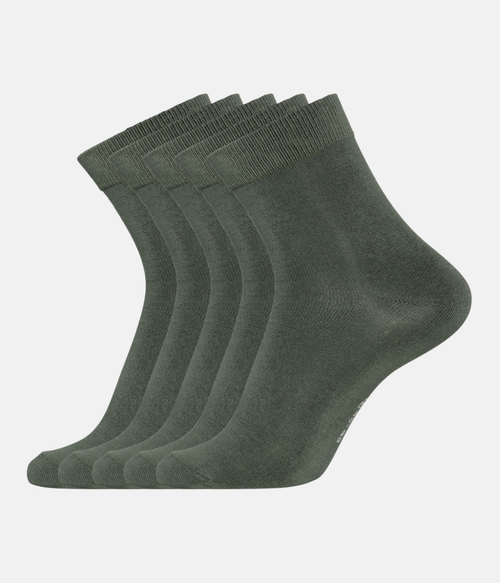
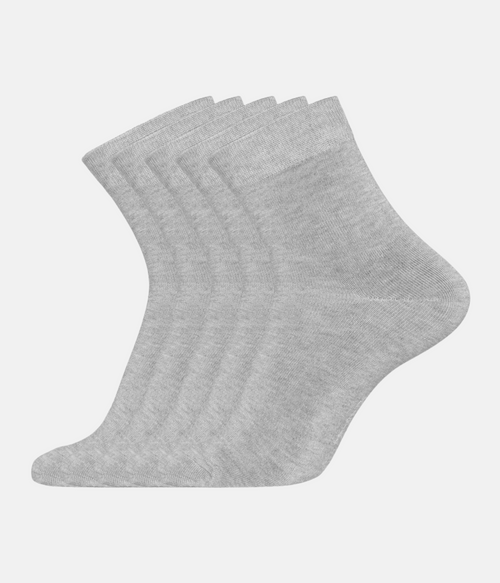
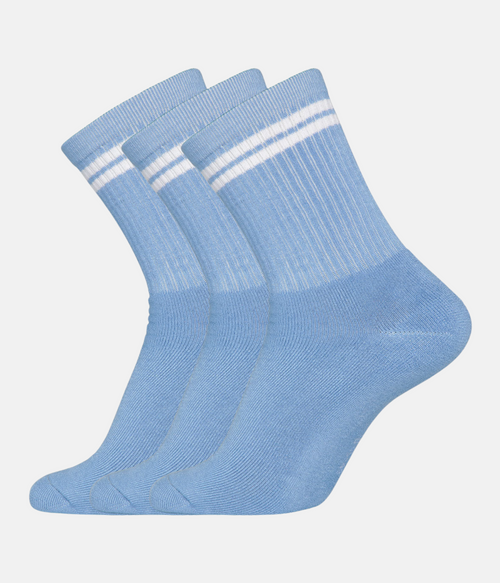
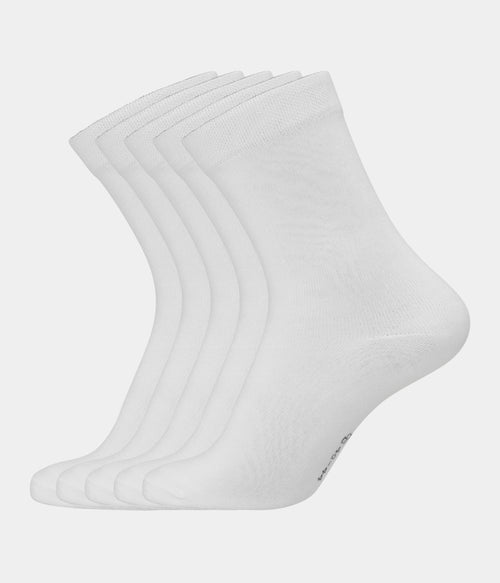
There is a level where yarn and sewing are cut back. When the price is very low, there is no room for good yarn, careful sewing and all the other costs. The difference rarely shows on day one, but after twenty washes. The fabric thins and loses its shape. See socks for women, which are washed often.
Think in price per wear
A useful way to judge price is to think about how many times you will wear the piece. A top that keeps its shape through many washes can end up cheaper than one that needs replacing quickly. Consider how often you wear it and how long you expect it to last. That puts the price in perspective.
The conclusion
Price can give a rough hint, but it cannot stand alone. It covers many costs, and only some of them affect the fabric. Look at fibre content, fabric weight and seams instead, and keep in mind that below a certain price, yarn and sewing are often cut back.
Frequently asked questions
Can you judge quality by price
Only roughly. The price also covers marketing and running a shop, and those parts do not make the fabric stronger.
What says most about quality
The fibre content, the weight in grams and how the seams look when you zoom in on the product photos before buying.
Is there a lower limit
Yes. Below a certain level, yarn quality and sewing are cut back, and it usually shows after around twenty washes.