Weight and thickness compared
Sep 12, 2026
Short answer: An underwear fabric weighs around one hundred and fifty grams per square metre, a T-shirt fabric a little more, and a sweat fabric around three hundred. The figure tells you about thickness, not quality. It is a useful tool when choosing the right fabric for the job.
What the weight describes
Grams per square metre tell you how much material there is per area. A heavier fabric is thicker and usually more durable, because there is more material to wear down. A light fabric is thinner and more airy. Neither is better in itself. See the qualities in the most popular men's styles.
Weight is not quality
It is tempting to think a heavy fabric is always best. But a light fabric can be exactly right for underwear or a summer top, where you want air and freedom of movement. Quality is about how the fabric is made and whether it suits what you need it for. Weight is just one piece of information among several.
Typical weights in the range
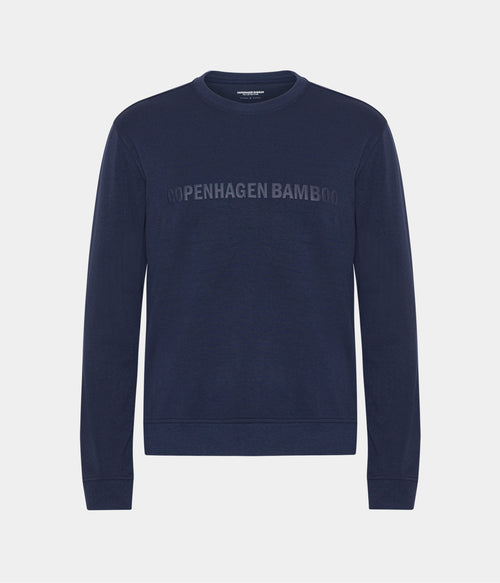
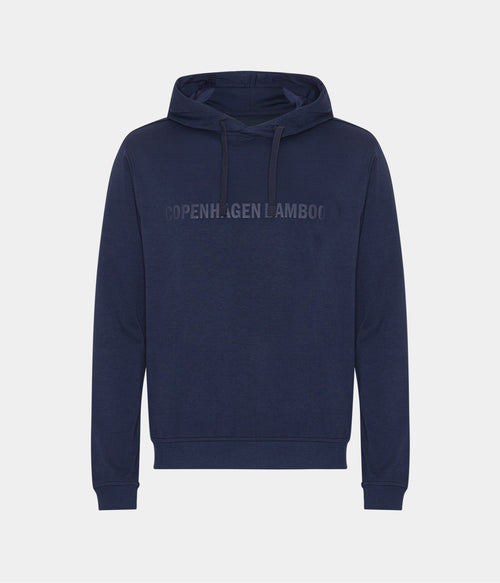
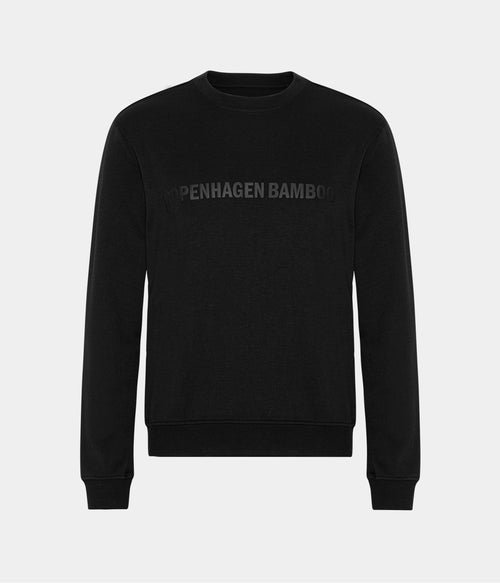
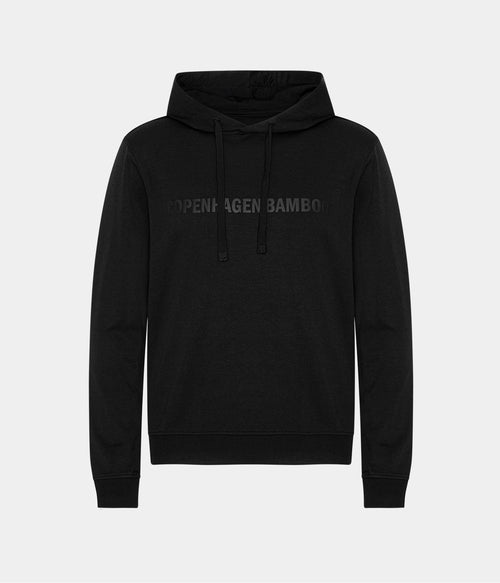
Underwear sits lowest, because it should be light, soft and close fitting without bulk. T-shirts sit in the middle, where the fabric can be worn on its own and still be comfortable. Sweat sits highest, because it should give warmth and body. See the heavier qualities in bamboo sweat for men and women.
Weight and warmth
A heavier fabric holds more warmth, because there is more material between you and the air. That is pleasant in winter and on cool evenings but can be too warm in summer. A light fabric lets heat escape more easily. So choose the weight by season and by how active you are during the day.
Weight and sheerness
A light fabric lets more light through, especially in pale colours. A white T-shirt in a thin fabric can therefore look slightly see-through. To avoid that, go up in weight or choose a darker colour. The heavier fabrics give more coverage, see bamboo sweat clothes.
Weight and drape
Weight also affects how the fabric drapes. A heavier fabric hangs straight and follows the body calmly. A lighter fabric moves more and can flutter a little as you walk. Either can be right, depending on the fit and look you want. Notice how the fabric behaves when you wear it.
When the weight is not stated
Many product descriptions do not give the fabric weight. Then your hand has to do the job. Hold the fabric up to the light and see how much shines through. Feel how thick it is between your fingers and how it falls when you hold it by one end. That gives a good picture, even without figures.
Choose by use
Think about what the fabric is for before looking at the weight. For close fitting underwear and warm days, a light fabric is usually most comfortable. For everyday tops that should keep their shape, and for cool days, a heavier fabric gives more. That way the weight becomes a tool rather than a goal.
Frequently asked questions
Is heavy fabric always better
No. It lasts longer but is warmer and less airy. Choose the weight by what the fabric is for and by the season.
Where do you find the weight
In the product description, if it is given. Otherwise you can feel the difference by hand and hold the fabric up to the light to see how dense it is.
What does a T-shirt typically weigh
A thin summer fabric sits low, a sturdy everyday fabric a good deal higher. The right choice depends on when and how you wear it.