What does a T-shirt cost per wear
Sep 12, 2026
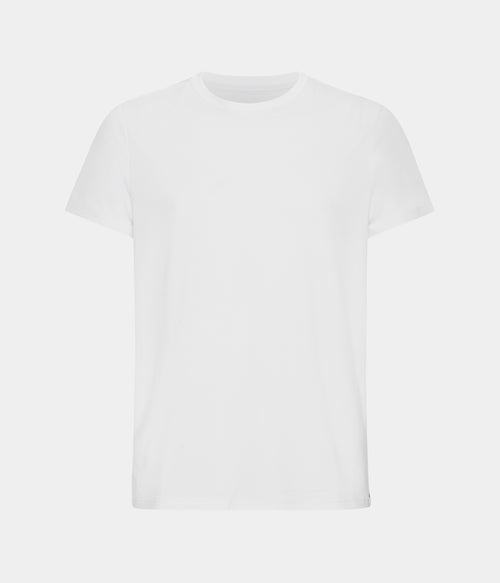
Short answer: The price per use is the price divided by the number of times you wear the T-shirt. A top that costs two hundred kroner and is worn a hundred times costs two kroner a wear, whatever it cost at the till. What you do not wear costs the most.
The sum is simple
Price divided by the number of wears gives the price per wear. That is the whole method, and it needs only a little mental arithmetic. It makes two T-shirts easy to compare when one costs more than the other. To try it on something else, take a bamboo slip and guess how often you would wear it.
Lifespan matters more than price
A dearer top that lasts three times as long is cheaper per wear. That is why the first price tag is rarely the right place to look. Ask instead how many washes the piece can take and whether the fabric keeps its shape. Browse the full range for women with that question in mind and compare by use, not price.
What you do not wear costs most
A top worn twice costs half its price per wear. If it lies untouched in the wardrobe, every krone is wasted, however cheap it was. Buy the pieces you actually put on. For a place to start, there are the most popular pieces for women.
Count the wears honestly
The number in the sum has to be real. Do not count the days you hope to wear a T-shirt, but the days you usually do. Look at the one you have had longest and estimate how often it has been worn. That gives an honest figure for the next time you choose between two pieces.
Washing affects the wears
Every wash takes a little from the fabric, so how you wash helps decide how many times a T-shirt can be worn. Follow the care label and avoid heat if the label advises against it. Each extra wear lowers the price per use. Gentle washing costs nothing and is the easiest way to improve the sum.
Fit decides whether it is worn
A T-shirt that does not fit right does not get worn, however good the price. Look at the shoulders, the length and the neckline before you buy. If it goes with what you already own, it comes out more often. Fit is part of the sum, because it decides how many times you end up wearing the piece.
Compare the same way every time
Use the same method whenever you consider a purchase. Write down the price, guess the number of wears and divide. You quickly see whether a cheap piece is really dear because it is worn only a few times, or whether a dearer one ends up cheap. Over time you learn your own numbers.
The price on the day is only the start
The figure you pay at the till is only the first half of the story. The second half is how long and how often the piece is worn. That is why two T-shirts with the same price can end with very different costs per wear. Think of the purchase as a cost you spread over every day you use it.
Frequently asked questions
How do you work out the price per use
Price divided by the number of times the piece is worn. A top costing two hundred kroner and worn a hundred times costs two kroner a wear, and the figure falls with every wear.
Is an expensive T-shirt cheaper in the long run
Only if it lasts longer. If it survives three times as many washes, it is cheaper per use even at double the price. If it does not, it is simply dearer.
What is the most expensive clothing to own
The clothing you do not wear. A top worn twice costs half its price per wear, and one that is never worn costs the full price for nothing.