When is clothing worn out
Sep 12, 2026
Short answer: Clothing is worn out when the elastic is slack, when the fabric is so thin that you can see light through it, or when there is a hole. All three signs are final, and none gets better with more washing or care.
Slack elastic cannot be fixed
A waistband that no longer holds does not come back. You notice it when the garment slips, rolls or has to be pulled up several times a day. Then the piece is finished as clothing. For underwear, see bamboo underwear for men when it is time to replace it.
Thin fabric does not last
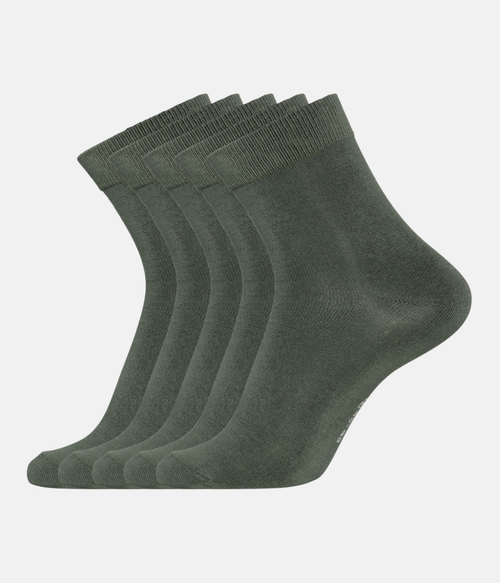
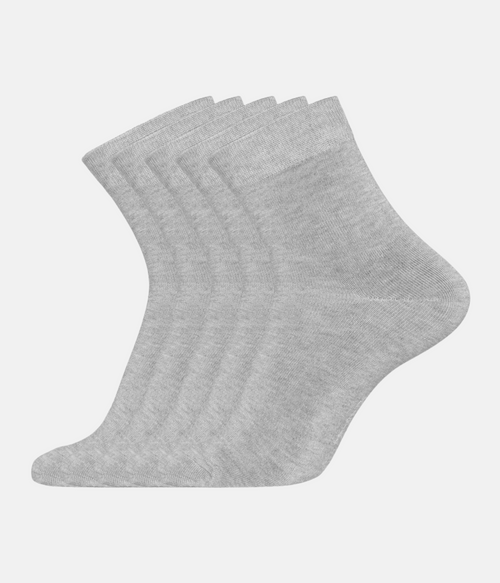
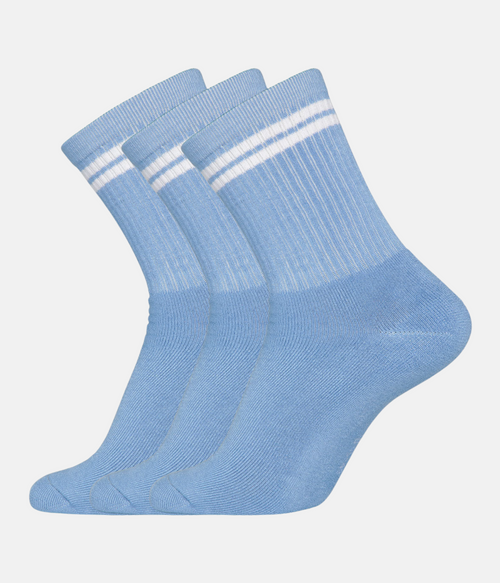
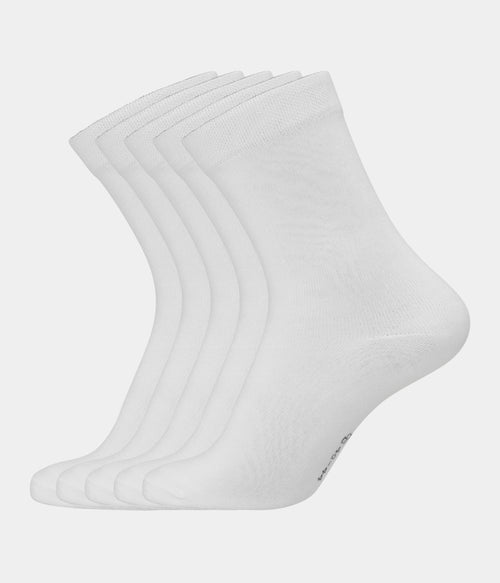
If you can see light through it, the hole comes soon. The fabric is worn so thin that the fibres give way at the next place that takes strain. That applies especially to heels and toes on socks for men and women, where the rubbing in the shoe is greatest. Check them before the hole appears.
Holes in knit grow
A knitted fabric runs, and the hole gets bigger with every wear. A small hole today is a large one in a week. If it has happened to your bamboo sweatpants for men, it is better to know at once than to find out when you need them.
Hold the fabric up to the light
The easiest test is quick. Hold the piece up to a window or a lamp and look for areas where light shines through. Thin spots show clearly, long before they become holes. Do the test on thighs, knees, heels and wherever the fabric rubs most, because that is where it wears first.
Three signs, three final answers
Slack elastic, thin fabric and a hole are not signs that the piece needs a break. They show that it is worn out. It helps to know this line, so you do not keep pulling at something that no longer works, or hope that it will put itself right.
Wear shows where the strain is
Clothing does not wear evenly. Waistband, knees, seat, heel and toe carry the most load, and the signs show there first. Look at those places when you sort the drawer. Washing or airing does not fix them once the fabric is thin or the elastic is slack.
Give worn clothing a second life
Clean textiles without elastic work well as cloths for dusting or cleaning. Cut the fabric into suitable pieces and use it until it is truly finished. The rest can be handed in at a textile collection. Remove any elastic and zips first, if there are any, and the cloth is easier to use.
Replace in good time
It is better to replace a worn piece before it fails than to walk around in clothes that do not fit or cover as they should. Knowing the three signs lets you plan the next purchase calmly. Then replacing is not a stopgap, but something you choose yourself in good time.
Frequently asked questions
When is a garment worn out
When the elastic is slack, the fabric is worn thin, or there is a hole. None of these three things gets better again, however much you wash or look after the piece.
How do you check whether the fabric is thin
Hold it up to the light. If you can see light through the fabric in an area, it is so thin that a hole will come soon, so do not wait too long.
Can a worn piece still be used
Yes. Clean textiles without elastic work well as cloths, and the rest can be handed in at a textile collection. Remove any elastic and zips first, if there are any.