What elasticity is in a yarn
Sep 20, 2026
Short answer: Elasticity is a thread's ability to be stretched and then return to its original length. It comes either from the shape of the thread or from an elastic fibre spun into it. You can feel the difference clearly in the clothes you wear every day.
Stretch and elasticity are not the same
Many people use the two words for the same thing, but they describe different properties. Stretch is how far a thread can be pulled. Elasticity is how well it comes back afterwards. A thread can stretch a lot and still recover poorly. It is the second property that decides whether a garment keeps its shape through a long day.
Shape can give stretch
A crimped or twisted thread can be straightened and then pull back together without any elastic fibre. The crimps act like tiny springs that give when you move. That is the kind of stretch you find in plain knit such as bamboo t-shirts for women. The fabric feels soft and gives, but it does not spring back as firmly as a garment with elastane.
The loops add extra movement
In a knit, the thread lies in loops that hook into each other. When you pull the fabric, the loops change shape, getting longer in one direction and narrower in the other. That is why a knitted top gives even though the thread itself barely stretches. When you let go, the loops look for their original shape, especially after a wash.
Elastane gives real recovery
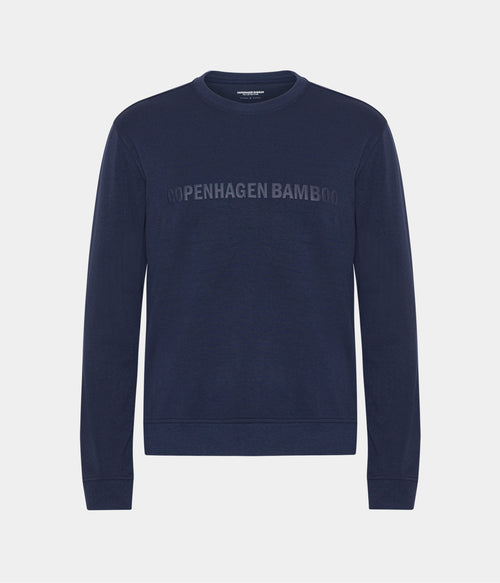
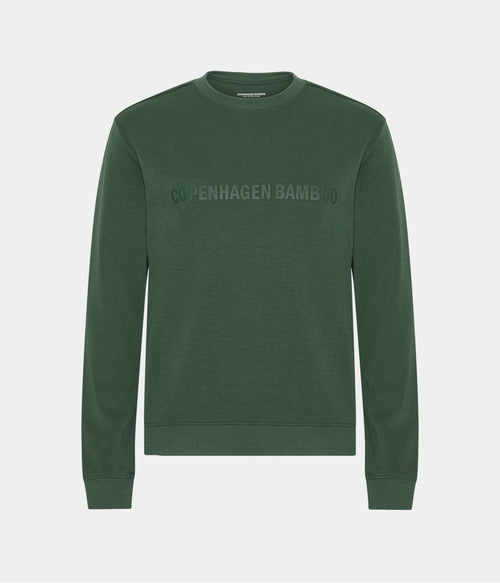
An elastane thread can be stretched several times its own length and then pull fully back. It is usually spun together with other fibres so the fabric stays soft and still has spring. That property is what lets bamboo sweat for men and women keep its shape after a whole day on the sofa, at the office or out walking.
Where elastane matters most
Elastane is most useful where clothes should sit close and follow the body. That means waistbands, cuffs, necklines and underwear. Here the fabric has to give when you sit or bend, then settle neatly back. In loose tops it matters less, because the fabric is rarely stretched all the way out during a normal day.
The limit of what can recover
Every thread has a limit. Stretch it past that point and the structure breaks, leaving it permanently longer. This does not happen all at once but little by little, each time the thread is pushed too far. That is how a waistband on bamboo panties slowly gets tired and no longer sits as snugly as it did in the first months.
How to look after elasticity
There is a lot you can do to keep the spring. Choose a size that is not stretched to its limit when you wear it. Wash at a low temperature and let clothes dry on a line or flat instead of in the tumble dryer. Also avoid hanging elastic items while wet, so their own weight does not pull them down.
What to check when you buy
Read the fibre content on the care label. If it lists elastane, you can expect more recovery than from plain knit. Give the fabric a gentle pull and watch how quickly it settles back. If it goes straight back into place, the elasticity is good. If a bulge remains, the fabric will hold its shape less well once worn.
Frequently asked questions
How far can elastane stretch
Elastane can stretch four to seven times its own length without being damaged, as long as it is not exposed to high heat.
What is the difference between stretch and elasticity
Stretch is how far something can be pulled, while elasticity is how well it returns to its original length afterwards.
Can elasticity come back
Partly after rest and a wash, but a broken elastane molecule never becomes quite whole again, so the damage is lasting.
You can find the full range at Copenhagen Bamboo.