What heat does to elastane
Sep 20, 2026
Short answer: Elastane softens at around one hundred and twenty degrees and then loses part of its ability to pull back together. The damage cannot be undone afterwards. Low heat in washing, drying and ironing is therefore the most important thing you can do for clothes with elastic.
Elastane tolerates less heat than you think
Most people think heat only harms clothes in extreme cases. For elastane, though, the limit is lower than for most other fibres. The fibre is built to stretch and pull back, and that is exactly the property heat attacks. The rest of the fabric can look perfectly fine while the elastic has already been weakened.
The molecules become mobile
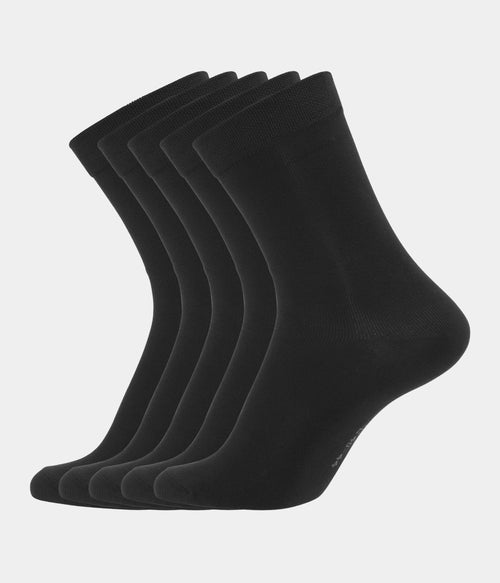
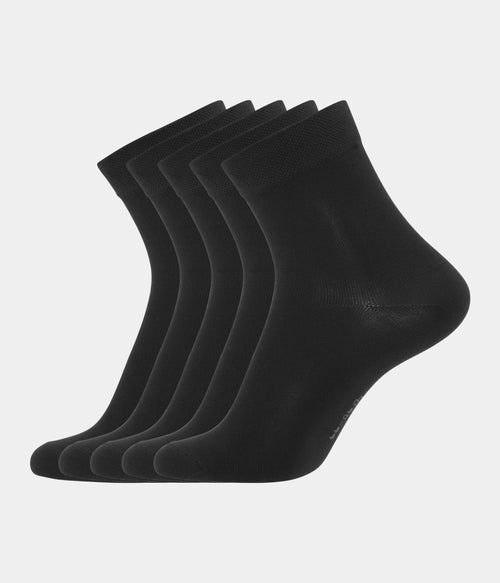
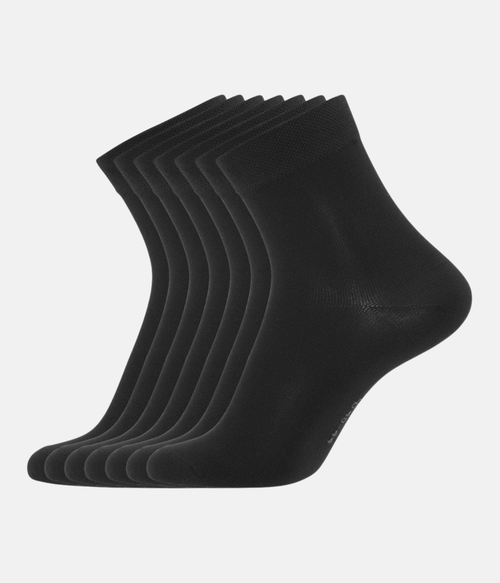
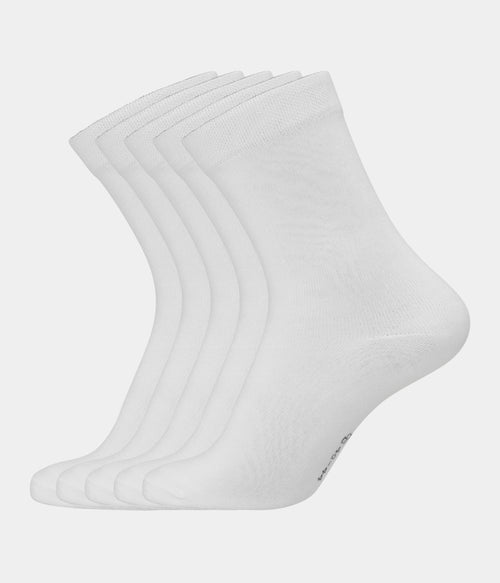
At high temperatures the bonds that hold the chains in place loosen, and the chains slide past each other. When the fabric cools, they sit in a new position and cannot find their way back. The fibre is then permanently longer. That also applies to bamboo sweat for men and women, where cuffs and waistbands lose their grip.
The tumble dryer is the biggest risk
The air in a tumble dryer can reach eighty degrees, and the fabric itself gets hotter than you think because it tumbles in that warm air for a long time. The elastic parts are hit first. Waistbands on bamboo underwear for women are especially exposed, since they are narrow and hold a lot of elastic in little space.
The iron is the second
Even the lowest setting on an iron is above one hundred degrees, and the soleplate presses heat straight into the fibre. Never iron directly on elastic, not even on the ribbing of bamboo socks for men and women. If something needs smoothing, use steam at a distance or hang it up while still damp from the wash.
Hot wash water wears it too
A washing machine does not reach the same temperatures as a dryer or iron, but repeated washes at high settings still wear the elastane. Each hot wash breaks a few more bonds. For everyday clothes, thirty to forty degrees is enough to get them clean. Save high temperatures for towels and bedding without elastic.
Sun and radiators can harm it as well
Machines are not the only source of heat. Clothes drying for hours on a warm radiator or in strong sun can also end up with weakened elastic. Hang them on a rack in the shade or in an airy room instead. It takes a little longer, but the elastic keeps its grip and colours hold up better.
Signs of heat damage
Heat damage is easy to spot once you know what to look for. The elastic turns wavy and no longer pulls the fabric together. Sometimes it also becomes stiff or slightly sticky to the touch. A single round of high heat can be felt, and after ten the difference is plain to anyone.
A simple care routine
The best protection is a fixed habit. Wash at thirty to forty degrees, turn clothes inside out if you like, and skip the dryer entirely for anything with elastic. Dry flat or on a line and use steam instead of an iron. With that routine the elastic lasts longest and your clothes fit as they should.
Frequently asked questions
What temperature is safe
Wash at thirty to forty degrees and avoid the tumble dryer and iron on the elastic parts of your clothes.
How quickly does the damage happen
A single round of high heat can be felt, and after ten the damage is clearly visible on waistbands and cuffs.
Can you see it from the outside
Yes, the elastic turns wavy and no longer pulls the fabric together, so the waistband sits loosely on the body.
You can find the full range at Copenhagen Bamboo.