What hard water does to fabric
Sep 20, 2026
Short answer: Hard water contains limescale, which bonds to fibres and soap. The result is a greyish film that makes fabric stiff and less soft. It builds up gradually over many washes, but it can be prevented and mostly removed again.
What hard water is
Water hardness describes how much calcium and magnesium are dissolved in it. Water picks up these minerals as it runs through the ground. Tap water looks perfectly clear, but the minerals are there. When heated and in contact with soap and fabric, they come out of solution and settle as a solid layer.
Limescale settles in the fibres
Calcium compounds settle on the surface of the fibre and fill the gaps between fibres. Soft fabric feels soft because the fibres move freely against each other. When limescale locks them in place, the fabric stiffens. That is why bamboo joggers for women can feel stiff after a year of washing in hard water.
Soap bonds with the limescale
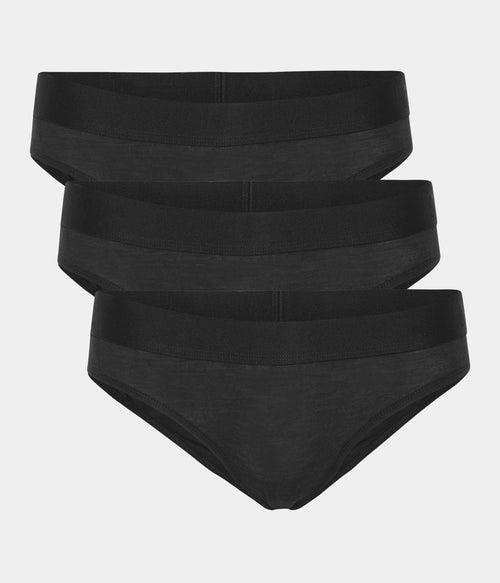
Detergent reacts with limescale and forms a poorly soluble film instead of rinsing out. Part of the detergent is used up binding limescale rather than cleaning. The film settles in the fabric and collects dirt. It affects everything, including bamboo underwear for women, which is washed often.
Signs that limescale is the problem
Clothes feel stiff or rough even when freshly washed. White looks greyish, and dark colours get a dull, dusty cast. Towels and thicker fabrics absorb less well. Limescale in the kettle and white marks on taps are a good hint that the water where you live is hard.
What you can do
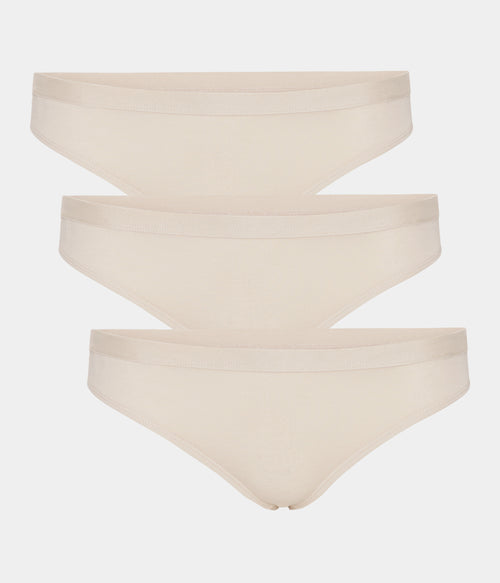
Use a little less detergent, add a descaler a couple of times a year, and run a wash with vinegar and no detergent. That helps all our most popular styles for women, which are worn and washed most. Less detergent means less film, and vinegar dissolves limescale already in the fabric.
Dose for your water hardness
Most detergents show a dose for soft, medium and hard water. Many people still use the same amount every time. Know your hardness level and dose to match. More detergent is not always better, since the surplus can bind to limescale and stay in the fabric instead of rinsing out.
Rinsing and drying
An extra rinse removes more of the residue that would otherwise stay in the fabric. Many machines have a button for it. Shake clothes out before hanging so the fibres lift. A tumble dryer on low heat can also give a softer feel, if the care label allows it.
Frequently asked questions
How do you know if your water is hard
Your water supplier publishes the hardness level, and limescale in the kettle is a sign. You can often find it on the supplier's website by entering your address.
Can you use descaler every time
No, a couple of times a year is enough. In daily use the key is dosing detergent correctly so less film forms in the first place.
Does the fabric become soft again
Yes, a wash with vinegar and an extra rinse removes most of the film. It may take a few rounds if limescale has built up over a long time.