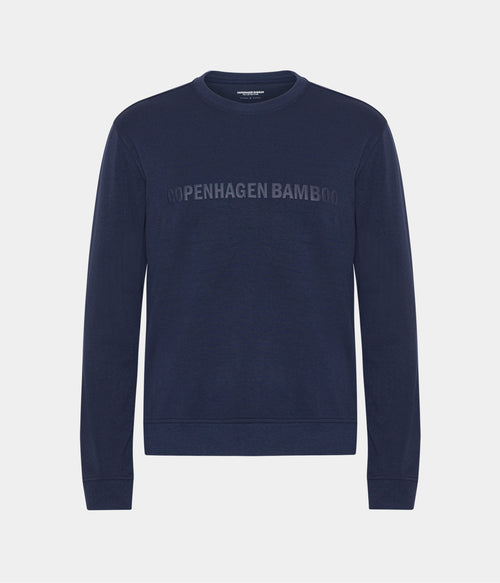
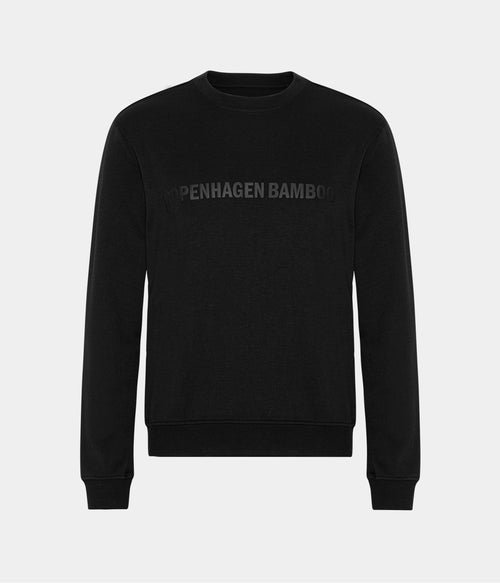
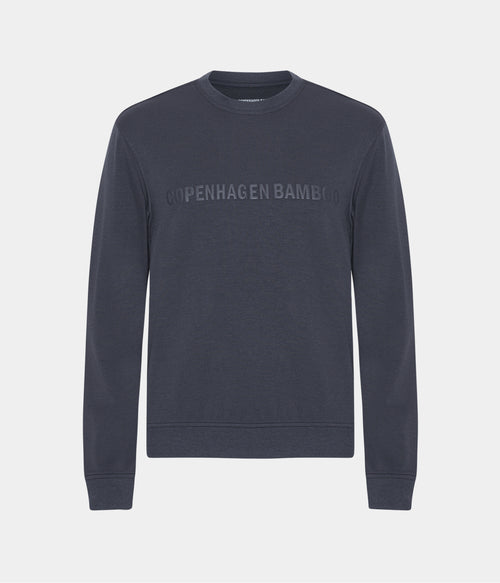
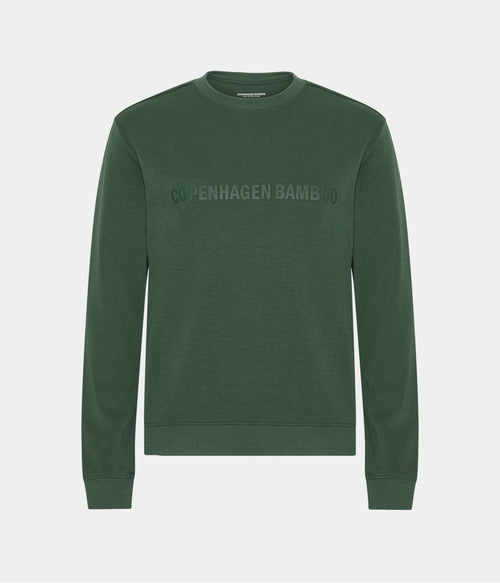
Why colours can vary between runs
Sep 20, 2026
Short answer: Dyeing takes place in large vats, and temperature, time and the amount of fabric vary slightly each time. That is why two identical garments can have a slightly different shade. The difference is normal and stays within the tolerances makers work with.
A dye bath is never quite the same
Water temperature, the amount of dye and how long the fabric sits in the vat change the result by a few percent. Even with the same recipe, small shifts can give a slightly different tone. That is enough to show on dark socks for women, where black can lean a little towards blue or brown.
The fabric reacts differently too
It is not only the dye bath that varies. Yarn from a new fabric roll can take up colour a little differently from the last, because fibres are never identical. Viscose takes colour well, but small differences in the yarn can give a slightly lighter or darker shade. That is part of working with textiles in bulk.
The difference shows side by side
Two shades that look alike from a distance can be clearly different when placed next to each other. The eye is good at spotting contrast but poor at remembering colour. The same goes for bamboo underwear for women, where two briefs in the same colour may look a bit different in the drawer but alike when worn.
Light affects what you see
Colours look different in daylight, under lamps and on a screen. A shade that seems cool in the kitchen can seem warm in the living room. If you want to compare two garments, do it in daylight by a window. That gives the truest picture and shows whether there really is a difference.
How to avoid the problem
Buy pieces meant to be worn together at the same time, so they come from the same run. That matters most for sets like a bamboo sweatshirt for women with matching trousers, where the shade should be the same. Buy them months apart and the risk of different dye baths grows.
Wear and washing change colour too
A garment washed many times fades a little. Hot washes, sunlight and strong detergents draw colour out of the fabric over time. So a new garment can look darker than an old one from the same run. Wash cold, turn the garment inside out and dry it in the shade to keep its colour.
Dark and light colours behave differently
Dark colours such as black and navy show differences most clearly, because the eye easily picks up small changes in tone. Light colours such as white and beige can vary too, but the difference is often harder to see. Mid tones like grey can drift towards warm or cool.
What to do if it bothers you
If you are unhappy with a difference between two garments, contact customer service and describe what you see. A photo in daylight makes it easier to judge. In most cases the difference is within normal tolerances, but it is always fine to ask if you are unsure.
Frequently asked questions
Is a colour difference a fault
No, small variations are within normal tolerances and are a natural result of each dye bath being slightly different.
How large can the difference be
Makers work with a set tolerance that is hard to see from a distance, but can be noticed when two garments lie side by side.
Can you ask for the same run
Rarely in an online shop, but buying at the same time gives a good chance, since the items are usually picked from the same warehouse shelf.