Why dense fabrics hold warmth
Sep 12, 2026
Short answer: A dense fabric lets less air through. The warm air between skin and fabric stays put instead of being replaced by cold air from outside, which is why a dense fabric feels warmer than an open one of the same weight.
The wind does not get through
The denser the knit, the less cold air gets in from outside. In an open fabric a light breeze can pass straight through the stitches and take the warmth from your skin in seconds. In a dense fabric the wind meets a surface it cannot easily cross. You notice it most on a windy day.
The warm air stays in place
Your body constantly warms a thin layer of air right next to the skin. That layer is your own small heat source, and as long as it stays still, it holds on to the warmth. A dense fabric keeps the layer in place so it is not constantly swapped out. That is why you warm up quickly in bamboo sweat clothes, even when it is cool around you.
Density is not the same as thickness
A fabric can be thick and still open, and a thin fabric can be quite dense. What matters is how closely the threads and stitches sit. A thin, dense knit can therefore keep you surprisingly warm, while a thick, loose knit lets the wind through. Hold the fabric up to the light: the less light comes through, the denser it is.
The downside is moisture
A very dense fabric also lets less moisture out, so you can end up feeling clammy in it. When you move, your body produces moisture, and if it cannot escape, it collects on the inside of the fabric. The clothes then feel damp, and once you stop, you get cold. A dense fabric works best when you are not sweating much.
Dense outside, open inside
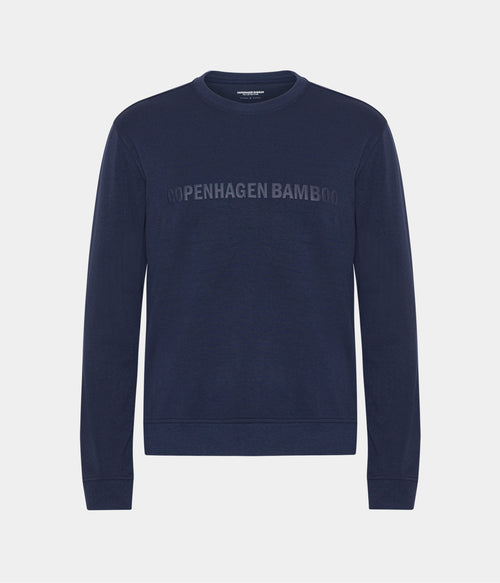
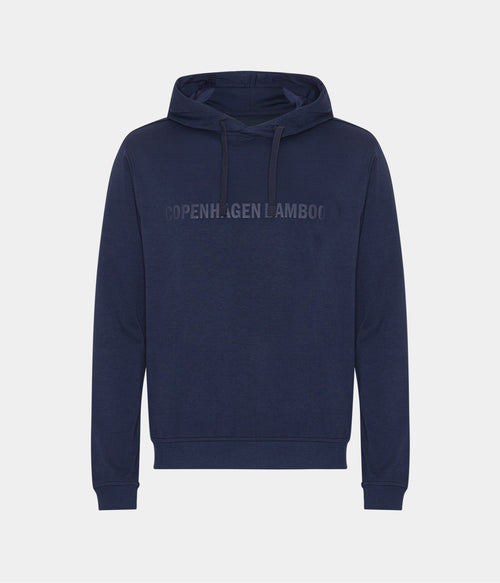
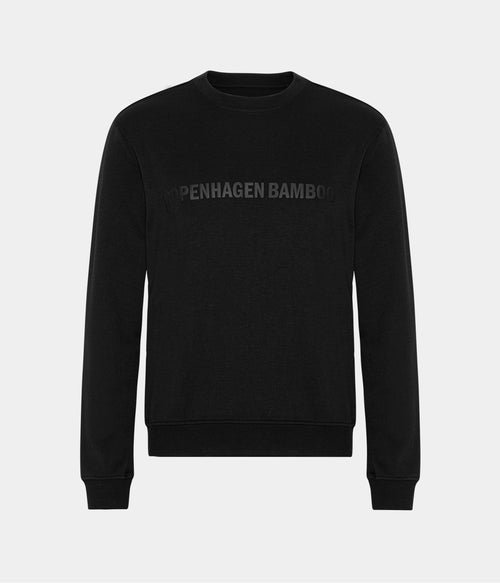
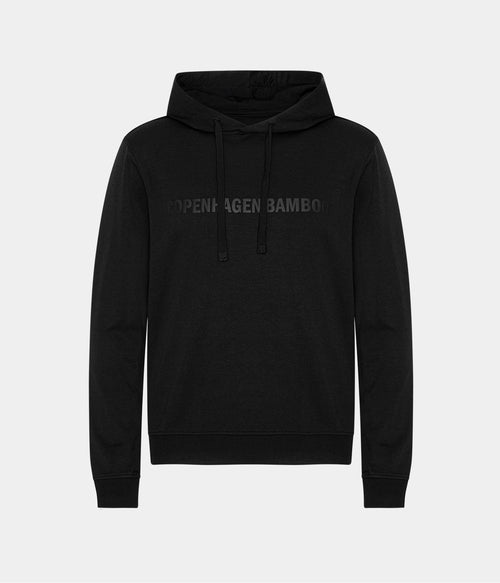
The answer is to let the layers share the work. On the inside you want a layer that lets moisture escape from the skin. On the outside you want a dense layer that holds the warmth and slows the wind. The open inner layer can be a thin T-shirt, while a dense sweatshirt on top takes care of the warmth. See bamboo sweat for men and women.
Long sleeves as a middle layer
Between the thin inner layer and the dense outer layer, a long sleeve top fits well. It covers the arms, which are often the first to feel cold, and adds an extra layer of still air without making the outfit heavy. Choose a style that fits closely enough to sit neatly under a sweatshirt. See long sleeve styles.
Everyday tips for cold days
Put your layers on in the right order: open inside, dense outside. If you are going for a walk, wear the dense layer but open it up if you start to get warm. If you are sitting still, keep the dense layer on the whole time. And remember that a loose jumper lets more air circulate than one that fits close to the body.
Care that keeps the density
A fabric keeps its density best when it is washed gently. High heat and the tumble dryer can change the knit so the fabric loses its shape. Wash at a low temperature, turn the garment inside out and let it dry flat or on a hanger. That way sweatshirts and long sleeve tops keep their fit and their ability to hold the warmth.
Frequently asked questions
Why is a dense fabric warmer
Because it holds on to the warm air between skin and fabric and stops cold air getting in from outside, so your body does not constantly have to warm new air.
Is dense always better in winter
On the outside, yes. On the inside, no, because there you need a layer that lets moisture escape from the skin so you do not end up clammy and cold.
What is the ideal combination
An open inner layer that moves moisture, and a dense outer layer that holds the warmth and slows the wind. A middle layer adds extra warmth on the coldest days.