Why new fabric should be washed before wearing
Sep 20, 2026
Short answer: New fabric carries production residue and loose dye on its surface. A single wash removes both, lets the stitches settle into place and makes the fabric softer from day one.
Residue from production
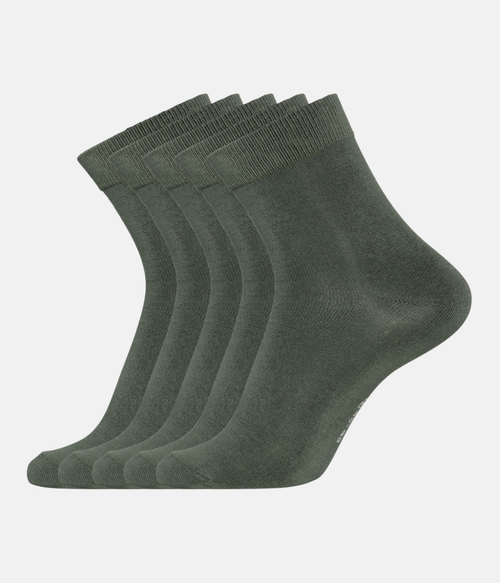
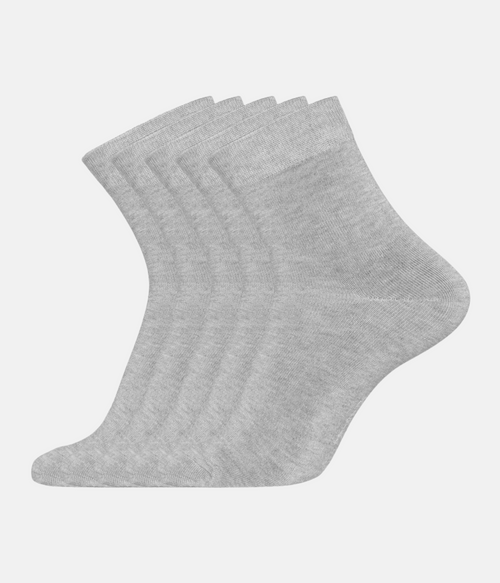
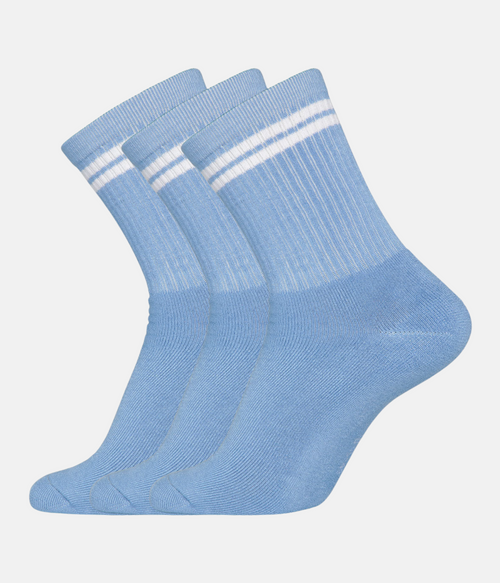
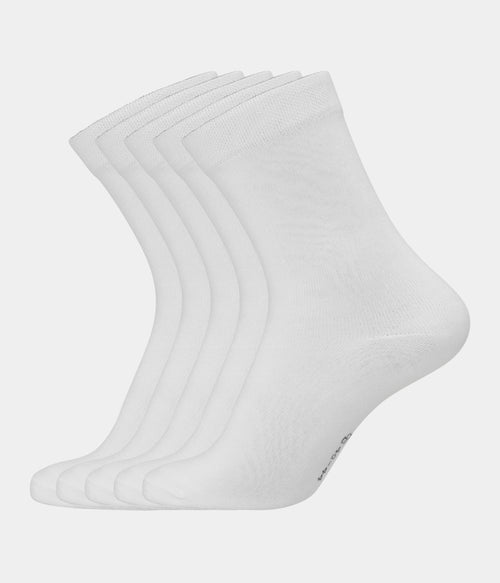
Finishing agents, transport dust and small leftovers from sewing sit in the fabric when the garment is packed. It has often passed through several stages before it reaches you, lying in bags and boxes along the way. A wash at thirty degrees removes most of it. The same goes for small items like socks for women.
Why you cannot see it
A new garment can look clean and smell neutral, but the residue sits in the knit itself, not only on the surface. It consists of fine particles and thin layers from the finishing, which you cannot see with the naked eye. You feel them as a slight stiffness instead. So appearance says little about whether a garment is ready to wear.
Loose dye has to come out
New dark garments release dye the first few times they are washed. If you wash them with light clothes, the colour can transfer and leave grey or bluish marks. It happens mostly in the first wash and fades after that. Wash new items alone or with similar colours, including a bamboo bra whose colour you want to keep clean.
The fabric settles
The first wash lets the stitches settle into their final shape, and the garment shrinks the small amount it is meant to. The knit has been stretched and pressed during production and packing, and in water it relaxes. After washing, the garment has its real size. The same applies to a bamboo jogging suit, which fits properly only after the first wash.
Which temperature to choose
Thirty degrees is enough for the first wash and is gentle on colour and fibres. A higher temperature does not remove residue better, but it can make dye bleed more and increase shrinkage. Use a mild dose of detergent and skip fabric softener. Always read the care label, because that is the garment's own instruction.
Drying after the first wash
Gently pull the garment into shape while it is damp and let it dry flat or on a hanger. A tumble dryer can cause extra shrinkage, especially the first time, when the knit has not fully settled. Once dry, the garment has the shape and size it will keep. That is also the best moment to judge the fit.
If you have sensitive skin
With sensitive skin, it is especially important to wash new clothes before wearing them. Production residue and loose dye can irritate the skin in some people. An extra rinse can help. If redness or itching does not go away after washing, talk to your doctor about what might be causing it.
A good habit to keep
Make it a habit to wash everything new before use, even items that look clean. It takes only one wash and gives a better start. The fabric feels softer, the colour does not transfer to the rest of your laundry, and you know exactly how the garment fits. This applies to everything from underwear to joggers.
Frequently asked questions
Should you wash all new clothes
Yes, even those that look and smell clean. Production residue sits in the knit and cannot be seen, but you feel it as stiffness until the garment has been washed.
What temperature for the first wash
Thirty degrees is enough and protects the colour. Use a mild dose of detergent, skip fabric softener and always follow the care label.
How much does a garment shrink the first time
Typically one to three percent, mostly in length. Pull it gently into shape while damp and let it dry flat or on a hanger.