What OEKO-TEX stands for
Sep 12, 2026
Short answer: OEKO-TEX is a test of whether harmful substances remain in the finished fabric. It tells you about the content, but not about how well the garment is sewn, how it fits or how long it lasts. The label therefore matters most on clothing that sits against the skin all day.
A test of the finished fabric
OEKO-TEX looks at the fabric as it is once it is finished. It is tested for a long list of substances, including residues from dyeing and finishing. If it passes, the label may be used. So it does not describe where the raw material comes from, but what is left in the fabric you end up wearing.
Content rather than craft
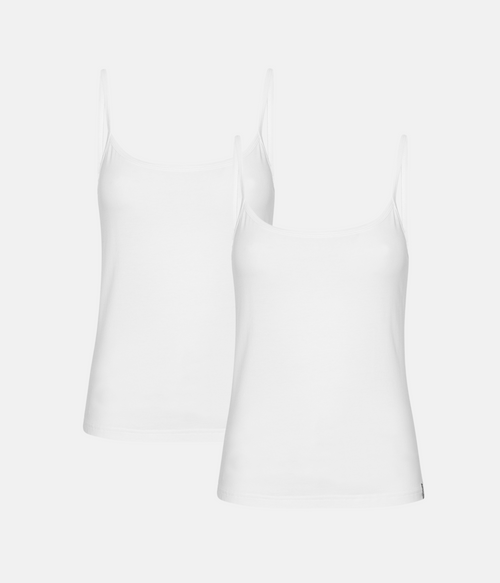
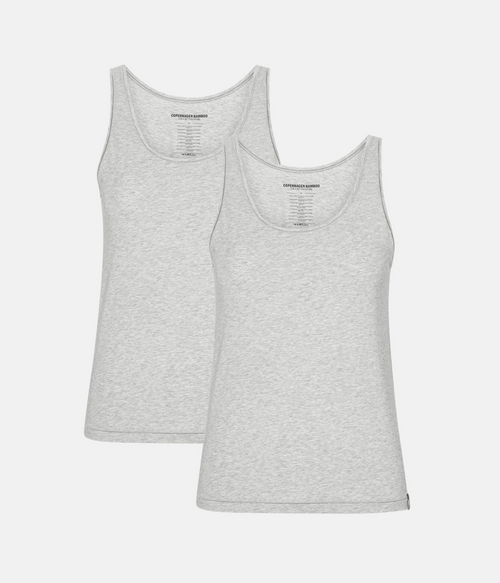
It helps to understand what the label actually answers. The question is whether the fabric contains residues you would not want close to your skin. That is a matter of chemistry, not of design or sewing. Two garments with the same label can differ a lot in quality. See our bamboo tops for women and judge cut and fabric yourself.
What the certificate does not cover
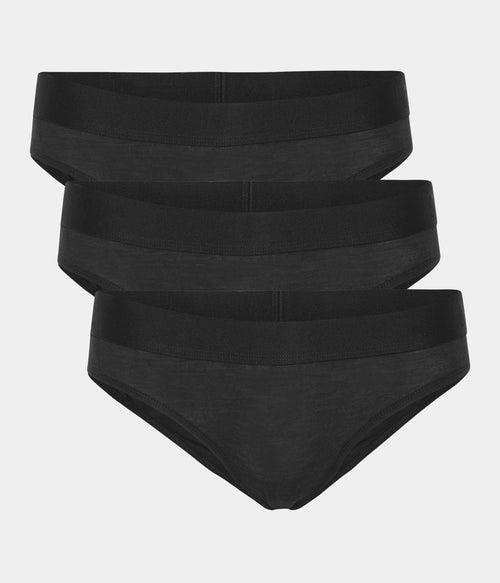
The certificate says nothing about fit, durability or how long the seams hold. Nor does it tell you whether the fabric pills, shrinks or loses its shape after many washes. You judge those things another way, by looking at the fabric, feeling it and reading the care label. See bamboo underwear for women to compare cuts.
Why it matters most close to the skin
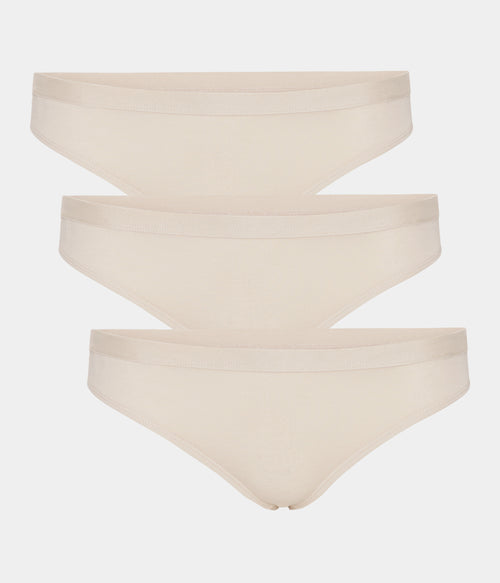
Underwear touches the skin all day, often at night too, which is why the content matters most there. A jacket worn for half an hour rarely sits directly on the skin. Knickers, tops and socks do so for many hours at a stretch, all year round. This is where the label is most worth checking, for example on bamboo panties.
Limits that go beyond the law
The limits in the test are stricter than the legal requirements. That does not mean clothing without the label is unsafe, only that a labelled fabric has been tested against a higher standard than the law sets. For many people it is a simple way to choose when they cannot find out what was used in dyeing and finishing.
Using the label when you shop
Check that the label belongs to the specific product you are looking at. A shop may carry some items with the label and others without. If you are unsure, ask which items it applies to. Then use the label as one of several criteria, alongside material, fit and care instructions, rather than the only thing you choose by.
What you need to judge yourself
The label says nothing about how a garment fits, so that is up to you. Look at the seams to see whether they lie flat and the stitches are even. Feel whether the fabric is firm and smooth or thin and loose. Check that the waistband gives without digging in. These are the things that decide whether a piece lasts.
Caring for clothes worn next to the skin
Wash new underwear before you wear it for the first time. Use a mild detergent in the amount given on the pack, and skip fabric softener, which settles in the fabric. Wash at the temperature on the care label and let the clothes air dry. That keeps the fabric looking good and leaves no needless detergent residue against your skin.
Frequently asked questions
What does OEKO-TEX test for
Chemical residues in the finished fabric, including those from dyeing and finishing. The limits are stricter than the legal requirements, and the test applies to the fabric as you receive it.
Does the label mean the clothing lasts long
No. The certificate is about substances, not sewing, fabric weight or how long a garment holds up in use. You judge that from the fabric and the seams.
Where does it matter most
On underwear and socks. They are in contact with the skin for many hours every day, all year round, so the content matters more there than on outerwear.