When a repair is worth it
Sep 20, 2026
Short answer: Repair when the damage is local and the rest of the garment is still sound. If the fabric has worn thin across a larger area, the garment is used up, no matter how well you sew. The simple question is whether the damage sits in one place or everywhere.
A hole is local, thin fabric is general
A hole from a table edge or a zip can be closed in ten minutes, because the fabric around it is still strong. Thin elbows or knees mean the whole fabric is going. Hold the garment up to the light and look for thin patches before you reach for a needle. Check the rest of the drawer the same way, including your bamboo socks.
Count in time, not only in money
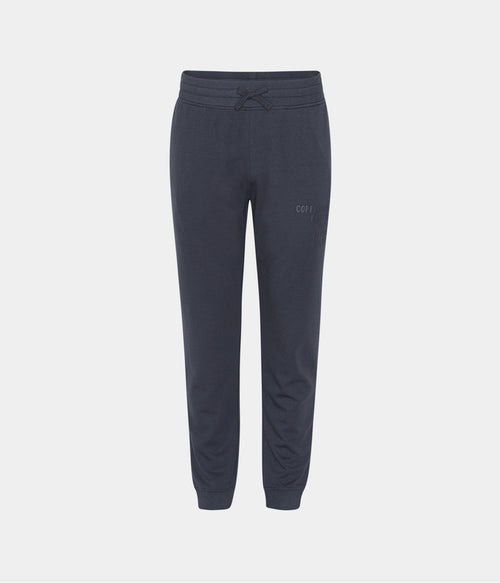
A twenty minute repair that gives another year of use is a good deal on a garment you paid a fair amount for. Think about how often you wear it and how much you like it. If you wear it every week, the time is well spent. The same goes for the bamboo sweatpants for men you wear at home.
Look at what is failing
If a seam has opened, a few stitches close it and the garment is as before. If the elastic or the fabric itself is failing, the job is harder and the result rarely lasts as long. So look at the cause, not only the hole. The same check applies to bamboo undershirts for men, where seams are often the first thing to give.
Deal with small damage early
A small hole grows with every wash, because the loops around it loosen. Close it while it is the size of a pea and it takes a few minutes. Wait until it is the size of a coin and you will need to darn or patch it. Put the garment aside as soon as you notice the damage and fix it at the weekend.
Think about where the damage sits
A repair on an inside seam or a waistband is almost invisible, and there it nearly always pays off. A visible patch in the middle of the chest can change how the garment looks and whether you still want to wear it. Ask yourself if you will put it on afterwards. If the answer is yes, the repair is worth doing.
What you can do yourself
Open seams, small holes and loose threads are within reach for most people with a needle and ordinary thread. You need no sewing machine and no special skill, only some patience and good light. Bigger jobs like new elastic in a waistband or a zip are possible but take longer. Start with the easy ones and learn as you go.
When a tailor makes sense
If the garment was expensive or means a lot to you, a tailor can often save more than you can. They have tools for elastic, zips and seams that need to take strain. But they cannot make thin fabric new again. Ask about the price first and compare it with what the garment is worth to you before handing it in.
A simple check before you start
Ask three questions. Is the damage in one place? Is the fabric around it still strong? Will you wear the garment afterwards? If the answer to all three is yes, the repair is a good idea. If there is a no, consider passing the garment on or using it as a cloth. This short check saves you repairs that would not last.
Frequently asked questions
When is it too late
When you can see through the fabric in several places, or it feels thin and slack over a larger area, the garment is used up and a repair will not last long.
What is easiest to repair
Seams and small holes are easiest, because the fabric around them is still strong. Elastic and thin fabric are harder and need more time or help from a tailor.
Can you repair something twice
Yes, you can. But if the same spot fails again soon after, it is a sign that the fabric is used up, and a third repair is rarely worth doing.