When you wake up having sweated
Sep 20, 2026
Short answer: Night sweats often come from too much heat, nightwear that is too thick, or a duvet that does not move moisture. Start by switching to thinner nightwear, then look at the room temperature and the bedding.
Nightwear is the easiest thing to change
A thin layer that moves moisture does more than a new duvet, and you can try it from one night to the next. The fabric takes sweat away from the skin and lets it evaporate. Try bamboo undershirts for men in a thin quality as nightwear for a week and see if it helps.
The room temperature matters a lot
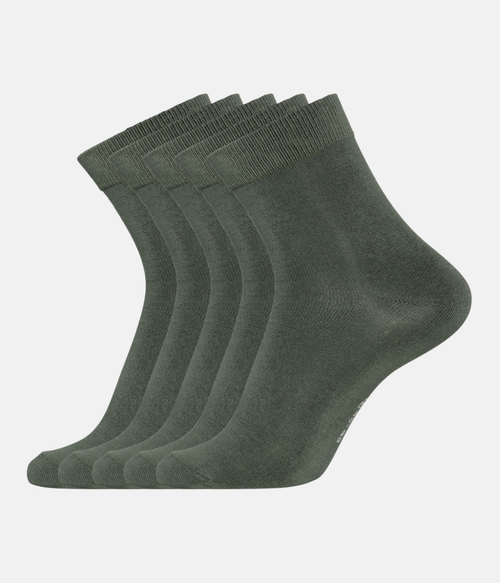
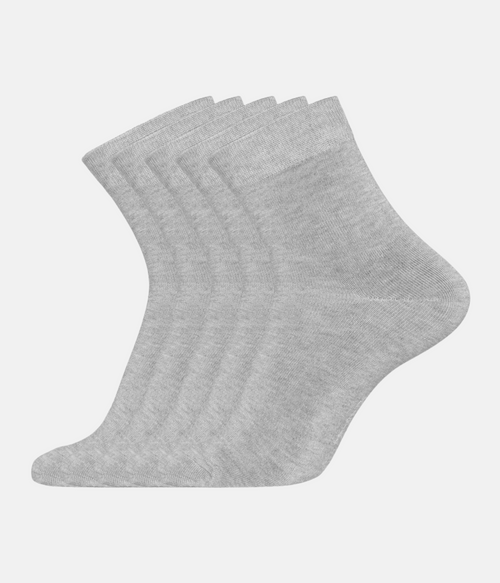
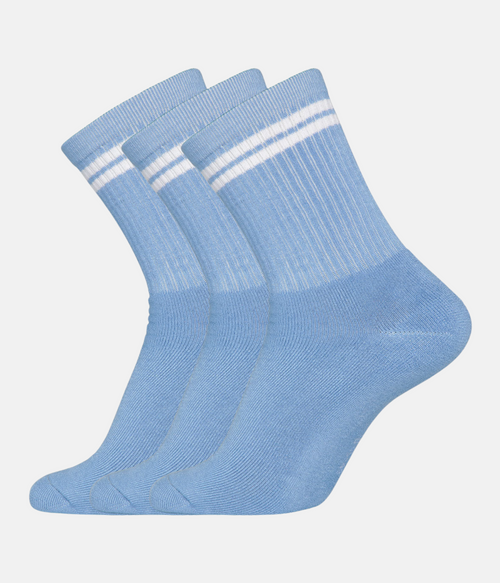
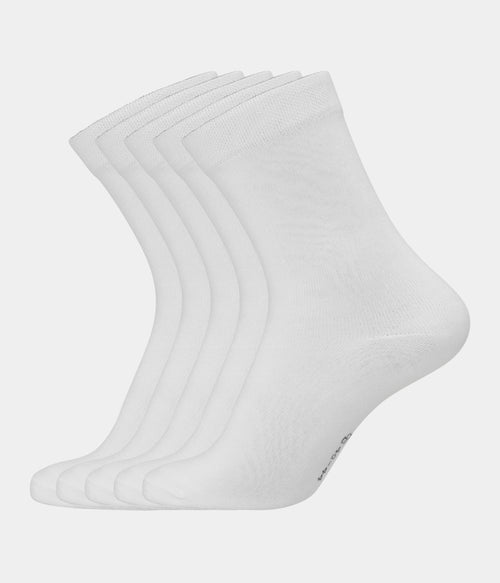
Above twenty degrees most people sweat under an ordinary duvet, even if they do not feel warm at bedtime. Turn it down to sixteen to nineteen degrees, and keep bamboo socks for men and women on if your feet get cold. Then the body keeps an even temperature without sweating to cool down.
Change if you are wet
If you get wet at night, change into something dry instead of lying there. Damp clothes cool you down, and you wake again because you are cold. Keep a set ready by the bed so you do not search in the dark. See most popular for men for soft styles that are easy to keep at hand.
The duvet may be too warm
A winter duvet all year round is a common cause of night sweats. The body warms the duvet, and the heat cannot escape. Try a thinner duvet in the milder months, or use two thin ones in winter so you can remove one if it gets too warm. A cover that breathes helps too.
Evening habits play a part
A big meal, alcohol or a hot bath just before bed can make the body produce more heat in the first hours of the night. Try eating a little earlier and letting the body cool before you lie down. Small changes to your evening routine can make a noticeable difference to how much you sweat.
The sheet should breathe too
Even the best nightwear cannot do it all if the sheet holds on to moisture. A sheet in a light fabric that absorbs moisture helps sweat disappear. Change the sheet more often in periods when you sweat a lot, so the bed does not keep feeling damp when you lie down.
Wash nightwear often
Sweat settles in the fabric and can cause odour and make clothes stiff. Wash nightwear after a couple of nights, at a low temperature and inside out. Avoid fabric softener, as it can leave a film that makes the fabric absorb moisture less well. Let it dry on a hanger so it is ready again.
Watch the pattern
If you only sweat on warm nights, the explanation is usually the room, the duvet or the nightwear. If you sweat heavily with no clear reason, or it starts suddenly, it is wise to have it checked. Clothing can help keep you dry, but it does not replace a talk with your doctor.
Frequently asked questions
What is the most common cause
A bedroom that is too warm or nightwear that is too thick, often combined with a duvet meant for a colder season.
Does it help to sleep without clothes
Rarely, because sweat then stays on the skin and in the bedding, while a thin layer can absorb the moisture and let it evaporate.
When should you seek advice
If the night sweats are heavy and come without an explanation, talk to a doctor, especially if they continue over several weeks.